



Raising your truck can improve its appearance, provide additional ground clearance, and create room for larger tires. However, the total cost involves more than purchasing the components. Installation, wheel alignment, replacement parts, and other adjustments can all affect your final budget. Understanding these expenses before starting your project can help you avoid unexpected costs.
The price of suspension lift kits for trucks depends on several factors, including lift height, component type, vehicle compatibility, and kit design. A basic spacer setup may require fewer components than a more extensive suspension system. Before choosing a product, consider the complete cost of the modification rather than focusing only on the kit’s purchase price.
1. Cost of the Lift Kit
The kit itself is usually the first major expense. Different designs have different prices because they include different components and require different levels of engineering.
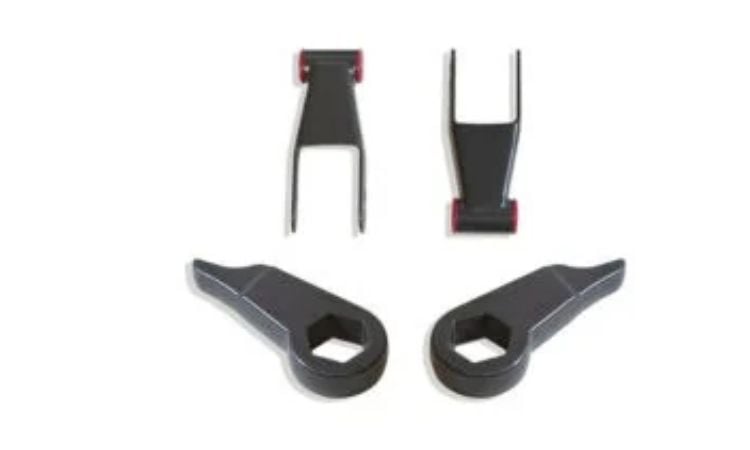
For example, lift spindles, coil spacers, strut spacers, and torsion keys are designed for specific suspension applications. Complete box kits may include several components, such as brackets, crossmembers, springs, and installation hardware.
The lift height can also influence the price. A system designed for a larger height increase may require additional components compared with a smaller lift. Always compare the included parts and product specifications before making a decision.
2. Professional Installation Costs
Installation is another important part of your budget. Some basic suspension modifications may involve fewer installation steps, while more extensive systems can require additional labor and specialized tools.
The final labor cost depends on the truck’s suspension design, the complexity of the kit, and the mechanic’s experience. Some installations may also require removing or replacing existing components.
Before scheduling the work, ask the installer for a complete estimate. Confirm whether the quoted price includes labor, hardware installation, and any additional adjustments.
3. Wheel Alignment
After changing the suspension height, a professional wheel alignment is an important expense to consider. Raising the vehicle can affect suspension geometry and wheel positioning.
An alignment helps ensure that the wheels are adjusted according to the vehicle’s specifications. Proper alignment can also help reduce uneven tire wear and maintain predictable handling.
Ask whether alignment is included in the installation estimate or charged separately.
4. Larger Tires and Wheels
Many truck owners choose a suspension modification because they want to install larger tires. However, new tires and wheels can add significantly to the overall project cost.
Before purchasing them, check the recommended tire and wheel sizes for your selected system. Factors such as wheel offset, tire width, and available clearance can affect fitment.
It is also worth considering whether the existing wheels can be reused. Choosing compatible tires and wheels from the beginning can help prevent additional expenses later.
5. Additional Parts and Adjustments
Depending on the vehicle and the type of modification, some installations may require additional components or adjustments. These could include replacement hardware, brackets, extended brake lines, or other vehicle-specific parts.
Not every truck requires these additions. The exact requirements depend on the kit design, lift height, and factory suspension configuration.
It is best to review the manufacturer’s installation instructions and ask a qualified installer to inspect your vehicle before finalizing the budget.
6. Maintenance and Long-Term Expenses
Your budget should also account for future maintenance. After installation, periodically inspect suspension components, mounting hardware, and tires to identify signs of wear or looseness.
Larger tires may also affect fuel consumption and replacement costs. Depending on the vehicle setup, changes in ride height and tire size can influence driving characteristics.
Following the manufacturer’s maintenance recommendations can help keep the modified suspension in good condition.
Compare Your Options Before Making a Purchase
MaxTrac Suspension offers different suspension components and lift solutions, including spindles, spacers, torsion keys, and complete box kits for compatible vehicles. Reviewing the available products and their specifications can help you compare options based on your truck, desired lift height, and budget. Always confirm fitment before ordering.
Final Thoughts
The actual cost of raising your truck includes more than the initial kit price. Installation, wheel alignment, tires, wheels, and possible additional components should all be considered when planning your budget. Compare different options, check vehicle compatibility, and request a complete installation estimate before starting your project. Planning ahead can help you choose a suitable setup without overlooking important expenses.