







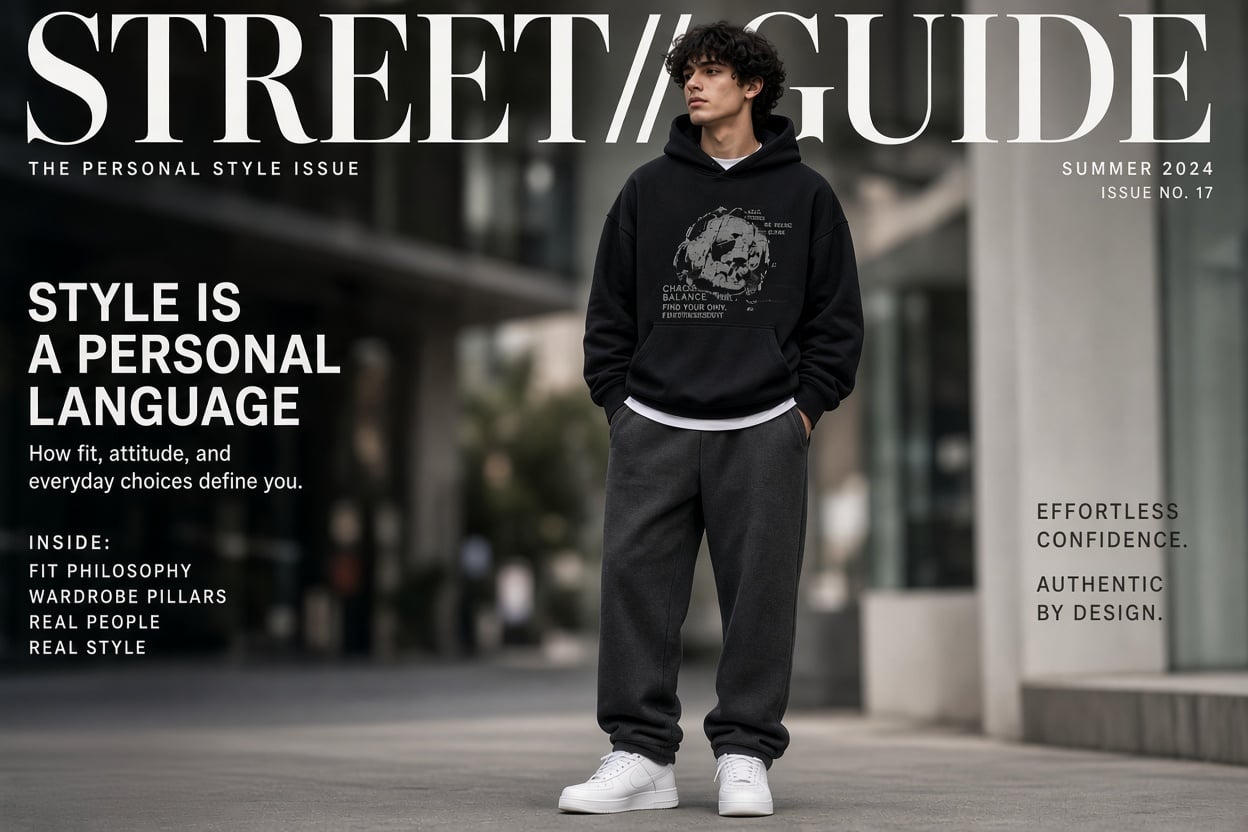
Streetwear has become an important part of modern fashion because it combines comfort, creativity, and individuality. From graphic T-shirts and oversized hoodies to relaxed sweatpants and stylish sneakers, streetwear offers countless ways to express your personality through clothing. However, choosing the right pieces is not just about following trends. It is about finding clothing that matches your preferences, fits comfortably, and works with your everyday lifestyle.
Whether you prefer minimal outfits or bold graphic designs, building a streetwear wardrobe becomes easier when you understand your personal style and know what to look for.
1. Understand Your Personal Style
Before buying new clothes, consider the styles you naturally enjoy wearing. Some people prefer simple outfits with neutral colors, while others like eye-catching graphics, oversized silhouettes, and distinctive designs.
If you enjoy keeping things minimal, start with plain T-shirts, straight-leg trousers, neutral hoodies, and versatile sneakers. These pieces are easy to combine and suitable for many occasions.
On the other hand, if you enjoy making a statement, experiment with graphic prints, interesting textures, contrasting colors, and layered outfits. The goal is to create a wardrobe that reflects your personality instead of copying every new trend.
2. Prioritize Comfort and the Right Fit
Comfort is one of the defining characteristics of streetwear. Even the most fashionable outfit may not work well if the clothing feels restrictive or does not fit your body properly.
Oversized T-shirts and relaxed-fit hoodies are popular choices because they allow freedom of movement and create a casual appearance. However, oversized clothing should still look intentional. Pay attention to shoulder seams, sleeve length, garment length, and the overall proportions of your outfit.
When shopping online, review the available size chart and compare measurements with clothing you already own. Do not automatically choose a larger size simply because oversized fashion is popular. The best fit is the one that suits your preferred silhouette.
3. Choose Colors That Work Together
Color selection can make a significant difference in how your outfits look. Building a wardrobe around a few complementary colors makes it easier to create different combinations without purchasing too many items.
Black, white, gray, navy, and beige are useful foundation colors. They work well with denim, sneakers, and a wide range of outerwear. Once you have established these basics, introduce brighter shades or graphic prints to add personality.
For example, a black hoodie with light-wash jeans creates a balanced everyday outfit. A white graphic T-shirt paired with dark cargo pants offers a clean urban appearance, while a colorful sweatshirt can become the main feature of a more expressive look.
A practical approach is to let one item stand out while keeping the remaining pieces relatively simple.
4. Invest in Versatile Streetwear Essentials
A strong streetwear wardrobe does not need to contain dozens of items. Start with a few versatile pieces that you can wear in different combinations.
Essential options include:
- Graphic T-shirts: Suitable for casual outfits and easy layering.
- Oversized hoodies: Useful for cooler weather and relaxed everyday styling.
- Sweatpants: Comfortable bottoms that pair well with T-shirts, hoodies, and casual footwear.
- Shorts: Practical choices for warm weather and laid-back occasions.
- Sneakers: Versatile footwear that can complement minimalist or graphic-heavy outfits.
Choose items according to your climate, routine, and budget. If you regularly wear casual outfits, investing in comfortable tops and bottoms may be more useful than buying statement pieces you rarely wear.
When exploring different collections, browse contemporary streetwear styles to discover outfit ideas and clothing options that may complement your wardrobe.
5. Experiment With Graphic Designs and Statement Pieces
Graphic clothing is a major part of modern streetwear. Prints, logos, illustrations, and unusual color combinations can transform a basic outfit into something more distinctive.
However, choosing graphics requires some balance. If you wear a bold printed hoodie, consider pairing it with plain jeans or neutral sweatpants. This allows the design to stand out without making the entire outfit look overly busy.
You can also experiment with different graphic styles. Vintage-inspired prints create a different impression from futuristic artwork, abstract patterns, or minimalist branding. Try different options until you find designs that match your personality.
For example, a graphic zip-up hoodie can serve as a statement layer over a basic T-shirt. Pair it with simple trousers and sneakers to create a coordinated look without competing patterns.
The key is to choose statement pieces that you genuinely enjoy wearing rather than buying them only because they are currently popular.
6. Pay Attention to Fabric and Quality
The appearance of clothing matters, but fabric quality is equally important. Since streetwear is often worn for extended periods, comfortable materials and reliable construction can make everyday outfits more enjoyable.
When shopping, check the product description for fabric composition, thickness, stitching, and care instructions. Cotton and cotton-blend materials are common choices for T-shirts and sweatshirts, while fleece-lined garments can provide additional warmth in colder conditions.
Also examine details such as seams, zippers, cuffs, and printed designs. Following the recommended washing instructions can help preserve colors, fabric texture, and garment shape.
Remember that a higher price does not automatically guarantee better quality. Compare the product details, construction, and fit before making a purchase.
7. Build Outfits Around Your Lifestyle
The right streetwear clothing should work for your daily activities. Your wardrobe requirements may differ depending on whether you spend most of your time at university, at work, traveling, or meeting friends.
For everyday activities, a T-shirt, relaxed trousers, and comfortable sneakers can be a practical combination. For cooler days, add a hoodie or lightweight jacket. For a more coordinated appearance, try matching your top and bottoms while varying the colors or textures slightly.
Think about how frequently you will wear each item. Clothing that works with several existing pieces generally offers more value than something that only matches one particular outfit.
It is also helpful to consider the weather. Lightweight fabrics are useful in warmer conditions, while heavier sweatshirts and layered clothing are more suitable for colder environments.
8. Set a Budget Before Shopping
Developing a personal style does not require spending a large amount of money. A realistic budget helps you focus on pieces that offer the most value and prevents unnecessary purchases.
Start by identifying gaps in your current wardrobe. If you already have several T-shirts but lack suitable outerwear, a versatile hoodie may be a more useful purchase than another similar shirt.
Compare prices, check size availability, and review return policies before placing an online order. If you are purchasing from an unfamiliar retailer, research its reputation and payment protections. For branded streetwear, verify the seller and product details rather than assuming that every listing is authentic.
A smaller collection of comfortable, versatile pieces can be more useful than a large wardrobe filled with items that rarely get worn.
9. Avoid Following Every Trend
Fashion trends can provide inspiration, but your personal style should not depend entirely on what is popular at the moment. Some trends may suit your preferences, while others may not complement your body proportions, lifestyle, or budget.
Instead of replacing your wardrobe whenever a new trend appears, identify the elements you genuinely like and incorporate them selectively. You might introduce a new color, try a different trouser silhouette, or add a graphic hoodie to an otherwise simple outfit.
This approach allows your wardrobe to evolve naturally while maintaining a consistent personal identity.
Final Thoughts
Choosing the right streetwear clothing is about finding the balance between personal expression, comfort, fit, quality, and practicality. Start by understanding your preferred style, choose versatile essentials, experiment with colors and graphics, and pay attention to the materials and sizing of each garment.
You do not need to own every trending item to create a distinctive wardrobe. A few carefully selected pieces can provide numerous outfit combinations and help you feel confident in your everyday appearance.
Ultimately, the best streetwear style is the one that feels authentic to you. Use trends as inspiration, make thoughtful purchasing decisions, and build a wardrobe that reflects your personality rather than someone else’s expectations.