



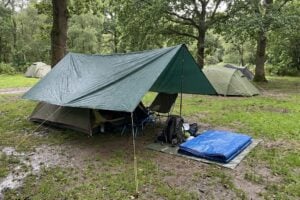


A backyard should be a place where you can relax after a long day, enjoy a family barbecue, or spend time outdoors with friends. However, mosquitoes can quickly make these simple pleasures uncomfortable. Their bites are irritating, and some mosquitoes can spread diseases. The good news is that a few practical changes around your yard can help reduce mosquito activity and make outdoor spaces more enjoyable.
Mosquitoes are attracted to areas where they can find standing water, shade, and places to rest during hot weather. By understanding what draws them to your property, you can take steps to make your backyard less inviting. Consistent maintenance, smart landscaping, and the right prevention methods can all make a difference.
1. Remove Standing Water Around Your Property
Standing water is one of the biggest reasons mosquitoes gather around residential properties. Many mosquito species lay their eggs in or near water, and even small amounts can become breeding sites.
Walk around your backyard regularly and check for water collecting in flowerpots, buckets, old tires, children’s toys, and other containers. Empty these items after rainfall and store them upside down when possible. Clean clogged gutters, replace water in birdbaths frequently, and make sure outdoor drains are working properly.
If you have a pond or another permanent water feature, maintain it carefully and consider suitable mosquito-control measures. Removing unnecessary standing water is one of the simplest and most effective steps homeowners can take to reduce mosquito breeding.
2. Keep Grass and Plants Properly Trimmed
Mosquitoes often rest in cool, shaded areas during the hottest parts of the day. Overgrown grass, thick shrubs, weeds, and dense vegetation can provide the shelter they need to stay close to your home.
Mow your lawn regularly and trim bushes, hedges, and plants around patios, walkways, and outdoor seating areas. Remove piles of leaves and unnecessary yard debris that can hold moisture. Where practical, create some space between dense vegetation and the areas where your family spends time outside.
Good landscaping will not eliminate every mosquito, but it can reduce suitable resting places and make the yard easier to maintain. A tidy backyard also helps you spot potential breeding areas before they become a bigger problem.
3. Improve Drainage in Low-Lying Areas
Sometimes, mosquito problems continue even when containers and other obvious water sources have been removed. The reason may be poor drainage.
Low spots in lawns, areas beneath outdoor taps, and sections of the yard where rainwater collects can remain damp for extended periods. Check these locations after heavy rainfall to see whether water drains away naturally.
You may need to level certain areas, improve soil drainage, or redirect runoff away from the house. Repair leaking outdoor faucets and irrigation lines as well. For persistent drainage problems, a landscaping or drainage professional can help identify a suitable solution.
Addressing these issues supports long-term backyard mosquito prevention because it reduces the chance of water collecting in hidden or overlooked locations.
4. Use Outdoor Fans and Protective Screens
You do not always have to treat the entire yard to make outdoor activities more comfortable. Simple barriers and airflow can help reduce mosquito encounters in the areas you use most.
Mosquitoes are relatively weak fliers, so a fan on a patio or covered seating area can make it harder for them to land on people. Keep doors and window screens in good condition, and repair holes that allow insects to enter your home.
When spending time outdoors, wear lightweight clothing that covers your arms and legs when practical. Use an appropriately registered insect repellent according to its label directions, especially during periods when mosquitoes are active.
These measures work best alongside other prevention efforts rather than as a replacement for removing breeding sites.
5. Choose Plants and Decorations Carefully
A beautiful backyard does not have to be full of complicated landscaping to remain comfortable. The important thing is to avoid creating unnecessary places where moisture and shade accumulate.
Arrange planters so water can drain freely, and check decorative containers after watering or rain. Keep saucers beneath pots from holding water for long periods. If you use outdoor furniture covers, position them so rainwater cannot pool in folds or depressions.
Some plants are marketed as natural mosquito repellents, but planting them alone generally does not provide dependable protection across an entire yard. It is better to focus on water management, regular trimming, and other proven prevention steps instead of relying on plants to solve the problem.
6. Understand Your Mosquito Yard Treatment Options
When mosquitoes remain a problem despite regular maintenance, it may be time to consider additional treatment. The right approach depends on the size of the yard, nearby vegetation, potential breeding sites, and the severity of the infestation.
Some mosquito yard treatment options include removing breeding sources, treating appropriate water-holding areas with products specifically labeled for mosquito larvae, and applying targeted treatments to suitable resting areas when necessary. Any pesticide should be used strictly according to its label, with attention to children, pets, pollinators, and other wildlife.
Avoid applying chemicals to ponds, drains, or other water sources unless the product is specifically approved for that use. Professional pest control services can assess the property, identify overlooked problem areas, and recommend an appropriate treatment plan.
For homeowners dealing with persistent mosquito activity, professional guidance can help address the underlying causes instead of relying on repeated, short-term fixes.
7. Make Mosquito Prevention a Regular Habit
One afternoon of yard cleaning may help, but mosquito prevention works best as an ongoing routine. Check for standing water after rainfall, inspect gutters, maintain your lawn, and look for damaged screens or leaking outdoor fixtures.
Pay extra attention during warm, humid weather when mosquito activity may increase. If your neighbors have similar problems, nearby breeding sites may also contribute to the number of mosquitoes reaching your property. You can control many conditions within your own yard, although mosquitoes may travel in from surrounding areas.
If you notice that mosquito activity remains unusually high, consider getting help to identify the source and determine which control measures are appropriate.
Enjoy a More Comfortable Backyard
Making your backyard less attractive to mosquitoes starts with a few practical habits: remove standing water, maintain your landscaping, improve drainage, and protect the outdoor spaces you use most. These steps can reduce breeding opportunities and make your yard more comfortable throughout the warmer months.
If mosquitoes continue to interfere with outdoor activities, professional pest management may provide additional support. With consistent maintenance and a well-planned prevention strategy, you can make your backyard a more welcoming place for family gatherings, relaxation, and time in the fresh air.