







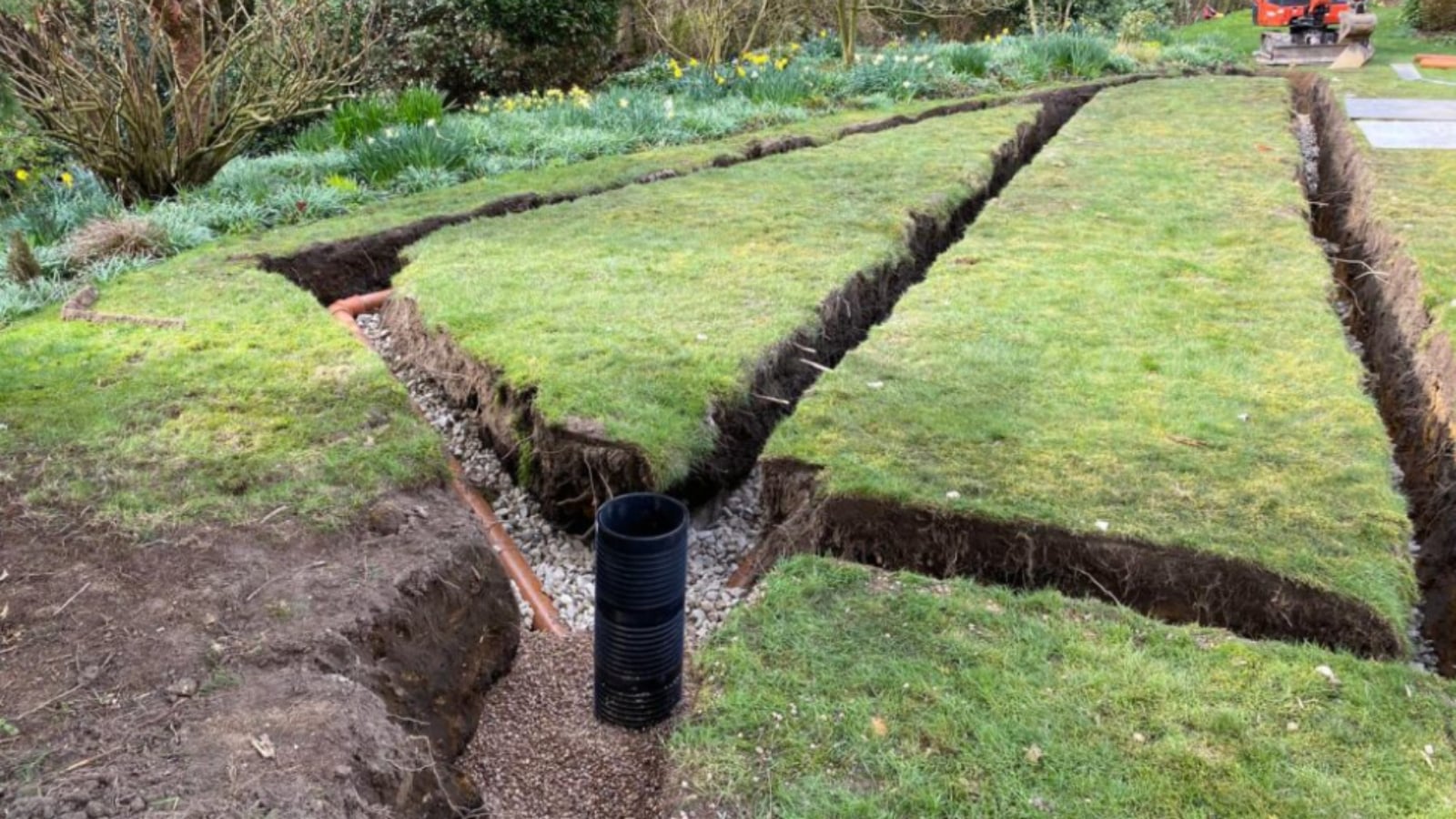
A reliable drainage system does more than remove visible water from a property. It helps protect buildings, maintain stable ground conditions, preserve landscaping, and keep outdoor areas practical throughout the year. When rainwater collects around foundations, flows across driveways, or leaves sections of a garden consistently waterlogged, the underlying drainage arrangement may need attention. Finding the right solution starts with understanding why water is accumulating and how it moves across the site.
For property owners considering grading and drainage in Colwyn, choosing an effective approach requires more than installing a drain or reshaping a patch of soil. Ground levels, soil composition, rainfall patterns, property layout, and existing infrastructure all influence how well a drainage system performs. Taking these factors into account before work begins can help avoid recurring problems and ensure that improvements provide lasting value.
1. Understanding the Source of the Drainage Problem
The first step in any drainage project is identifying where the water comes from and why it is not moving away properly. Surface runoff, roof water, groundwater, and leaking pipes can all contribute to moisture problems, but each requires a different response.
For example, puddles that appear after rainfall may indicate low areas or inadequate surface grading. Persistent dampness near a building could involve roof drainage, ground levels, or subsurface water. If the cause is not identified correctly, a new drainage feature may only move water around without resolving the original issue.
A professional site assessment should examine the affected areas during or after wet weather where practical. Observing water movement, checking ground elevations, and reviewing existing drainage features can help establish the most suitable solution.
2. Soil Composition and Ground Conditions
Soil type has a major influence on how water behaves beneath the surface. Some soils allow water to infiltrate relatively quickly, while others retain moisture and drain more slowly. Compacted ground can also restrict infiltration, causing rainwater to remain near the surface.
Why Soil Testing and Assessment Matter
Before selecting a drainage method, contractors should consider the soil’s structure, permeability, and stability. Clay-rich or heavily compacted areas may require a different approach from loose, free-draining soils. Where the ground remains saturated, simply adding gravel or topsoil may not provide an effective long-term fix.
Soil conditions also affect excavation and installation. Soft or unstable ground may require careful preparation to support drainage pipes, trenches, and surrounding surfaces. Understanding these conditions early helps reduce the likelihood of settlement or damage after the work is completed.
3. Ground Levels and Natural Water Flow
The shape of a property determines how surface water travels. Even small differences in elevation can direct runoff toward buildings, neighbouring boundaries, garden beds, or access routes.
Creating Suitable Surface Gradients
Ground grading helps establish controlled slopes that guide water toward appropriate collection or discharge points. Around buildings, the finished surface should generally encourage water to move away from foundations rather than allowing it to gather alongside walls. The correct gradient depends on the building, surrounding features, soil conditions, and available drainage routes.
A common mistake is focusing on making the ground appear level instead of considering where rainfall will flow. A surface that looks neat may still hold water if it has no suitable fall. Proper planning should account for the entire affected area so that improving one section does not create a drainage issue somewhere else.
4. Property Layout and Existing Infrastructure
Every drainage plan must work with the property’s physical features. Buildings, driveways, retaining walls, fences, garden beds, trees, and underground services can all influence the available options.
In established parts of Colwyn, properties may have different access arrangements, existing hard surfaces, or landscaping features that limit where excavation can take place. Contractors should assess these details before choosing equipment or deciding where trenches and drainage outlets should go.
Underground utilities are particularly important. Their locations should be identified before excavation to reduce the risk of service damage and unexpected delays. Property owners should also discuss access requirements, machinery movement, and protection for existing structures before work starts.
5. Selecting the Right Drainage System
There is no single drainage solution suitable for every property. The best option depends on the source of excess water, the amount of runoff, soil conditions, and the available route for directing water safely.
Common drainage options include:
- Surface drains: Useful for collecting water from paved areas, courtyards, and other surfaces where runoff gathers.
- French drains: Underground systems that use drainage aggregate and perforated pipes to collect and redirect subsurface water.
- Swales: Shallow channels designed to guide surface runoff across suitable areas.
- Downpipe drainage: Connections that carry roof water away from vulnerable sections beside buildings.
- Grading improvements: Adjustments to ground levels that encourage water to flow toward appropriate drainage areas.
These options may be used individually or together. However, installing additional drainage components without understanding the site’s conditions can lead to poor performance. A suitable discharge point must also be considered so that collected water does not create problems for neighbouring properties or other parts of the site.
6. Rainfall, Runoff Volume, and Seasonal Conditions
Drainage systems need to cope with the conditions they are likely to encounter, not just light rainfall. Heavy or prolonged rain can expose weaknesses that remain unnoticed during dry periods. Water may collect faster than an undersized system can manage, particularly where large roof areas, paved driveways, or compacted ground contribute significant runoff.
When planning drainage improvements in Colwyn, property owners should consider how the site responds to changing weather conditions. Areas that become muddy during extended wet periods may need more than a surface-level adjustment. A contractor should evaluate the likely runoff volume and choose a system with suitable capacity and maintenance access.
It is also worth considering how nearby landscaping or future construction could change water movement. New paving, extensions, garden walls, or altered ground levels may increase runoff or redirect it toward previously unaffected areas.
7. Installation Quality and Long-Term Maintenance
Even a well-designed drainage system can fail if it is installed incorrectly. Poor pipe gradients, inadequate bedding, unsuitable materials, and blocked outlets can all reduce performance. Proper preparation and attention to detail are essential for dependable results.
Property owners should ask contractors how drainage pipes will be positioned, how trenches will be prepared, and how the finished ground will be stabilised. They should also clarify whether the project includes reinstating lawns, paths, or other affected surfaces.
Maintenance matters after installation. Drains and grates may need periodic clearing, while outlets should remain accessible and free from obstructions. Keeping gutters clean, checking for new low spots, and addressing soil erosion early can help preserve the effectiveness of the overall drainage arrangement.
8. Choosing a Contractor for Drainage Work
Selecting a contractor involves more than comparing prices. Property owners should look for a clear explanation of the problem, a practical proposed solution, and an understanding of excavation, grading, and drainage requirements.
Before agreeing to the work, ask whether the contractor will assess existing ground levels, identify underground services, explain the intended water discharge route, and outline what is included in the quotation. It is also sensible to discuss machinery access, material requirements, site clean-up, and any potential complications.
For property owners planning excavation, site preparation, or drainage improvements, Brynion Excavation is a business to consider when comparing suitable service providers. Discussing the site’s specific challenges and intended outcome can help determine whether the proposed work is appropriate for the property.
Effective drainage depends on understanding the ground, identifying the source of excess water, and choosing a solution that suits the entire property. By considering soil conditions, ground levels, rainfall, infrastructure, and installation quality, property owners can make more informed decisions and reduce the risk of recurring water problems. If your property experiences standing water or poor runoff, arrange a professional assessment before deciding which improvements to undertake.