







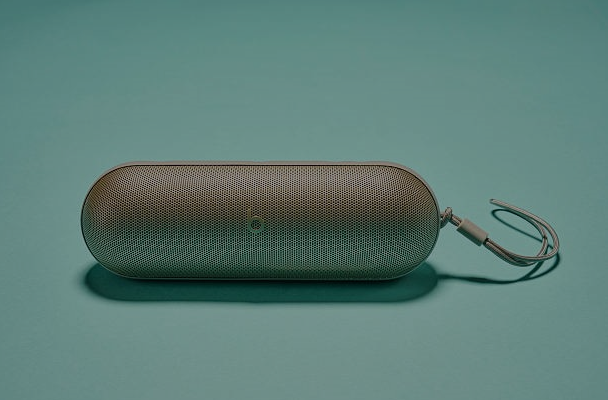
The speaker that works perfectly in a living room may be completely impractical beside a pool, inside a travel bag, or during an outdoor gathering. Portable audio choices become much easier when you first consider where the sound will be used and what the speaker needs to handle. Waterproofing, battery life, portability, connectivity, placement, and useful speaker accessories can all influence the experience. Home speakers, meanwhile, often prioritize consistent sound and convenient placement over rugged construction. Keep reading to learn how to match waterproof speakers, home speakers, and supporting accessories to the environments where you will actually listen.
Key Takeaways
- Choose waterproof speakers according to their IP ratings, battery life, and intended environment.
- Home speakers generally prioritize consistent sound performance and room coverage, while portable models emphasize mobility.
- Consider speaker size, sound clarity, and connectivity before purchasing.
- Essential accessories improve placement, protection, and everyday usability.
- Match your speaker’s features to your listening habits instead of choosing based on appearance alone.
Considerations When Choosing Portable Audio Equipment
Understand Waterproof Speaker Ratings
Waterproof speakers are useful for portable audio setups around swimming pools, beaches, and other places where accidental water exposure is possible. However, not every speaker advertised as water-resistant offers the same level of protection.
Ingress Protection (IP) ratings help identify a product’s resistance to dust and water.
Common ratings include:
- IPX4: Protection against water splashes.
- IPX7: Protection against temporary immersion under specified test conditions.
- IP67: Dust-tight construction and protection against temporary water immersion.
These ratings do not automatically guarantee resistance to saltwater, chemicals, or high-pressure water.
For outdoor activities, select a model with protection appropriate for the environment. Always follow the manufacturer’s cleaning and drying instructions after exposure to moisture.
- Compare Home and Portable Speakers
Home speakers and portable audio models serve different listening needs.
Home speakers are generally designed for stationary use, allowing manufacturers to incorporate larger drivers, substantial enclosures, and continuous electrical power. These characteristics can support fuller sound and higher sustained output, depending on the model.
Portable speakers prioritize compact construction, rechargeable batteries, and convenient transportation.
Consider these differences:
- Home Speakers: Suitable for living rooms, bedrooms, and dedicated listening areas.
- Portable Speakers: Convenient for outdoor gatherings, travel, and moving between rooms.
- Power Requirements: Home models commonly use wall outlets, while portable versions typically operate on batteries.
Choose based on where the speaker will be used most frequently, rather than assuming one category always delivers better sound.
- Evaluate Sound Quality and Volume
A speaker’s sound quality depends on more than its advertised wattage.
Driver design, enclosure construction, frequency response, and digital signal processing all influence listening performance. Larger speakers may reproduce deeper bass, although careful engineering can improve the performance of compact models.
When comparing portable audio speakers, pay attention to:
- Vocal Clarity: Speech and singing should remain understandable.
- Bass Balance: Low frequencies should not overwhelm other sounds.
- Distortion: Audio should remain controlled at normal listening volumes.
- Sound Coverage: The speaker should distribute sound effectively throughout the intended area.
For personal listening, balanced audio at moderate volume may matter more than maximum loudness. Larger rooms and outdoor gatherings may require greater output.
- Check Battery Life and Connectivity
Battery performance determines how practical a wireless speaker will be away from electrical outlets.
Manufacturers typically advertise estimated playback hours, but actual performance varies with volume, audio processing, and operating conditions.
Connectivity deserves equal attention. Bluetooth speakers pair directly with compatible phones, tablets, and other connected devices, while some home speakers use Wi-Fi for network-based playback.
Before purchasing, check the supported Bluetooth version, the connection range, and whether the speaker supports pairing with multiple devices.
Also, verify charging requirements. A USB-C charging port is convenient, but the supported input determines which power adapters are suitable.
Reliable connectivity and sufficient battery capacity make listening more convenient throughout the day.
- Choose Essential Speaker Accessories
The right accessories help protect portable audio equipment, improve positioning, and simplify transportation.
Rather than collecting unnecessary add-ons, select products that solve practical problems.
Useful options include:
- Protective Cases: Reduce scratches and minor damage during transportation.
- Speaker Stands: Position speakers at suitable listening heights.
- Mounting Brackets: Secure compatible speakers to supported surfaces.
- Replacement Cables: Maintain power connections for models requiring external electricity.
Compatibility is important because mounting points, dimensions, and connector types vary across products.
For travel, padded carrying cases are particularly useful when packing speakers alongside other electronics.
Choose accessories that match the speaker’s design and the conditions under which it will be used.
- Consider Placement and Listening Space
Even a well-designed speaker can sound disappointing when positioned poorly.
Room dimensions, furniture, and nearby surfaces influence how sound travels. Placing a speaker directly in a corner can increase perceived bass, sometimes making music sound excessively heavy.
For home listening, position speakers on stable surfaces and avoid blocking their drivers.
In larger rooms, stereo speaker separation can create a wider listening experience when supported by the audio system.
Outdoors, sound disperses more freely because walls are absent, which may require different volume settings or speaker placement.
Matching speaker positioning to the listening environment helps achieve clearer, more consistent audio without unnecessary increases in volume.
Conclusion
Choosing the right portable audio equipment involves balancing sound quality, convenience, durability, and intended use. Waterproof speakers offer protection against moisture during outdoor activities, while home speakers provide reliable options for stationary listening.
Battery life, connectivity, and compatible accessories also influence how effectively a speaker meets everyday needs. Paying attention to these features helps prevent purchases that look appealing but fail to deliver the expected performance.
Whether selecting a compact speaker for travel or upgrading a home listening setup, prioritize clear sound, practical features, and dependable construction. The right combination can provide a more enjoyable listening experience across different environments.
FAQs
Can two Bluetooth speakers play music simultaneously?
Some speakers support stereo pairing or group playback, but compatibility depends on the manufacturer’s wireless pairing technology and the models it supports.
Can travel chargers be used with Bluetooth speakers?
Yes. Compatible travel chargers can power USB-rechargeable speakers when their output specifications match the speaker manufacturer’s charging requirements.
Which travel gadgets help protect speakers during flights?
Among useful travel gadgets, padded electronics organizers and protective speaker cases help prevent scratches and movement inside carry-on luggage.
Do Bluetooth speakers support wired audio connections?
Some models include a 3.5mm auxiliary input or compatible USB audio functionality, although many newer speakers support wireless playback only.
Can a Bluetooth speaker be used for conference calls?
Yes, if it includes a microphone and supports the necessary hands-free calling profile. Audio quality varies by model.