



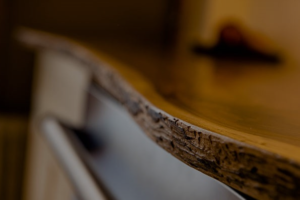

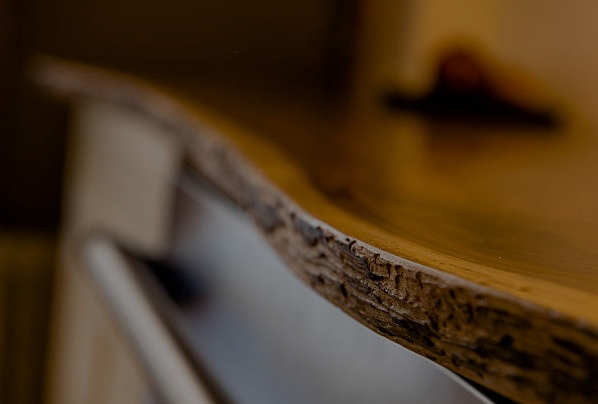
A countertop can do more than provide a surface for everyday activities. It can become the centerpiece that gives an entire room its character. Imagine a kitchen island with natural wood grain, flowing edges, and patterns that no manufactured surface can replicate exactly. That’s the appeal of live edge countertops, which bring the distinctive beauty of natural wood into modern and rustic interiors. However, choosing the right live-edge countertop design involves more than admiring its appearance. Wood species, finishes, proportions, and surrounding materials can influence the final look.
So, how can you create a countertop that feels both distinctive and harmonious? Let’s explore the possibilities.
Key Takeaways
- Live-edge wood countertops introduce natural contours and distinctive grain patterns into modern and rustic kitchens.
- Minimalist islands, metal combinations, and floating breakfast bars complement contemporary interiors.
- Farmhouse layouts and reclaimed timber create distinctive rustic countertop designs.
- Wood species, surrounding materials, and countertop proportions influence the overall design.
- Appropriate finishes help protect wooden surfaces while preserving their natural appearance.
Live Edge Wood Countertop Designs for Modern Interiors
Minimalist Kitchen Island Designs
Minimalist kitchens emphasize clean geometry, uncluttered surfaces, and functional layouts. Live-edge countertops introduce distinctive organic shapes through their naturally curved profiles.
A rectangular kitchen island can feature a straight preparation edge and an irregular seating edge, preserving usable workspace while displaying the slab’s original contours. Subtle curves are particularly suitable for interiors with restrained decorative details.
A flat-panel cabinet design with concealed handles keeps the island visually simple. Selecting a slab with a consistent thickness also helps maintain balanced proportions throughout the installation.
Wood and Metal Combinations
Pairing timber with metal introduces an industrial influence into contemporary kitchens. Dark walnut works well with blackened steel, while pale white oak complements brushed stainless steel.
Metal elements can appear in exposed support frames, drawer handles, or decorative trim. Choosing one dominant metal finish establishes consistency across these details.
When combining live-edge countertops with custom cabinetry, consider how different wood tones interact with surrounding materials. Reviewing physical samples under natural and artificial lighting helps identify suitable combinations before installation.
Floating Countertops and Breakfast Bars
Floating breakfast bars provide convenient seating where traditional base cabinets would occupy valuable floor space. Wall-mounted installations work particularly well beneath windows, along narrow kitchen walls, or beside open-plan dining areas.
A compact wooden slab can accommodate casual meals without the need for a separate dining table. Concealed steel brackets anchored into appropriate structural framing provide support while keeping the space beneath accessible.
Coordinating countertop height with nearby custom furniture helps establish comfortable seating arrangements. Adequate knee clearance also improves everyday usability.
Live Edge Wood Countertop Designs for Rustic Interiors
Farmhouse Kitchen Countertop Designs
Traditional farmhouse kitchens feature recognizable architectural details, including shaker cabinets, apron-front sinks, and paneled walls. Live-edge countertops can be incorporated into these settings as perimeter worktops that follow the existing kitchen layout.
Cream-painted cabinets and antique brass hardware reinforce the traditional style. Beadboard backsplashes introduce subtle detailing, while open plate racks provide accessible storage for everyday dishes.
Extending the wooden worktop across adjoining cabinet units creates a continuous preparation area. This arrangement suits farmhouse kitchens designed around practical cooking and household activities.
Reclaimed Wood Countertop Designs
Reclaimed timber introduces material history through characteristics developed during previous construction or furniture applications. Salvaged slabs may contain original saw marks, filled nail holes, and distinctive signs of aging.
Before fabrication, reclaimed lumber should be inspected for structural defects, embedded fasteners, and potentially hazardous previous treatments. Appropriate drying and conditioning help reduce excessive movement after installation.
Sourcing live-edge wood from reputable salvage suppliers provides an opportunity to reuse suitable hardwood. Each recovered slab retains individual markings that distinguish it from newly milled timber.
Natural Finishes and Earthy Colors
Rustic kitchens often incorporate muted colors inspired by natural surroundings. Olive green, terracotta, and warm beige provide complementary backgrounds for wooden countertops.
Finishing options influence the overall look of the timber. Matte coatings minimize reflected light, while satin finishes introduce a gentle sheen. Clear coatings retain existing wood coloration, whereas pigmented stains create lighter or darker tones.
For live-edge countertops, choosing a protective finish suitable for kitchen use is essential. Follow the manufacturer’s instructions for curing, cleaning, and periodic maintenance to preserve the treated wood.
Conclusion
Choosing the right wooden countertop involves finding a balance between natural beauty, interior style, and everyday functionality. Live-edge countertops offer flexibility across different settings, whether incorporated into a minimalist kitchen island or a traditional farmhouse layout. Their distinctive shapes and grain patterns make each installation visually individual, while thoughtful material combinations help create a cohesive interior.
Consider the available space, surrounding cabinetry, and intended use before selecting a slab. A carefully chosen countertop can become a lasting feature that reflects the character of your home. Explore custom wood countertop options to find a design that suits your space.
FAQs
Are live-edge wood countertops more expensive than standard countertops?
Prices vary depending on wood species, slab size, availability, and fabrication requirements. Large, premium hardwood slabs generally cost more.
Can live edge wood countertops crack over time?
Yes. Changes in indoor humidity can cause wood movement and cracking. Proper drying, acclimation, and humidity control help reduce these risks.
What thickness works best for live edge wood countertops?
Many slabs measure approximately 1.5 to 3 inches thick, although appropriate thickness depends on span, wood species, and support requirements.
Can live edge wood countertops be installed around kitchen sinks?
Yes, but sink cutouts, exposed edges, and surrounding joints require careful sealing to reduce moisture penetration and potential damage to the wood.
Can scratches on live-edge wood countertops be repaired?
Minor scratches can often be repaired through suitable touch-up methods. More serious damage may require sanding and refinishing, depending on the coating.