







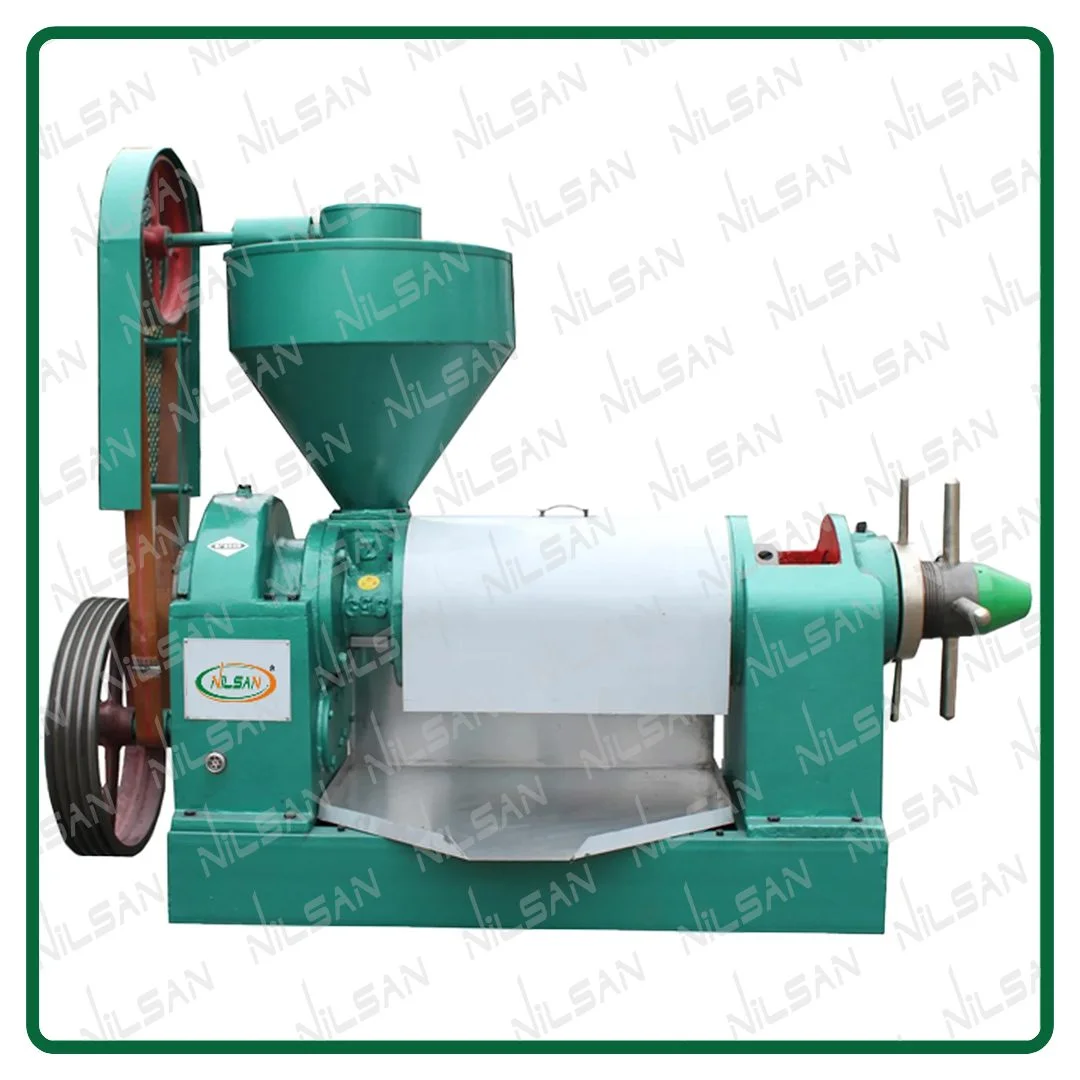
A cold oil press machine is used to extract oil from seeds and nuts through mechanical pressure while limiting heat exposure during the pressing process. It is commonly used by businesses that produce groundnut oil, sesame oil, mustard oil, sunflower oil, and other seed-based oils.
As interest in cold-pressed oils creates opportunities for small and commercial producers, choosing the right extraction equipment has become an important business decision. A suitable machine can help streamline production, reduce manual effort, and support consistent oil processing.
Whether you are starting an oil production business or upgrading an existing facility, understanding how a cold oil press machine works, which seeds it can process, and what to consider before purchasing one can help you make an informed choice.
What Is a Cold Oil Press Machine?
A cold oil press machine extracts oil from suitable seeds and nuts using mechanical pressure, with the aim of keeping the extraction temperature relatively low. Unlike conventional hot pressing, which involves deliberate heating or conditioning of seeds, cold pressing focuses on limiting heat exposure during extraction.
This method is used to produce oils that retain characteristics such as their natural flavour, aroma, and colour. The final quality depends on the raw materials, processing conditions, filtration, and storage.
Cold oil press machines are available in different capacities, from smaller commercial models to larger production systems. Some models also include a heater and an integrated filtration system, so it is important to check the operating method of the specific machine before purchase.
How Does a Cold Oil Press Machine Work?
Understanding the working process helps businesses manage production and select suitable equipment.
1. Seed Cleaning and Preparation
The process begins with cleaning the seeds to remove dust, stones, and other unwanted materials. Seeds should have an appropriate moisture level for the selected machine. Depending on the raw material, additional preparation may be necessary.
2. Feeding the Seeds
The prepared seeds are loaded into the feeding hopper. They move into the pressing chamber, where the machine’s screw mechanism transports and compresses the material.
3. Mechanical Oil Extraction
The screw applies pressure to the seeds, forcing the oil out through openings in the pressing chamber. The remaining solid material exits separately as oil cake.
The amount of oil extracted depends on the seed variety, oil content, moisture level, machine settings, and number of pressing cycles.
4. Oil Filtration
Freshly extracted oil may contain small particles. A suitable oil filtration system helps remove these suspended solids before storage or packaging.
5. Storage and Packaging
The filtered oil is transferred into clean, suitable containers. Proper handling, appropriate storage conditions, and suitable packaging help maintain product quality.
What Are the Benefits of a Cold Oil Press Machine?
A cold oil press machine can offer several advantages for businesses involved in oil production.
Maintains Natural Oil Characteristics
Limiting heat exposure during extraction can help retain the natural flavour, aroma, and colour of certain oils. However, the results vary depending on the seed type and processing conditions.
Supports Different Oilseed Applications
Depending on the model, the machine may process groundnuts, sesame seeds, mustard seeds, sunflower seeds, flaxseeds, soybeans, and other compatible materials. Always confirm seed compatibility with the manufacturer.
Reduces Manual Work
Mechanical extraction simplifies the pressing process compared with manual methods. Commercial machines can help businesses manage regular production with less physical effort.
Suitable for Different Business Sizes
Cold oil press machines are available in several capacities. This allows entrepreneurs and established manufacturers to choose equipment according to their daily processing targets.
Provides Control Over Production
Businesses can manage seed selection, pressing conditions, filtration, and storage. This control can help establish consistent production procedures and meet customer requirements.
Which Seeds Can Be Processed Using a Cold Oil Press Machine?
The seeds that can be processed depend on the machine’s design and specifications. Common examples include:
- Groundnut: Used to produce groundnut oil.
- Sesame: Used to produce sesame oil with its characteristic flavour.
- Mustard: Used to produce mustard oil for suitable culinary applications.
- Sunflower: Used to produce sunflower seed oil.
- Flaxseed: Used to produce flaxseed oil.
- Soybean: Used for soybean oil extraction when supported by the machine.
Before processing a new seed type, confirm the recommended preparation method, moisture requirements, operating settings, and expected production capacity.
Cold Pressing vs Hot Pressing: What Is the Difference?
The main difference between cold pressing and hot pressing is how heat is managed during extraction.
Cold pressing aims to limit heat exposure during the pressing process. It is often chosen by producers who want to offer oils with particular natural flavour and aroma characteristics.
Hot pressing involves heating or conditioning the seeds before or during extraction. This may help improve oil release for certain materials, although the outcome depends on the seed and process.
Cold pressing does not automatically mean that an oil is certified organic. Organic status depends on the raw materials, production practices, and applicable certification requirements.
How to Choose the Right Cold Oil Press Machine
Before investing in equipment, evaluate these important factors.
1. Production Capacity
Estimate how many kilograms of seeds you plan to process daily. Compare this requirement with the manufacturer’s rated capacity and ask how the output may change when using different seeds or pressing methods.
2. Temperature Control
If limiting heat exposure is important for your product, ask how the machine manages pressing temperature and whether operating temperatures can be monitored.
3. Motor Power and Electricity
Check the motor rating, voltage, heater power if applicable, and installation requirements. These details help you estimate operating expenses and plan the electrical setup.
4. Filtration System
Determine whether filtration is integrated into the machine or needs to be purchased separately. Choose a suitable filtration arrangement based on the oil and the desired finished product.
5. Cleaning and Maintenance
Look for accessible components, clear cleaning instructions, and readily available spare parts. Always switch off and isolate the power before cleaning, and follow the manufacturer’s safety instructions for hot components.
6. Budget and After-Sales Support
Consider the machine price, installation, electricity, maintenance, raw materials, and packaging. Also ask about warranty coverage, operator training, and technical assistance.
Why Choose Nilsan India for a Cold Oil Press Machine?
Nilsan India offers cold and organic oil press machines in different commercial capacities. Its range includes models with pressing and filtration functions, as well as versions equipped with a heater.
Businesses comparing an Oil Maker Machine should evaluate the available options according to their intended use, seed compatibility, production requirements, and workspace. Reviewing technical specifications before purchase helps ensure that the selected equipment is suitable for the planned operation.
Visit the Nilsan India Cold & Organic Oil Press Machine page to explore the available models and learn more about their features.
Conclusion
A cold oil press machine provides a practical way to extract oil from suitable seeds and nuts while limiting heat exposure during pressing. It can be useful for businesses that want to produce groundnut, sesame, mustard, sunflower, and other seed-based oils.
Before selecting a machine, consider production capacity, temperature management, seed compatibility, filtration, electricity requirements, and maintenance support. Comparing these factors with your business goals can help you choose equipment that suits your production needs.