





Spanish white wines offer considerable variety, from crisp coastal styles to fuller wines produced from Mediterranean grape varieties. One grape that deserves attention is Garnacha Blanca, the white-skinned counterpart of the better-known red Garnacha. It can produce wines with fruit-forward aromas, floral character, refreshing acidity, and a rounded texture. The variety is grown in several Spanish regions and can be made in both single-varietal and blended wines.
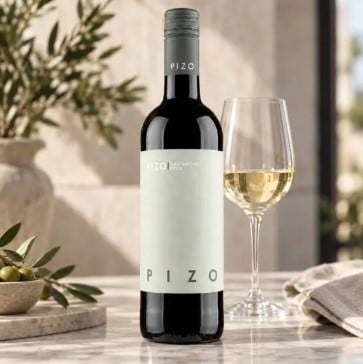
For people exploring this less familiar side of Spanish wine, Pizo Garnacha provides an example of a Garnacha Blanca wine from Catalonia. The 2023 vintage is described as a 100% Garnacha Blanca wine with 13% ABV, featuring citrus, floral, tropical, and stone-fruit characteristics.
What is Garnacha Blanca?
Garnacha Blanca, also known as Grenache Blanc, is a naturally occurring white mutation of Garnacha Tinta. Although related to the red variety, it produces a distinctly different wine style. According to the Consejo Regulador DOCa Rioja, the grape can be used on its own or blended with other white varieties. In cooler growing areas, it can produce wines with pleasant character and good acidity, while its aromatic profile can include floral, fruity, and herbaceous notes.
The grape has a strong association with Mediterranean climates and is cultivated in different parts of Spain. Its versatility means that winemaking decisions, vineyard conditions, and climate can have a significant effect on the final wine.
Garnacha Blanca can therefore range from fresh and citrus-driven expressions to fuller wines with greater texture and ripe-fruit character. Decanter’s assessment of Garnacha Blanca wines also highlights the diversity of styles produced from the variety, with floral and white-fruit characteristics often accompanied by appealing texture and acidity.
Where Is Pizo Garnacha From?
The 2023 Pizo Garnacha is made from 100% Garnacha Blanca and comes from Catalonia, Spain. The product information identifies it as a DO wine and lists the alcohol level at 13% ABV.
Catalonia is an important region for Garnacha Blanca. In fact, Decanter’s expert panel has identified Catalonia as one of the particularly interesting areas for the variety, noting that its wines can show a distinctive regional character.
The Mediterranean influence of the region can contribute ripe fruit flavours while appropriate vineyard conditions and winemaking techniques help retain freshness. This combination makes Garnacha Blanca an interesting choice for drinkers looking beyond the most familiar international white grape varieties.
What Does Pizo Garnacha Taste Like?
According to the listed tasting information, Pizo Garnacha opens with aromas of lemon, lime, and grapefruit, alongside white blossom and tropical fruit such as pineapple and melon. On the palate, it combines ripe stone-fruit flavours, including peach and apricot, with noticeable acidity and a subtle mineral character. The finish is described as clean, fresh, and fruit-forward.
This combination gives the wine several layers of flavour. Citrus provides freshness, tropical fruit contributes aromatic intensity, while stone fruit can add softness and roundness. Floral notes can further increase the wine’s aromatic complexity.
The result is a style that may appeal to people who enjoy white wines that are fruity and expressive without relying on heavy oak flavours.
Is Garnacha Blanca a Sweet or Dry Wine?
Garnacha Blanca can be produced in different styles, so the grape variety itself does not automatically determine whether a wine is sweet or dry. Winemaking choices and residual sugar levels have a significant influence.
The Pizo Garnacha profile emphasizes crisp acidity, fruit flavours, and a refreshing finish rather than describing it as a sweet wine. This makes its character more appropriate for consumers looking for a fresh Spanish white wine with noticeable fruit expression.
It is also worth remembering that fruity aromas do not necessarily mean a wine contains significant amounts of sugar. A dry wine can smell strongly of ripe fruit while remaining relatively low in residual sugar.
What Food Pairs Well With Garnacha Blanca?
One of the strengths of Garnacha Blanca is its flexibility at the dining table. Its combination of acidity, fruit character, and texture can work with seafood, vegetables, poultry, and lighter Mediterranean dishes.
The recommended pairings for Pizo Garnacha include grilled shrimp, scallops, ceviche, light pasta, salads, vegetable dishes, tapas, Manchego cheese, grilled chicken, and sushi.
Seafood is particularly suitable because acidity can provide contrast to delicate fish and shellfish. Ceviche can be especially interesting because the wine’s citrus character complements the lime-based acidity traditionally found in the dish.
For Spanish-style meals, tapas and grilled vegetables can also create a natural pairing. Manchego provides a richer and saltier contrast to the wine’s fresh fruit and acidity.
How Should You Serve Garnacha Blanca?
Serving temperature can significantly influence the perception of a white wine. A chilled serving generally emphasizes freshness and acidity, while allowing the wine to warm slightly in the glass can make its aromas more noticeable.
For Pizo Garnacha, a moderately chilled serving is appropriate for highlighting its citrus, tropical-fruit, floral, and stone-fruit characteristics. Avoid serving it excessively cold for an extended period, as very low temperatures can suppress aromatic expression.
A medium-sized white wine glass can also help concentrate aromas toward the nose. Swirling gently before tasting allows oxygen to interact with the wine and can make its aromatic profile easier to identify.
How Does Garnacha Blanca Compare With Other White Grapes?
Garnacha Blanca occupies an interesting position among Spanish white varieties. Compared with very lean, high-acid white wines, it can provide more body and a softer texture. The Rioja Wine Academy describes Garnacha Blanca as a variety that can contribute volume, structure, aromatic intensity, ripe fruit, and Mediterranean-herb characteristics.
However, its style varies considerably according to region and winemaking. Some examples are fermented or aged in stainless steel to preserve freshness, while others may use oak or lees ageing to create additional texture and complexity.
The product information for Pizo Garnacha states that its winemaking focuses on freshness, with controlled-temperature fermentation in stainless steel and brief maturation in stainless steel rather than oak.
This approach helps preserve the grape’s fruit and floral qualities while maintaining its crisp character.
Why Explore Spanish Garnacha Blanca?
For wine drinkers who typically choose Sauvignon Blanc, Chardonnay, or Pinot Grigio, Garnacha Blanca can provide a useful change of pace. It combines recognizable characteristics such as citrus and fresh fruit with a potentially fuller texture and Mediterranean personality.
The variety also demonstrates why looking beyond the most internationally familiar grapes can make wine exploration more interesting. Different regions and winemaking methods can produce noticeably different expressions from the same grape.
The 2023 vintage of Pizo Garnacha is particularly suited to this exploration because its stated profile brings together citrus, tropical fruit, stone fruit, floral aromas, acidity, and mineral notes.
Conclusion
The 2023 Pizo Garnacha offers a fresh, fruit-driven interpretation, combining citrus and tropical aromas with peach, apricot, floral notes, acidity, and subtle minerality. Its Catalan origin and stainless-steel-focused winemaking further emphasize freshness and varietal character. For readers exploring Spanish white wines, R&V Drinks can be a useful starting point for discovering different bottles and grape varieties. More broadly, Garnacha Blanca demonstrates how regional identity and winemaking techniques can transform a relatively underappreciated grape into an expressive and food-friendly white wine.