








Introduction
A professional coffee roaster is essential for businesses that want to produce consistent, high-quality roasted coffee while maintaining control over flavor, aroma, and production efficiency. Vietnam has become one of the world’s most important coffee-producing countries, creating growing opportunities for coffee manufacturers, exporters, specialty roasters, and processing businesses. Investing in a reliable professional coffee roaster helps Vietnamese coffee businesses improve roasting precision, develop distinctive flavor profiles, and meet international quality expectations. Coffee Pro Direct provides professional coffee equipment solutions designed to support modern coffee production and quality control requirements.
What Is a Professional Coffee Roaster?
A professional coffee roaster is specialized equipment designed to roast green coffee beans under controlled temperature and airflow conditions. Unlike basic home roasting machines, commercial roasting equipment offers greater capacity, precise adjustments, and repeatable roasting performance. Businesses use a professional coffee roaster to develop consistent flavor profiles, improve production efficiency, and maintain quality across different coffee batches. In Vietnam, these machines support specialty coffee shops, commercial roasting facilities, coffee exporters, and manufacturers seeking dependable equipment for domestic and international markets.
Importance of Professional Coffee Roasting Equipment in Vietnam
Vietnam has a well-established coffee production industry, with Robusta coffee playing a major role in agricultural exports and Arabica cultivation supporting specialty coffee development. As consumer preferences evolve, more Vietnamese businesses are exploring premium roasted coffee, specialty blends, and value-added coffee products. A reliable professional coffee roaster allows producers to improve roasting consistency and create products that meet different market requirements. Coffee Pro Direct supports this development by offering equipment solutions for Vietnamese coffee businesses interested in modern roasting technology and professional production standards.
Types of Professional Coffee Roasters
Professional roasting equipment is available in several configurations, each designed for particular production requirements. Commercial businesses should consider roasting capacity, heating technology, automation, and available workspace before selecting a machine. A suitable professional coffee roaster can support small-batch specialty production or larger commercial operations. Vietnamese coffee manufacturers may require different roasting systems depending on their product range and customer demand. Understanding the main machine types helps businesses make informed equipment investments while improving operational efficiency and maintaining consistent roasted coffee quality.
Commercial Drum Coffee Roasters
Commercial drum roasters use a rotating metal drum to distribute heat throughout the coffee beans during roasting. This technology is widely used because it provides controlled heat transfer and allows operators to develop different roasting profiles. Businesses can adjust temperature, airflow, and roasting time to achieve specific flavor characteristics. A professional coffee roaster with drum technology is suitable for Vietnamese specialty coffee roasters, commercial manufacturers, and coffee processing facilities. These machines can handle different batch sizes and support repeatable roasting results for various coffee varieties.
Sample Coffee Roasters
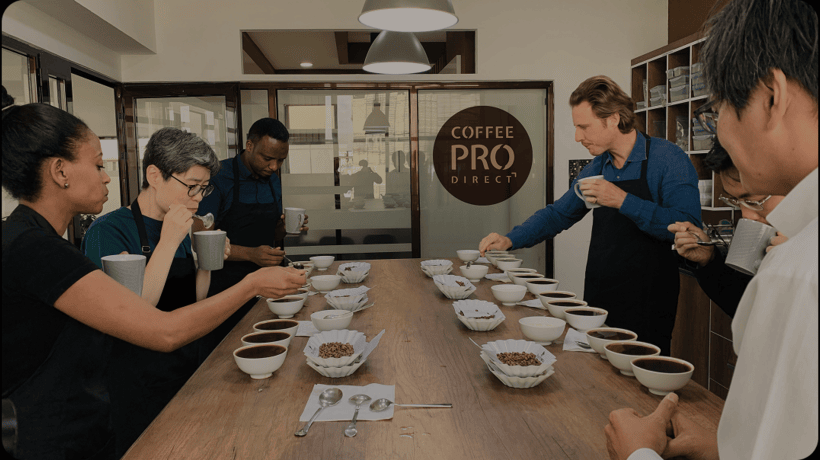
Sample coffee roasters are compact machines designed to roast small quantities of green coffee beans for evaluation and quality testing. Coffee laboratories, exporters, importers, and quality control professionals use them to examine flavor characteristics before making purchasing decisions. A professional coffee roaster designed for sample roasting helps businesses compare different coffee origins, processing methods, and bean varieties. In Vietnam, sample roasting is particularly useful for evaluating Robusta and Arabica coffee lots. It also supports cupping sessions, product development, and quality assessment throughout the coffee supply chain.
Industrial Coffee Roasters
Industrial coffee roasters are designed for businesses requiring higher production volumes and continuous commercial operations. These systems typically provide larger batch capacities, advanced controls, and production-focused configurations. Coffee manufacturers in Vietnam can use industrial equipment to process substantial quantities of green coffee while maintaining consistent roasting standards. Selecting an appropriate professional coffee roaster helps businesses manage increasing customer demand and improve manufacturing efficiency. Depending on production requirements, industrial systems may also include automated feeding, cooling, smoke management, and integrated production controls.
Key Features of a Professional Coffee Roaster
Choosing roasting equipment requires careful attention to technical features that influence performance, consistency, and operating costs. Modern roasting machines offer different control systems, heating arrangements, airflow adjustments, and cooling technologies. These features help operators manage roasting conditions and achieve repeatable results. A high-quality professional coffee roaster should match the business’s production requirements while supporting future expansion. Vietnamese coffee producers should evaluate machine construction, maintenance accessibility, energy consumption, and technical support before purchasing equipment for commercial roasting operations or specialty coffee production facilities.
Temperature Control System
Temperature control is one of the most important features of professional roasting equipment because it directly influences bean development and flavor formation. Accurate temperature monitoring allows operators to manage different roasting stages and repeat successful roasting profiles. Modern machines may include digital controls, temperature sensors, and programmable settings. A professional coffee roaster with reliable temperature management helps Vietnamese coffee businesses maintain consistent production quality. Operators can experiment with different temperature profiles to develop suitable flavor characteristics for Robusta, Arabica, specialty blends, and other coffee products.
Airflow Management
Airflow management influences heat distribution, moisture removal, and the movement of smoke during coffee roasting. Proper airflow helps operators control roasting development while reducing unwanted smoky characteristics. Different coffee varieties and roasting profiles may require adjustments to airflow throughout the process. A professional coffee roaster with adjustable airflow provides greater control over roasting conditions and supports consistent results. For Vietnamese coffee manufacturers, this feature is useful when developing products for different customer preferences, including traditional Robusta coffee, specialty Arabica, espresso blends, and premium roasted coffee.
Cooling System
A cooling system removes heat from roasted coffee beans immediately after the roasting process. Rapid and consistent cooling helps prevent excessive roasting and protects the flavor characteristics developed inside the machine. Commercial roasters commonly use cooling trays with airflow mechanisms to reduce bean temperature efficiently. A professional coffee roaster with an effective cooling system supports better batch consistency and production efficiency. Vietnamese roasting facilities processing multiple batches throughout the working day can benefit from dependable cooling performance, particularly when supplying coffee shops, distributors, exporters, and retail brands.
Digital Roasting Controls
Digital roasting controls allow operators to monitor machine performance and adjust important roasting parameters through an electronic interface. Depending on the model, these systems may provide temperature readings, roasting timers, airflow adjustments, and programmable profiles. A professional coffee roaster with digital controls can make roasting operations more organized and repeatable. Vietnamese coffee manufacturers can use recorded roasting profiles to maintain consistency between batches and train operators more effectively. Digital monitoring also supports product development by helping roasting teams evaluate changes in temperature, time, and airflow.
Benefits of Investing in a Professional Coffee Roaster
Investing in commercial roasting equipment can help coffee businesses improve product quality, production capacity, and operational control. Professional machinery provides more opportunities to experiment with roasting profiles while maintaining repeatable manufacturing processes. For Vietnamese coffee producers, these advantages can support the development of premium products and stronger market positioning. A suitable professional coffee roaster can also reduce dependence on inconsistent roasting methods and help businesses manage growing customer requirements. Selecting equipment according to production goals is an important step toward long-term operational success.
Consistent Coffee Quality
Consistency is essential for coffee brands that want to establish customer trust and maintain product standards. Professional roasting machines allow operators to monitor important parameters and reproduce successful roasting profiles. This helps businesses reduce differences between batches and maintain recognizable flavor characteristics. A professional coffee roaster is especially valuable for Vietnamese manufacturers supplying wholesalers, distributors, coffee shops, and international buyers. Consistent roasting supports dependable product development and makes it easier for businesses to manage quality expectations across different coffee varieties, blends, packaging formats, and distribution channels.
Improved Production Efficiency
Commercial roasting equipment helps businesses process coffee more efficiently by providing suitable batch capacities and organized operating controls. Depending on the machine design, automated functions can reduce manual intervention and improve workflow management. A professional coffee roaster allows Vietnamese coffee manufacturers to coordinate roasting activities with grinding, packaging, storage, and distribution operations. Better production planning can help reduce unnecessary delays and support increasing customer demand. Businesses should select machine capacity according to their expected daily output instead of purchasing equipment based only on maximum specifications.
Better Flavor Development
Roasting transforms green coffee beans into products with distinctive aromas, flavors, and textures. Different roasting profiles can highlight chocolate, nutty, fruity, caramel, and other characteristics depending on bean variety and processing conditions. A professional coffee roaster provides greater control over heat, time, and airflow, allowing operators to develop suitable profiles for different products. Vietnamese producers can experiment with local Robusta and Arabica beans to create differentiated coffee offerings. This flexibility is valuable for specialty brands, premium coffee manufacturers, and businesses targeting international customers.
Applications of Professional Coffee Roasters in Vietnam
Professional roasting equipment serves several industries throughout Vietnam’s coffee supply chain. Coffee producers, exporters, specialty roasters, laboratories, and commercial manufacturers use roasting machines for different operational purposes. The right equipment depends on production capacity, product requirements, and customer expectations. A professional coffee roaster can support both small-scale product development and larger commercial manufacturing operations. As Vietnam continues developing value-added coffee products, suitable roasting technology can help businesses improve quality, expand product ranges, and create stronger opportunities in domestic and international coffee markets.
Coffee Manufacturing Businesses
Coffee manufacturing companies require dependable equipment to transform green coffee beans into roasted products for wholesale, retail, and private-label markets. Professional roasting machines help manufacturers control production parameters and maintain consistent output. A professional coffee roaster can support different product lines, including whole beans, ground coffee, espresso blends, and traditional Vietnamese coffee. Manufacturers should consider daily production targets, available installation space, cooling capacity, and maintenance requirements. Investing in suitable machinery helps Vietnamese coffee factories organize production more effectively and respond to changing market demand.
Specialty Coffee Shops and Roasteries
Specialty coffee businesses focus on bean origin, processing methods, roasting development, and brewing quality. They often require equipment that provides detailed control over small or medium roasting batches. A professional coffee roaster enables specialty roasteries to experiment with different profiles and highlight the unique characteristics of Vietnamese coffee origins. Businesses can develop signature products using selected Arabica and Robusta beans while maintaining repeatable results. This equipment also supports direct customer engagement through fresh roasting, tasting sessions, educational activities, and specialty coffee product development.
Coffee Exporters and Suppliers
Coffee exporters and suppliers need reliable quality evaluation and product consistency to serve international buyers. Roasting equipment helps businesses assess coffee characteristics, prepare samples, and develop roasted products for different markets. A professional coffee roaster can support sample evaluation, commercial production, and product development activities. Vietnamese exporters can use controlled roasting processes to demonstrate the potential of local coffee varieties to overseas customers. Consistent roasting and proper quality management can strengthen buyer confidence and support long-term relationships with importers, distributors, and international coffee brands.
How to Choose the Right Professional Coffee Roaster
Selecting commercial roasting equipment requires an understanding of production goals, budget, available facilities, and expected business growth. Different businesses need different machine configurations, so comparing equipment specifications is essential before making a purchase. A professional coffee roaster should provide suitable batch capacity, dependable controls, efficient operation, and accessible maintenance support. Vietnamese buyers should also consider local installation requirements and the availability of technical assistance. A well-planned equipment investment can help businesses avoid unnecessary expenses while building a reliable foundation for future coffee production.
Determine Your Production Capacity
Production capacity should be one of the first considerations when comparing roasting machines. Small specialty businesses may require compact equipment, while larger manufacturers need machines capable of handling higher daily volumes. Choosing an unsuitable professional coffee roaster can create production bottlenecks or unnecessary operating expenses. Vietnamese businesses should estimate their expected daily output, number of roasting batches, and future customer demand. It is also important to consider cooling time, operator availability, and downstream processing capacity when calculating the total production requirements of a roasting facility.
Evaluate Machine Quality and Materials
Machine construction influences durability, operational stability, and long-term maintenance requirements. Buyers should examine drum materials, frame construction, heating components, insulation, and the quality of electrical or gas connections. A reliable professional coffee roaster should be designed for its intended commercial workload and operating environment. Vietnamese coffee manufacturers should evaluate equipment specifications carefully and request technical documentation before purchasing. Strong construction and accessible replacement parts can support dependable operation. Businesses should also ask suppliers about recommended maintenance schedules, warranties, and available after-sales services.
Consider Energy Efficiency
Energy consumption can influence the long-term operating costs of commercial coffee roasting facilities. Businesses should compare heating systems, insulation, operating requirements, and energy consumption information when evaluating different machines. An energy-efficient professional coffee roaster can help manufacturers manage production expenses while maintaining suitable roasting performance. In Vietnam, buyers should consider available electricity or gas infrastructure and local installation conditions. Evaluating energy requirements before purchasing can help businesses select equipment that fits their facilities, production schedule, and long-term operational budget.
Check Technical Support and After-Sales Service
Technical support is important because commercial roasting equipment requires proper installation, operation, and maintenance. Buyers should confirm whether the supplier provides operating guidance, troubleshooting assistance, spare parts, and warranty support. A professional coffee roaster represents a significant business investment, so dependable after-sales service can help protect equipment performance. Vietnamese manufacturers should communicate with suppliers about installation arrangements, operator training, maintenance procedures, and international service availability. Clear technical documentation also helps employees understand machine functions and operate equipment according to recommended procedures.
Why Choose Coffee Pro Direct for Professional Coffee Roasting Equipment?
Selecting an experienced equipment supplier is an important decision for coffee manufacturers and roasting businesses. Buyers need access to suitable machinery, technical information, product guidance, and dependable communication throughout the purchasing process. Coffee Pro Direct focuses on professional coffee equipment solutions for businesses involved in roasting, laboratory testing, and green coffee processing. Vietnamese coffee companies can explore equipment options according to their production requirements and operational goals. Comparing machine specifications and discussing application needs with the supplier can help buyers identify suitable equipment for their facilities.
Future of Professional Coffee Roasting in Vietnam
Vietnam’s coffee industry continues to create opportunities for businesses interested in specialty products, improved processing, and value-added manufacturing. As customers become more interested in coffee origin and flavor quality, professional roasting technology is becoming increasingly important. A modern professional coffee roaster can help Vietnamese businesses develop differentiated products and improve production consistency. Investments in roasting controls, energy management, and quality evaluation may also support stronger manufacturing operations. Companies that combine suitable machinery with skilled operators and effective quality systems can position themselves for changing domestic and international market requirements.
Conclusion
Investing in a suitable professional coffee roaster is an important step for businesses seeking consistent coffee quality, improved production efficiency, and stronger market opportunities. Vietnam’s established coffee industry offers significant potential for manufacturers, specialty roasteries, exporters, and coffee entrepreneurs developing value-added products. Choosing equipment with appropriate capacity, reliable controls, efficient heating, and dependable technical support can strengthen long-term operations. Coffee Pro Direct provides professional coffee equipment solutions to help businesses explore suitable roasting technology and build efficient coffee production facilities for evolving domestic and international markets.
Frequently Asked Questions
What Is a Professional Coffee Roaster?
A professional coffee roaster is commercial equipment used to roast green coffee beans under controlled conditions. It allows operators to manage temperature, airflow, and roasting time to achieve consistent results. These machines are available in different capacities and configurations for specialty roasteries, coffee laboratories, and manufacturing facilities.
Which Coffee Roaster Is Suitable for a Small Business?
Small businesses generally benefit from compact commercial or sample roasting machines, depending on their production goals. A specialty coffee shop may need a smaller drum roaster, while a laboratory may require equipment designed for sample evaluation.
Why Is Temperature Control Important in Coffee Roasting?
Temperature control helps operators manage the development of coffee beans throughout the roasting process. Changes in temperature influence roasting speed, aroma development, acidity, sweetness, and overall flavor characteristics. Professional machines provide monitoring and adjustment features that help maintain repeatable roasting profiles.
Is Professional Coffee Roasting Equipment Suitable for Robusta Beans?
Yes, professional roasting equipment can process Robusta beans and support different roasting profiles according to product requirements. Vietnamese coffee manufacturers commonly work with Robusta because of its importance in the country’s coffee production industry.
How Do I Maintain a Professional Coffee Roaster?
Regular maintenance helps protect machine performance and maintain consistent roasting quality. Operators should clean the roasting drum, cooling tray, chaff collection system, and accessible airflow components according to manufacturer instructions. They should also inspect electrical connections, heating components, sensors, and ventilation systems at recommended intervals.