






When we talk about a strong core, the first thing that usually comes to mind is toned abdominal muscles. But there is more going on beneath the surface. Your core works like a team, and the pelvic floor is one of its most important members. In pilates instructor certification, understanding how these muscles work together helps instructors guide better movement, improve body awareness, and teach core exercises with more care. It is not just about holding your stomach tight. It is about learning how to support your body from the inside.
Getting to Know the Pelvic Floor
So, what exactly is the pelvic floor? Think of it as a group of muscles sitting at the bottom of your pelvis, almost like a small hammock. These muscles support the bladder, bowel, and other pelvic organs. They also help control pressure inside your abdomen.
You may not think about these muscles during everyday activities, but they are working when you cough, laugh, lift something, or move around. Pretty impressive for a group of muscles we rarely talk about!
In Pilates, we pay attention to these muscles because they help create a stable base for movement. When they work well with the abdominal muscles, diaphragm, and deep back muscles, the body can manage movement and pressure more comfortably.
How the Pelvic Floor Supports Core Stability
Here is where things get interesting. Your core is not simply a collection of muscles that need to stay tight throughout a workout. It needs to respond to what your body is doing.
The pelvic floor works with the diaphragm and deep abdominal muscles to help manage pressure within the trunk. When you lift your legs, bend your spine, or hold a challenging position, these muscles help support your body.
For example, during a Pilates leg lift, your abdominal muscles help control the movement while your pelvic floor contributes to internal support. If these muscles are not coordinating properly, you may notice unnecessary tension, breath holding, or difficulty keeping your pelvis steady.
The goal is not to squeeze everything as hard as possible. It is to find the right amount of support at the right time.
Why Breathing Matters More Than You Think
Have you ever caught yourself holding your breath while trying to finish a difficult exercise? We have all been there!
Breathing plays a big part in pelvic floor coordination. As you inhale, the diaphragm moves downward, and the pelvic floor can gently lengthen. As you exhale, both areas move back toward their resting positions.
This natural movement helps the body manage pressure without creating unnecessary tension.
During Pilates, controlled breathing encourages better coordination between the breathing muscles and the deeper core muscles. It can also make challenging exercises feel less stressful. Rather than forcing your body into a stiff position, you learn to move with more control.
Connecting Pelvic Floor Awareness With Pilates Exercises
The best part is that pelvic floor awareness does not require complicated exercises. Small movements can teach us a lot.
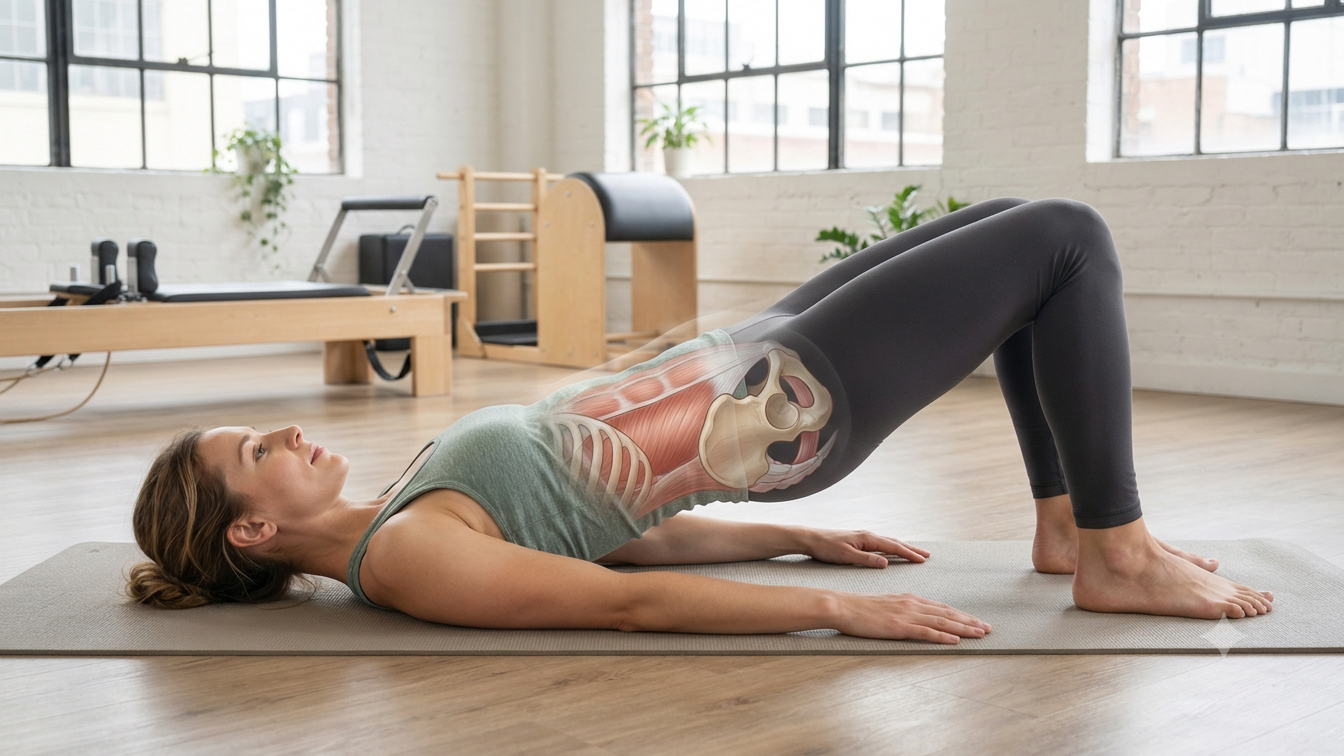
Exercises such as pelvic tilts, bridges, toe taps, and controlled leg slides can help develop awareness of the muscles around the pelvis and abdomen. The focus should be on smooth movement, steady breathing, and keeping unnecessary tension out of the body.
This is also something people can explore through Pilates San Antonio classes, where guided movement can help participants understand their posture, breathing, and core control.
Remember, every body is different. Some people may need to develop more strength, while others may benefit from learning how to relax muscles that are already too tense. More squeezing is not always better.
Common Mistakes to Avoid During Core Training
One common mistake is constantly pulling the stomach inward and squeezing the pelvic floor throughout an entire session. This can create too much tension and make natural breathing difficult.
Another mistake is rushing through exercises. When movements happen too quickly, it becomes harder to notice whether the pelvis is moving smoothly or whether other muscles are taking over.
We should also avoid treating discomfort as a sign of progress. Pain, pelvic pressure, or leaking during exercise should not be ignored. A pelvic health physiotherapist can help identify what is happening and suggest suitable exercises.
Building a Better Connection With Your Core
The pelvic floor may be hidden from view, but its role in Pilates is hard to overlook. It helps support the pelvis, works with the breathing muscles, and contributes to better control during movement.
When we understand this connection, core training becomes less about forcing muscles to work harder and more about helping them work together. And honestly, that is a much better way to move.