







Holiday lighting has come a long way from tangled strands and weekend ladders. Today’s permanent systems stay in the house all year, respond to a phone, and change color in seconds. For homeowners considering an upgrade, knowing which features truly matter makes the decision easier. This guide offers a general overview of what to look for.
Why Smart Lighting Is Changing Home Exteriors
Homeowners want curb appeal without the yearly workload of hanging and removing lights. Permanent systems are fitted along rooflines and eaves, then controlled digitally, so the same fixtures can serve every occasion. This shift appeals to busy families, because decorating becomes a few taps instead of an afternoon outdoors, and the house looks tidy even when the holidays are far away.
What Smart Systems Offer
A modern display is more than a row of bulbs. Well-designed permanent Christmas lights in Toronto combine a clean, custom-fitted look with app control, flexible colors, and dependable performance in cold weather, so homeowners enjoy a polished glow from the first night without climbing a ladder again. The best systems blend into the architecture by day and shine by night.
Control From Your Phone
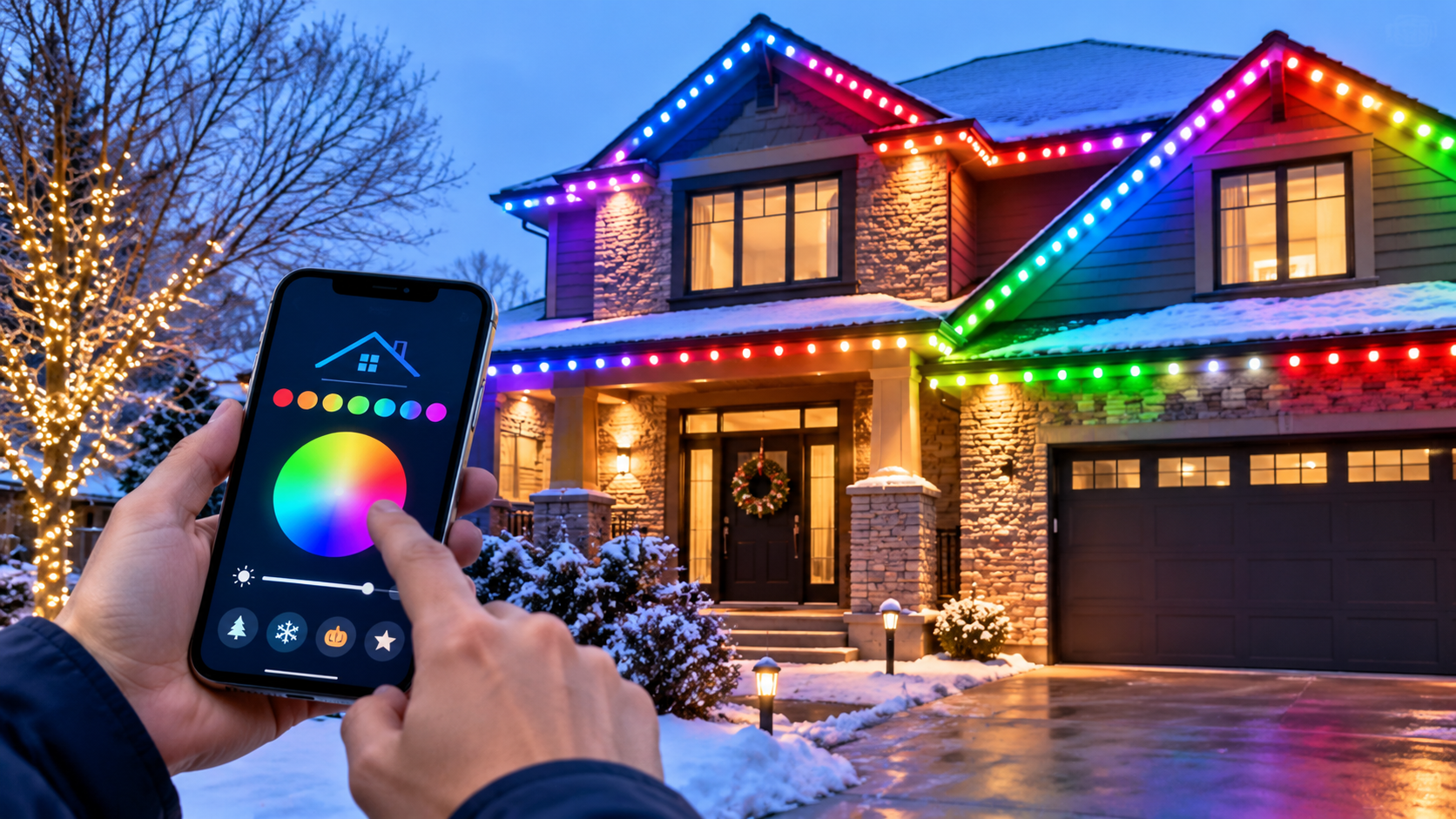
A good app is the heart of a smart system. It lets you adjust brightness, choose colors, and start or stop a display from the couch, the office, or even another city. Look for an interface that feels simple and responsive, and ask whether the provider will walk you through it. A tool you enjoy using is a tool you will actually use.
Built for Cold Canadian Winters
Snow, ice, and sharp temperature swings test every outdoor fixture. Quality weatherproof LED lights are designed to handle moisture, frost, and wind without cracking, fading, or flickering, so the display stays dependable from the first snowfall to the last thaw. Ask the installer what the products are rated for and what care is recommended, since specifications differ between brands.
Set It and Forget It
Convenience grows when the lights run themselves. Reliable automated scheduling can switch the display on at dusk, off at bedtime, and into a festive theme on special dates, with no manual effort. Some systems also let you build separate routines for weekdays and weekends. Ask how schedules are created, how easily they can be changed, and what happens during a power cut.
Colors for Every Mood and Moment
Color options make a permanent system far more versatile than traditional string lights. Flexible color-changing lights let you choose warm white for quiet evenings, red and green for Christmas, orange for Halloween, or team colors on game night. Subtle blends and gentle effects add atmosphere without looking chaotic. Choose a palette that suits your home, and avoid effects that feel too busy for the neighborhood.
Brightness and Spacing That Show Off Your Home
Brightness depends on more than the bulb itself. How closely the lights are spaced, how well they are placed, and how the fixtures sit along the roofline all affect the final look. Ask to see a sample or photos of finished homes, and judge them after dark. A balanced layout highlights architecture instead of overpowering it or leaving dim gaps.
Energy Use and Long-Term Value
LED technology generally uses less power than older incandescent strands, so a display can run for hours without a dramatic jump in the electricity bill. Actual usage depends on the product, how often it runs, and your local rates, so ask your installer for realistic estimates. Think of the system as a long-term upgrade that saves seasonal setup time and effort.
Safety and Professional Wiring
Electrical work outdoors needs care. Professional installers plan wiring, power sources, and connections so the system works safely in rain and snow, and they follow local codes and standards. Ask about certifications, licensing, insurance, and who handles repairs if something stops working. Never attempt risky roof work yourself, since a fixed system exists precisely so that ladders are no longer necessary.
Compatibility With Your Home’s Design
Every house has its own lines, materials, and focal points. Brick, siding, stone, and metal roofing may all need different mounting approaches, and rooflines with steep angles or multiple levels call for careful planning. A good installer measures the property, discusses your preferences, and explains how the track will look in place. Taking time at this stage prevents disappointment later.
Picking a Provider You Can Trust
Quality varies, so the company matters as much as the product. Permanent Christmas lighting in Canada works best when delivered by a team known for neat workmanship, honest quotes, and friendly support after the installation is complete, with a clear plan for how the system will be explained and maintained. Look for local reviews, photos of past work, and a written warranty before signing.
Planning Your Installation Day
Once you have chosen a provider, confirm the schedule, the expected duration, and what access the crew will need. Clear driveways and exterior outlets in advance, and walk the property together to agree on placement. Keep your questions ready for the final demonstration. Ask for written details on warranty, support, and app access. Prices and terms differ, so verify everything directly.
Final Thoughts
Smart permanent lighting rewards homeowners who plan carefully and ask good questions. With the right features, a dependable installer, and realistic expectations, a home can look welcoming through every season with very little yearly effort. Performance and costs vary from one system to another. This article offers general information only, so please confirm product details, pricing, and local requirements directly with your installer.