







Fine lines and wrinkles are a natural part of aging, but some people prefer to reduce their appearance and maintain a smoother facial look. Botox injections are a popular non-surgical cosmetic treatment designed to temporarily relax specific facial muscles responsible for expression lines. botox riyadh may help soften wrinkles around the forehead, between the eyebrows, and near the eyes when administered by a qualified medical professional. Understanding how the treatment works, which areas it can address, and what to expect during an appointment can help individuals decide whether it suits their aesthetic goals.
What Are Botox Injections?
Botox is a brand name for a purified form of botulinum toxin type A, a substance used in controlled medical doses for both cosmetic and medical purposes. In aesthetic treatments, it works by temporarily reducing the activity of selected muscles.
Repeated facial movements, such as frowning, squinting, and raising the eyebrows, can contribute to expression lines over time. When these muscles contract, the skin folds in specific areas. As the skin gradually loses some of its elasticity with age, these lines may become more noticeable.
Botox injections are designed to soften these dynamic wrinkles by limiting the muscle contractions that cause them. The treatment does not remove excess skin or restore lost facial volume. Instead, it focuses on reducing muscle activity in targeted areas.
How Do Botox Injections Work?
Botox works by temporarily blocking the release of acetylcholine, a chemical messenger that helps nerves communicate with muscles. When this communication is reduced, the targeted muscle cannot contract as strongly.
The treatment involves injecting small, carefully measured amounts of the product into selected muscles. As the muscle activity decreases, the skin above it may appear smoother, particularly when the face moves.
Understanding the Muscle-Relaxing Effect
Facial muscles contract whenever a person makes expressions such as smiling, frowning, or concentrating. Repeated contractions can contribute to lines that appear across the forehead, between the eyebrows, and around the outer corners of the eyes.
By temporarily relaxing specific muscles, Botox can reduce the appearance of these expression-related wrinkles. The aim is generally to soften lines while preserving a natural-looking ability to express emotions.
When Do Results Become Noticeable?
Botox does not usually produce an immediate visible change. The muscle-relaxing effect develops gradually over several days, with the full result commonly becoming noticeable within approximately 10 to 14 days.
The duration of results varies according to the treatment area, dosage, individual muscle activity, and personal response. Many patients experience effects lasting around three to four months, although this timeframe is not the same for everyone.
Which Facial Areas Can Botox Treat?
Botox may be used in several facial areas to reduce the appearance of dynamic wrinkles. The treatment plan depends on the patient’s facial anatomy, muscle movement, and desired outcome.
Forehead Lines
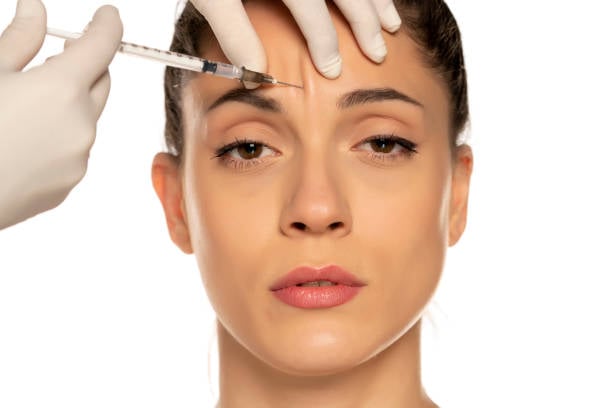
Horizontal forehead lines often develop when people repeatedly raise their eyebrows. Botox can relax selected forehead muscles to soften these lines and create a smoother appearance.
Frown Lines Between the Eyebrows
Vertical lines between the eyebrows may become noticeable when a person frowns or concentrates. These are commonly called frown lines or glabellar lines. Targeted injections can reduce the muscle contractions responsible for their appearance.
Crow’s Feet Around the Eyes
Crow’s feet are fine lines that appear around the outer corners of the eyes, particularly when smiling or squinting. Botox may help soften these expression lines by relaxing the muscles responsible for them.
Other Treatment Areas
Depending on the medical indication and practitioner’s assessment, Botox may also be used for selected concerns such as a gummy smile, chin dimpling, jaw muscle prominence, and certain neck lines. Not every area is suitable for every patient, and treatment requires an understanding of the muscles and surrounding structures.
What Happens During a Botox Appointment?
A Botox appointment generally begins with a consultation. The practitioner reviews the patient’s medical history, discusses aesthetic concerns, and examines facial movements to identify suitable injection sites.
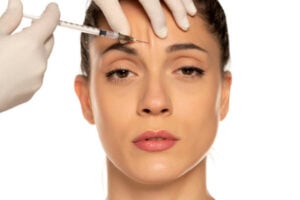
The treatment area is cleaned, and small amounts of Botox are administered using a fine needle. Several injections may be required depending on the areas being treated and the treatment plan.
Most appointments are relatively brief, although the duration depends on the number of areas involved. Patients can usually return to normal daily activities shortly afterward, subject to the practitioner’s aftercare instructions.
Who May Be a Suitable Candidate?
Adults who want to reduce the appearance of expression lines may be suitable candidates for Botox. However, treatment is not appropriate for everyone.
A medical professional may consider factors such as:
- The type and severity of facial wrinkles
- Overall health and medical history
- Previous experience with injectable treatments
- Allergies or sensitivity to treatment ingredients
- Pregnancy or breastfeeding status
- Certain neuromuscular conditions or medications
People with certain medical conditions may need to avoid treatment or receive additional medical evaluation. A consultation helps establish whether Botox is a suitable option and what results may realistically be expected.
Possible Side Effects and Safety Considerations
Botox is generally well tolerated when administered appropriately by a qualified and experienced medical professional. However, temporary side effects can occur.
Common reactions may include mild redness, swelling, tenderness, or bruising around the injection sites. Some patients may experience a temporary headache or discomfort after treatment.
Less common complications can include eyelid or eyebrow drooping, facial asymmetry, or unwanted changes in muscle movement. Rarely, botulinum toxin effects can spread beyond the injection area and cause serious symptoms such as difficulty swallowing, speaking, or breathing. Such symptoms require immediate medical attention.
Choosing an appropriately qualified practitioner, providing a complete medical history, and following aftercare instructions are important safety considerations.
How to Maintain Botox Results
Botox results gradually wear off as normal nerve-to-muscle communication returns. Patients who wish to maintain the effect may discuss future appointments with their practitioner.
It is important not to schedule repeat injections more frequently than medically recommended. A personalized treatment plan should consider muscle activity, previous results, and individual needs rather than following a fixed schedule.
Healthy skincare habits, sun protection, adequate hydration, and avoiding smoking can also support overall skin health, although these habits do not replace the muscle-relaxing effects of Botox.
Explore Botox Treatment Options at Royal Clinic Saudia
Understanding the treatment process, expected results, and possible risks can help individuals make confident decisions about facial rejuvenation. At Royal Clinic Saudia, patients can discuss their aesthetic concerns and receive professional guidance based on their facial features and treatment goals. A personalized consultation can help determine whether Botox Injections in Riyadh are suitable for softening expression lines while maintaining a natural-looking appearance.