






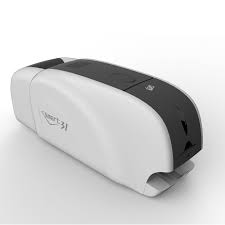
Smart Printers Price in Pakistan
Smart card printers have become an important tool for organizations that need secure, reliable, and professional identification cards. Businesses, schools, universities, hospitals, and other institutions use these printers to create cards for employees, students, members, and authorized visitors. If you are researching the Smart printers price in Pakistan, understanding the available features and printing capabilities can help you choose the right equipment for your requirements.
Smart card printing involves more than placing a name or photograph on a plastic card. Depending on the application, a card may also contain a chip, magnetic stripe, barcode, or other identification feature. The printer and any required encoding equipment must be suitable for the type of card being produced.
Choosing the right machine starts with understanding how your organization plans to use its cards. Some businesses need basic photo identification, while others require smart cards that work with compatible access control, attendance, or membership systems. By comparing printer capabilities and considering future requirements, you can select a solution that supports your daily operations.
What Are Smart Card Printers and How Do They Work?
A smart card printer is a specialized machine used to print designs, photographs, text, and identification details on compatible plastic cards. Depending on its specifications, the machine may also support encoding technologies that allow a card to communicate with a compatible reader or system.
Most card printers use direct-to-card dye-sublimation or resin-based printing methods, while some models use retransfer technology. The suitable method depends on the required print quality, card surface, design, and intended application. These printers are designed to produce clear and consistent results for professional identification purposes.
It is important to understand that printing and encoding are not always the same function. A printer may produce a visually complete card without being able to encode its chip or magnetic stripe. Organizations that require electronic functionality should check whether the selected model includes the necessary encoding module or requires separate compatible equipment.
Factors That Influence Smart Printers Price in Pakistan
The price of a smart card printer depends on its technology, specifications, available features, and intended workload. A basic machine designed for routine identification cards will have different capabilities from an advanced model used for secure card production.
Printing resolution is one factor to consider because it affects the clarity of photographs, text, logos, and other design elements. Printing speed also matters when an organization needs to produce many cards within a short period. Businesses should assess their expected workload before choosing a machine.
Single-sided and dual-sided printing options can also affect the decision. Some printers produce designs on one side of the card, while other models can automatically print on both sides. Additional capabilities, such as contact smart card encoding, contactless encoding, or magnetic stripe encoding, may require specific hardware and software.
When comparing Smart Printers Price in Pakistan, review the complete specifications instead of choosing a machine based on its name alone. This helps ensure that the printer can perform the tasks your organization actually requires.
Single-Sided Smart Card Printers for Daily Identification
Single-sided printers are suitable for organizations that need to print identification information on one side of a card. They can be useful for offices, schools, training centers, small businesses, and organizations with straightforward card printing requirements.
A typical identification card may contain a person’s photograph, name, employee or student number, and organization logo. A single-sided printer can handle these requirements when the card design does not need additional information on the reverse side.
These machines can also be a practical choice for businesses that are beginning an in-house card printing process. Before selecting a model, consider the number of cards you expect to produce, the supported card thickness, the required print quality, and the availability of compatible ribbons.
If your organization expects to print additional information on the reverse side or needs a more advanced card layout, a dual-sided model may be more appropriate.
Dual-Sided Smart Card Printers for Detailed Card Designs
Dual-sided smart card printers allow organizations to print information on both sides of a compatible card. This can be useful when the available space on one side is not enough for all the required details.
For example, an office may place the employee’s photograph and name on the front while using the back for company information, instructions, or additional identification details. Educational institutes may use the reverse side for relevant student information or other administrative purposes.
Automatic dual-sided printing can reduce manual handling and help maintain consistency when producing large batches of cards. However, organizations should consider whether they genuinely need this function before selecting a model with additional capabilities.
The printer’s supported card types, software compatibility, printing speed, and encoding options should also be reviewed. Selecting a suitable machine can help improve workflow and make card production more convenient.
Smart Card Printers for Schools and Educational Institutes
Educational institutes use identification cards to help manage student and staff identification. A smart card printer can produce customized cards containing photographs, names, registration numbers, and institutional branding.
Depending on the institute’s requirements, cards may also support compatible library systems, attendance applications, or access control arrangements. These functions require suitable card technology, encoding capabilities, readers, and supporting software. Printing a card alone does not automatically provide electronic access or attendance functionality.
Schools and universities should consider their enrollment size, card replacement needs, and expected printing volume. An institute that prints cards occasionally may have different requirements from a university that regularly prepares cards for students, employees, and visitors.
Software integration is another important consideration. A suitable printing solution should allow authorized staff to prepare card layouts, manage information, and print cards efficiently. This can make the identification process more organized and reduce repetitive manual work.
Smart Printers for Employee Identification and Access Control
Companies often use smart cards to support employee identification and manage access to selected areas. A card may display the employee’s name and photograph while also containing electronic information used by a compatible access control system.
The technology required depends on the application. Some systems use contactless cards, while others rely on contact smart cards or magnetic stripes. Before purchasing a printer, businesses should confirm which card technology their existing system supports.
Encoding capabilities are particularly important for access control projects. The selected printer must support the relevant encoding method, and the cards must be compatible with the readers and software used by the organization. In some cases, additional modules or separate encoding equipment may be necessary.
Businesses should also consider how cards will be managed throughout their lifecycle. Procedures for issuing new cards, replacing lost cards, and removing access permissions can help maintain better control over the identification system.
Important Features to Check Before Buying a Smart Printer
Choosing a smart card printer requires careful attention to the features that affect daily use. Printing resolution, supported card dimensions, input capacity, connectivity, and printing speed can all influence how well a machine fits your workplace.
The type of encoding supported by the printer is equally important. If you need contact chips, contactless technology, or magnetic stripe functionality, verify the exact specifications rather than assuming that every smart card printer supports all these options.
Consumables should also be considered. Compatible ribbons, cleaning supplies, and replacement parts are necessary for ongoing operation. Following the manufacturer’s cleaning instructions and using suitable materials can help maintain print quality and reduce avoidable equipment problems.
Software is another key part of the process. Check whether the printer works with your operating system, card design software, and any database or identification management platform your organization uses. Warranty coverage and access to technical assistance are also useful factors when evaluating different models.
Retransfer Printing Technology for Specialized Applications
Retransfer printing is an option used in certain professional card printing environments. Unlike direct-to-card printing, which applies the image directly to the card surface, retransfer technology first prints the image onto a special film before transferring it to the card.
This method can support detailed designs and may be useful for compatible cards that require edge-to-edge printing. It can also provide flexibility when working with certain card surfaces that are less suitable for direct-to-card printing.
However, retransfer printers use their own consumables and have different operating requirements. Organizations should evaluate the card types, print quality, production volume, and maintenance needs before selecting this technology.
The most suitable printer is the one that matches the actual application. A business printing standard employee badges may not need the same technology as an organization producing more specialized identification cards.
Why Choose Timeandxcess for Smart Card Printers?
Timeandxcess helps businesses and institutions explore smart card printing equipment according to their identification and card production needs. Choosing the right machine begins with understanding the type of cards you want to produce and the functions those cards must support.
A small company may require a straightforward printer for employee identification, while a large educational institute may need dual-sided printing or compatible encoding capabilities. A professional card printing business may have additional requirements for production speed, design flexibility, and consistent print quality.
Timeandxcess can help you explore suitable printer options and understand the differences between available features. Before selecting a model, confirm its supported card technologies, printing method, encoding functions, consumable requirements, and software compatibility.
A careful selection process helps ensure that your equipment supports your current operations and can accommodate reasonable changes in your card printing requirements.
How to Select the Best Smart Card Printer for Your Needs
The best smart card printer depends on your organization’s daily requirements, technical setup, and expected printing volume. Start by identifying the types of cards you need, the information that must appear on them, and whether they require electronic encoding.
Next, review the available printing technologies and compare the functions that matter most to your application. Consider whether single-sided printing is sufficient, whether dual-sided printing would improve your workflow, and whether the machine supports your existing card system.
It is also important to understand the ongoing requirements of the printer. Software updates, cleaning, compatible ribbons, replacement parts, and technical support can all affect long-term usability. A machine with suitable specifications and dependable support is generally a better choice than one selected on the basis of a single feature.
Find the Right Smart Printers in Pakistan for Your Organization
Smart card printers help organizations create professional identification cards and support compatible electronic card applications. From employee badges to student identification and access control cards, the right printing solution can make card production more consistent and convenient.
When researching Smart Printers Price in Pakistan, compare the machine’s printing technology, speed, encoding features, software compatibility, and ongoing maintenance requirements. These details will help you understand which model is appropriate for your organization.
Timeandxcess can help you explore smart card printer options suited to your intended application. Take time to review your requirements, confirm technical compatibility, and choose a solution that supports your organization’s everyday identification needs and future plans.