




Food packaging paper is a daily essential for many Australian cafés, bakeries, takeaway restaurants, and food retailers. It helps staff prepare orders, keeps serving areas organised, and contributes to how customers experience a business. From wrapping a toasted sandwich to lining a food basket, the right paper can make food presentation more consistent and convenient.
Not all food papers perform the same way. Greaseproof paper is chosen for suitable foods that release oil, parchment paper is commonly associated with baking and heat-related applications, and food basket liners help present selected meals while making serving and cleanup easier. Understanding these differences helps businesses choose materials that suit their menu and working environment.
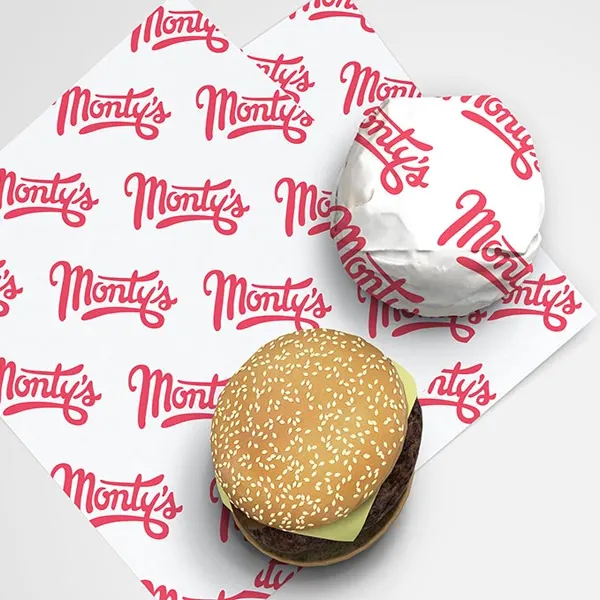
For businesses serving burgers, pastries, fried foods, or other suitable takeaway items, Custom Printed Greaseproof Paper can combine functional wrapping with brand presentation. Printed sheets featuring a repeating logo or simple design can help create a consistent look across counter orders and takeaway meals. Before selecting a paper, check its specifications to ensure it suits the food, temperature, and level of grease or moisture involved.
Greaseproof Paper for Busy Food Service
Greaseproof paper can be useful when serving foods that leave oily marks on ordinary paper. Depending on its specification, it may be suitable for wrapping selected burgers, pastries, sandwiches, and bakery products. It can also be used for certain serving and lining applications where grease resistance is needed.
For cafés and takeaway businesses, packaging needs to work quickly during busy periods. Sheet dimensions should suit common portions, and the paper should fold easily without tearing or becoming difficult to handle. A suitable material can help keep the customer’s hands and serving area tidier, although performance varies between products and should be confirmed with the supplier.
Custom printing adds another opportunity for branding. A small repeating logo, simple pattern, or limited colour palette can make packaging recognisable without distracting from the food. Designs should be planned around the way sheets are folded or placed in trays so the artwork remains visible in use.
Parchment Paper for Baking Applications
Parchment paper is often used in baking because suitable products can help prevent food from sticking to baking trays and pans. Bakeries, cafés, and food producers may use it when preparing cookies, pastries, and other baked goods. However, not every paper described as parchment has the same heat tolerance or coating, so businesses should follow the manufacturer’s instructions for the exact product.
When choosing Custom Printed Parchment Paper, consider whether it will be used in an oven, for food wrapping, or for another purpose. These applications can require different material specifications. Check the stated temperature limits and confirm whether the paper is suitable for direct contact with the food being prepared.
Printing and presentation should also be considered carefully. For paper intended for baking, suitability for the intended temperature and food-contact conditions comes first. If custom branding is required, ask the supplier whether the particular paper and printing process are designed for that application. This avoids selecting a visually attractive product that may not be appropriate for the intended task.
Food Basket Liners for Cafés and Restaurants
Food basket liners are commonly used to line serving baskets and trays for suitable burgers, chips, sandwiches, and casual meals. They can create a cleaner presentation, help manage small amounts of food residue, and provide a convenient surface for serving. The right liner depends on the type of food, the serving temperature, and whether grease or moisture resistance is needed.
Businesses looking to coordinate their serving presentation can explore Custom Printed Food Basket Liners. A printed liner can help carry a brand’s identity from the menu and signage to the food itself. Repeating graphics are often practical because they remain visible even when part of the sheet is covered by a meal.
The liner should still be selected for its function. A dry snack and a hot, oily meal may need different paper properties. Check the supplier’s guidance on grease resistance, temperature, and direct food contact before choosing a product. Also consider the size of the basket or tray so the liner sits neatly without excessive overhang.
Create Consistent Packaging Across Your Menu
A business may need several paper types for different stages of food preparation and service, but the overall design can remain consistent. Using the same logo, typography, and brand colours across wrapping sheets, baking paper, and basket liners helps customers recognise the business in different settings.
Keep artwork simple enough to work across different sheet sizes. Small repeated elements can suit liners and wraps, while a more restrained layout may be preferable for paper used during food preparation. Test a sample with the actual tray, basket, or wrapping method before finalising the design. This helps identify whether the paper folds well and whether the branding remains visible.
Businesses should also review ordering quantities and storage needs. Pre-cut sheets may make service easier, while rolls can suit some preparation processes. The right format depends on the volume of food served, staff workflow, available storage, and the paper’s intended use.
Choose Food-Safe Paper for Its Intended Use
Australian food businesses must use packaging that is fit for its intended purpose and unlikely to contaminate food. Food Standards Australia New Zealand advises businesses to consider the type of food, contact time, temperature, humidity, and any heating or storage conditions when selecting packaging.
Before ordering, confirm whether the paper is suitable for direct food contact and whether its coating, printing, and material can handle the conditions it will encounter. Store unused paper in a clean, dry place and protect it from contamination. If the paper will be exposed to oven temperatures or hot, oily foods, check the manufacturer’s instructions rather than relying on the product name alone.
Testing a sample before placing a larger order can help staff assess the paper’s performance during normal service. This practical step makes it easier to choose packaging that fits both the menu and the business’s daily workflow.
FAQs
What is the difference between greaseproof paper and parchment paper?
Greaseproof paper is selected for suitable applications where resistance to grease is important. Parchment paper is commonly used for baking and may have specified heat resistance. Their properties vary by product, so check the intended use before choosing one.
Can food basket liners be custom printed?
Some food basket liners are available with custom printing. Businesses should confirm the available sizes, print options, and suitability for their food and serving conditions.
What should Australian businesses check before ordering food paper?
Check the paper’s intended application, food-contact suitability, dimensions, grease or moisture resistance, and temperature limits. For printed products, confirm that the printing process is suitable for the intended use.
Conclusion
Greaseproof paper, parchment paper, and food basket liners each serve different roles in food preparation and presentation. For Australian cafés, bakeries, and takeaway businesses, the best choice depends on the menu, handling process, and conditions the paper must withstand. By checking product specifications and using consistent branding, businesses can select food paper that supports practical service and a recognisable customer experience.