





Choosing the Right South Africa Safari Season
Planning a safari in South Africa is an exciting experience, but choosing the right time to visit can make a significant difference to your journey. The country offers incredible wildlife encounters throughout the year, from spotting lions and elephants in the bush to photographing giraffes against golden grasslands. However, the landscape, weather, and wildlife-viewing conditions change with the seasons.
The main decision for many travelers is whether to visit during the dry season or the green season. Each has its own advantages, depending on your interests, budget, and preferred travel experience.
Understanding the South Africa safari season helps you make informed choices about destinations, accommodation, activities, and travel dates. Whether your priority is spotting the Big Five, capturing beautiful photographs, enjoying peaceful surroundings, or experiencing nature at its most vibrant, the right timing can make your adventure even more rewarding.
Understanding South Africa’s Dry and Green Seasons
South Africa’s seasons are generally opposite to those in Europe and North America. Summer typically runs from November to March, while winter lasts from June to August. However, safari conditions vary by region, so it is important to consider the destination as well as the calendar.
In many popular safari areas, including Kruger National Park and surrounding private reserves, the dry season usually extends from approximately May to September. During these cooler months, rainfall is limited, vegetation becomes thinner, and water sources become increasingly important to wildlife.
The green season generally runs from November to March, bringing warmer temperatures, summer rainfall, and lush vegetation. The bush becomes greener, rivers and waterholes may fill, and many animals benefit from fresh grazing.
Neither season is automatically better. The dry season often offers easier wildlife spotting, while the green season provides vibrant scenery, seasonal wildlife activity, and a different atmosphere.
Dry Season: Excellent Conditions for Wildlife Viewing
For travelers whose main goal is to see as many animals as possible, the dry season is often an excellent choice. With less vegetation blocking the view, guides may find it easier to spot wildlife moving through the bush.
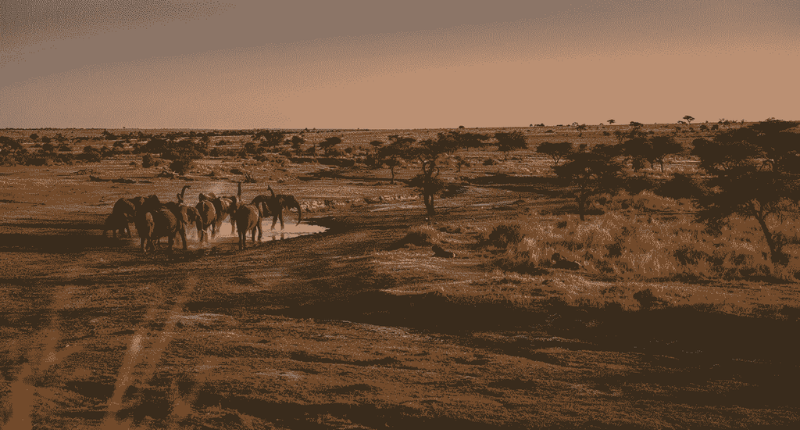
As natural water sources become scarcer in many areas, animals may gather around rivers, dams, and waterholes. These locations can provide rewarding opportunities to observe elephants drinking, antelope grazing, or predators waiting nearby.
The cooler mornings and evenings can also make game drives comfortable, although winter nights and early mornings may be surprisingly cold. Packing layers is essential, especially for open safari vehicles.
Another advantage is the generally lower rainfall across many northern safari areas. This can make roads easier to navigate and help travelers enjoy consistent outdoor activities.
However, the dry season is popular, particularly during European summer holidays. Accommodation in sought-after private reserves and popular safari areas can book up early, and prices may be higher during peak travel periods.
For visitors prioritizing wildlife viewing in South Africa, especially their first Big Five safari, the dry season is often a reliable starting point.
Green Season: Lush Landscapes and Unique Wildlife Encounters
The green season offers a different kind of safari magic. Summer rains transform dry landscapes into vibrant green environments, creating beautiful scenery for photography and nature enthusiasts.
This is an especially rewarding period for birdwatching, as migratory birds arrive in many areas. Colorful species, active birdlife, and dramatic summer skies can make game drives feel very different from those during the dry months.
The green season also coincides with the birth of many herbivore species in some safari regions. Young animals attract attention, and their presence can create opportunities to observe natural behaviors and predator-prey interactions. These events are governed by local ecological patterns rather than a fixed schedule, so sightings are never guaranteed.
Photographers often appreciate the lush vegetation, rich colors, and dramatic light after summer rain. The scenery can be particularly striking when storm clouds gather over the savannah.
There are trade-offs, however. Thick vegetation can make some animals harder to see, while heavy rainfall may occasionally affect road conditions or disrupt planned activities. Heat and humidity can also be more noticeable in certain regions.
For travelers who value landscapes, birdlife, photography, and a quieter atmosphere in selected destinations, the green season can be an outstanding choice.
Wildlife, Photography, and Safari Costs: What Changes?
The difference between seasons is not simply about the amount of rainfall. It affects the entire safari experience.
During the dry season, sparse vegetation and concentrated water sources can make larger mammals easier to locate. Photographers may find it simpler to capture unobstructed images, particularly near waterholes.
During the green season, wildlife can spread across a wider area because water and grazing are more readily available. Although animals may be harder to spot in dense vegetation, the environment offers beautiful colors, newborn wildlife in some regions, and excellent birdwatching opportunities.
Costs also depend on timing. The dry season often attracts strong demand, especially during popular holiday periods. The green season may offer better-value accommodation or special offers in some lodges, but this varies by property, destination, and travel dates.
When comparing options, consider the complete itinerary rather than accommodation prices alone. Transfers, internal flights, park fees, guided activities, and the number of nights spent on safari all influence the total cost.
Thoughtful South Africa safari planning means balancing your preferred wildlife experiences with seasonal conditions and your overall budget.
Which South Africa Safari Season Is Best for You?
The best season depends on what you want to experience.
Choose the dry season if you prefer cooler conditions in many northern safari areas, thinner vegetation, and potentially easier sightings of large mammals. It is particularly suitable for travelers planning a classic Big Five safari or visiting South Africa for the first time.
Choose the green season if you enjoy lush scenery, dramatic skies, birdwatching, and the possibility of seeing young animals. It can also appeal to travelers seeking a different perspective on the African bush or looking for seasonal accommodation offers.
Remember that South Africa has diverse climates. The Western Cape, for example, experiences a Mediterranean climate, with wet winters and dry summers, unlike the summer-rainfall pattern typical of much of the country’s northern interior. If your itinerary includes Cape Town, the Garden Route, or other regions beyond the main safari areas, consider their seasonal conditions separately.
The right South Africa safari season is therefore the one that fits your priorities and the specific places you plan to visit.
Conclusion: Plan Your Safari Around Your Priorities
Both the dry and green seasons offer unforgettable opportunities to experience South Africa’s wildlife and landscapes. The dry season often makes large mammals easier to spot, while the green season brings renewed vegetation, excellent birdlife, and beautiful photographic settings.
Before booking, research the weather patterns in your chosen destination, compare accommodation availability, and discuss your wildlife priorities with an experienced safari planner. Booking popular lodges early is especially helpful if you plan to travel during peak demand.
Ultimately, there is no single perfect month for every traveler. By understanding seasonal differences and planning around your interests, you can create a safari that feels personal, rewarding, and memorable, whatever time of year you visit.