



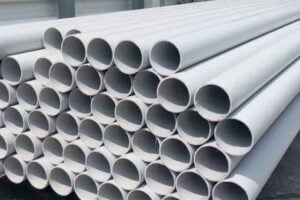



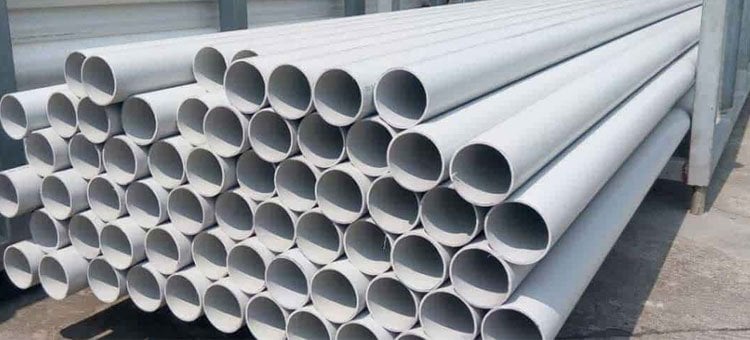
SS 310 seamless pipes for high-temperature applications in chemical processing industries ensure outstanding oxidation resistance. Furnaces, reformers, and thermal-processing lines push sustained temperatures past 1000°C while exposing the metal to oxidizing atmospheres and corrosive process streams. Ordinary stainless grades scale, lose strength, and fail under that combination. Stainless Steel 310 Seamless Pipes answer this duty with a high chromium-nickel austenitic alloy built for heat, carrying oxidation resistance to roughly 1150°C in continuous service. These pipes are used in selected high-temperature process lines where conventional stainless steel grades may not provide the required service life.
What Are Stainless Steel 310 Seamless Pipes?
Stainless Steel 310 seamless pipes are high-temperature austenitic pipes made from Grade 310 steel, which carries 24 to 26% chromium and 19 to 22% nickel. Its high chromium and nickel content provides oxidation resistance and helps maintain the austenitic structure at elevated temperatures. Seamless manufacture starts from a solid billet, pierced and drawn into pipe without a welded seam, so there is no weld line to weaken under thermal stress or pressure. Against conventional grades like 304 or 316, Grade 310 trades some ambient corrosion focus for far higher heat tolerance. Selecting the material for elevated-temperature service matters because strength, oxidation resistance and structural stability all fall away fast once a lesser grade passes its limit.
Key Properties of SS 310 Seamless Pipes
SS 310 seamless pipes earn their place in hot service through a specific set of properties.
- High-temperature oxidation resistance: the grade resists scaling in air to around 1040°C intermittent and 1150°C continuous service.
- Chromium and nickel content: 24 to 26% chromium builds the protective oxide layer, while 19 to 22% nickel stabilises the austenite at temperature.
- Mechanical performance at heat: the alloy keeps useful strength and creep resistance at elevated temperatures where leaner grades soften.
- Resistance to selected corrosive environments: the high chromium handles many oxidising process media, though not every chemical.
- Seamless construction: the absence of a weld seam suits pressure-containing applications, removing the seam as a failure point under combined heat and pressure.
No single grade suits every hot environment, so the process chemistry still has to be matched to Grade 310 rather than assumed.
Why Stainless Steel 310 Pipes Are Suitable for Chemical Processing
Stainless Steel 310 pipes suit chemical processing because they hold their structure in the sustained high heat these plants generate. Thermal processing equipment and furnace-related applications run continuously hot, and the grade’s oxidation resistance keeps the pipe wall from scaling away over those long campaigns. At elevated temperatures, chromium promotes the formation of a protective oxide layer that slows further oxidation. Its effectiveness depends on the atmosphere, temperature, and exposure conditions. The process medium, the temperature and the pressure still have to be assessed together before selection, since a reducing or sulphidising atmosphere, or a specific corrosive, can change what the grade can take. Matching those conditions to the pipe is the step that prevents an early failure.
Industrial Applications of Stainless Steel 310 Seamless Pipes
Stainless Steel 310 seamless pipes serve across industries that run sustained high-temperature processes.
- Chemical Processing Plants: selected high-temperature process lines and equipment exposed to hot, oxidising streams.
- Petrochemical Facilities: piping that runs at elevated temperatures under suitable service conditions.
- Furnaces and Heat Treatment Equipment: high-temperature piping and associated components inside and around the furnace.
- Thermal Processing Systems: applications involving sustained heat exposure over long operating campaigns.
- Industrial Heating Equipment: selected connections and process piping systems carrying hot media.
Each application still depends on the exact temperature, pressure and medium, so the grade fits where its properties match the duty rather than everywhere heat is present.
ASTM A312 TP310 Seamless Pipes: Standards and Specifications
ASTM A312/A312M is the specification that governs seamless, welded and heavily cold-worked austenitic stainless steel pipe, including TP310. Confirming Grade 310 and the required product form is the first check, since the standard covers several grades and forms under one umbrella. Pipe dimensions, wall thickness, schedule and tolerances all have to be verified against the design, because a hot line sized wrong fails on stress before it fails on corrosion. Chemical composition and mechanical properties need confirming against the grade requirements. Material test certificates, heat-number traceability and the project-specific inspection requirements close the loop, proving the pipe that arrives is the grade the design called for rather than a visually similar substitute.
How to Choose the Right Industrial Stainless Steel 310 Pipes
Choosing the right industrial Stainless Steel 310 pipes starts with the operating temperature and pressure the line will carry. Work through the process fluid composition and any corrosive exposure beyond the heat itself. Set the pipe diameter, wall thickness and schedule from the design loads and flow. Account for thermal cycling and the operating conditions, since repeated heating and cooling stresses a pipe differently from steady heat. Check the applicable standards and project specifications. Manufacturers such as Zhejiang Xintongda Special Steel Manufacturing Co., Ltd. (XTD) provide Stainless Steel 310 seamless pipes with material test certificates and traceability documentation to support grade verification and procurement requirements.
Conclusion
Grade 310 earns its place in selected high-temperature chemical processing applications through oxidation resistance to around 1150°C, heat-stable mechanical strength and seamless construction that holds up under combined heat and pressure. The grade is not a universal answer; matching the pipe to the process environment and the operating conditions is what makes it perform. Before purchasing, verify the specification, the governing standard and the material documentation so the pipe that reaches the plant is genuinely fit for the heat it will face.