






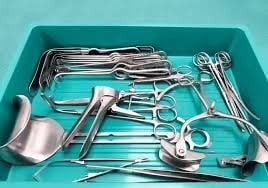
Understanding the Importance of Surgical Instruments in Pakistan
Surgical instruments in Pakistan play an important role in hospitals, medical centres, clinics, and healthcare facilities. These tools help surgeons and medical professionals perform different procedures with accuracy, care, and control. From simple medical examinations to complex operations, the right instruments are essential for supporting safe and effective healthcare. As the healthcare sector continues to develop, the need for reliable surgical tools is also growing across the country.
Surgical instruments are specially designed for cutting, holding, gripping, stitching, and examining body tissues during medical procedures. Each instrument has a specific purpose, and healthcare professionals select the appropriate tools according to the type of treatment. Quality instruments help medical teams work efficiently while maintaining proper control throughout a procedure. Their design, material, finishing, and durability all contribute to their usefulness in clinical settings.
Growing Demand for Surgical Instruments in Pakistan
The demand for surgical instruments in Pakistan is connected to the growing needs of hospitals, private clinics, surgical centres, and medical education institutions. Healthcare providers require dependable tools for routine treatments, emergency procedures, and specialised operations. As medical services become available to more people, healthcare facilities need instruments that can support different types of surgical work.
Public and private hospitals use a wide range of instruments in departments such as general surgery, orthopaedics, dentistry, gynaecology, and ear, nose, and throat care. Each department requires tools designed for particular medical tasks. This creates a need for a diverse selection of instruments that meet professional requirements and support the daily activities of medical staff.
The growing focus on healthcare standards has also increased attention to instrument quality. Hospitals and clinics look beyond appearance when selecting surgical tools. They consider performance, ease of handling, cleaning requirements, and the ability of an instrument to withstand repeated use when it is designed for reuse.
Different Types of Surgical Instruments Available in Pakistan
Surgical instruments are available in many designs to meet the needs of different medical procedures. Cutting instruments, such as surgical scissors and scalpels, help professionals make controlled cuts during operations. Their sharpness, balance, and handling characteristics are important for performing precise work.
Grasping and holding instruments are used to secure tissues, materials, or other objects during a procedure. Forceps and tissue-holding tools are common examples. Their shape and grip vary according to the task they are designed to perform. Selecting the correct instrument helps medical professionals maintain control while working.
Clamping instruments are used when a procedure requires a firm hold on particular tissues or structures. Retractors help keep an operating area accessible by moving tissues aside. Needle holders support the handling of surgical needles during suturing, while probes and dilators serve other specialised purposes. Together, these instruments help medical teams carry out different stages of a procedure in an organised manner.
Surgical Instruments Manufacturers and Suppliers in Pakistan
Manufacturers and suppliers are an important part of the surgical instruments industry in Pakistan. Manufacturers focus on producing instruments according to defined designs and quality requirements, while suppliers help connect healthcare facilities with the products they need. Both play a role in making medical tools accessible to hospitals, clinics, distributors, and other healthcare organisations.
When choosing a manufacturer or supplier, buyers should consider product consistency, material information, manufacturing processes, and quality control practices. Clear communication is also important, particularly when a healthcare facility needs specific instrument designs or instruments for a specialised department. Reliable product information helps buyers make informed decisions.
Suppliers may offer individual instruments, specialised sets, and products for different medical fields. However, availability can vary between providers. Healthcare organisations should confirm that the instruments they select meet the requirements of their intended use and any applicable medical standards. A careful purchasing process can help reduce problems caused by unsuitable or poorly finished tools.
The Role of Sialkot in Pakistan’s Surgical Instruments Industry
Sialkot is widely recognised for its manufacturing expertise, including the production of surgical instruments. The city has developed a strong industrial background supported by skilled workers, specialised workshops, and businesses involved in medical instrument production. This experience has helped establish Sialkot as an important centre for the surgical instruments industry in Pakistan.
The production process requires attention to detail at every stage. Depending on the instrument, manufacturing may involve shaping metal, forming components, grinding, polishing, assembling, and inspecting the finished product. Skilled workmanship helps create instruments with suitable shapes, balanced handling, and properly finished surfaces.
Manufacturers must also pay attention to consistency between individual products. Instruments used in professional healthcare settings need to match their intended design and function. Careful inspection and controlled manufacturing practices help businesses identify defects and maintain consistent product quality. Continued investment in skills, equipment, and quality systems can support the long-term development of this industry.
Materials Used in Surgical Instruments
Material selection is an important part of surgical instrument manufacturing. Stainless steel is commonly used because it can offer corrosion resistance, strength, and suitability for many reusable medical applications. Different grades of stainless steel have different properties, so the appropriate material depends on the instrument’s design and intended use.
Some specialised instruments may use other materials or combine metal components with materials selected for particular functions. Regardless of the material, the finished instrument must be suitable for its intended clinical environment. Surface quality, structural strength, resistance to wear, and compatibility with the required cleaning process are important considerations.
Good material selection alone does not guarantee a reliable instrument. Manufacturing methods, finishing, inspection, storage, and maintenance also affect performance. Healthcare providers should review relevant product information and follow the manufacturer’s instructions to help maintain instruments in suitable condition.
Quality Standards and Safety in Surgical Instruments in Pakistan
Quality and safety are essential when selecting surgical instruments in Pakistan. Medical professionals depend on instruments that perform as intended and can be handled with confidence. Poorly made tools may have rough surfaces, weak joints, inconsistent alignment, or other defects that affect their function. For this reason, quality checks should form an important part of the manufacturing and purchasing process.
Healthcare organisations should look for clear product identification, suitable technical information, and evidence of quality management where applicable. Depending on the product and market, relevant regulatory requirements and recognised standards may also apply. Buyers should verify claims made by manufacturers rather than relying only on general descriptions or marketing statements.
Inspection should include checking the instrument’s finish, alignment, movement, grip, and overall condition. Reusable instruments must also be compatible with the cleaning, disinfection, and sterilisation processes specified for them. Following the correct procedures helps support infection prevention and protects the useful life of the instrument.
Importance of Cleaning and Maintaining Surgical Instruments
Proper cleaning and maintenance are necessary for surgical instruments used in healthcare facilities. Instruments that are designed for reuse must be processed according to their instructions for use and the healthcare facility’s infection prevention procedures. Cleaning removes visible soil and other residues, while subsequent disinfection or sterilisation depends on the instrument, its intended use, and applicable clinical requirements.
Medical staff should inspect instruments before and after use. Signs of corrosion, cracks, loose joints, damaged tips, or other defects should be taken seriously. Instruments that do not function correctly should be removed from service until they have been assessed according to the facility’s procedures.
Storage also matters. Clean and properly processed instruments should be stored in suitable conditions that protect them from contamination and damage. Regular maintenance, appropriate handling, and staff training can help healthcare facilities keep their equipment organised and ready for use.
Choosing the Right Surgical Instruments for Hospitals and Clinics
Selecting surgical instruments requires an understanding of the procedures performed by a healthcare facility. A general hospital may need a broad range of instruments, while a specialised clinic may focus on tools for a particular field. Buyers should first identify the clinical requirements, instrument specifications, and expected frequency of use.
Handling and design are also important. Instruments should be comfortable for the intended user and suitable for the procedure. The weight, balance, grip, and movement of an instrument can affect how easily a medical professional uses it. Where possible, buyers should review product specifications and inspect samples before making larger purchasing decisions.
Healthcare facilities should also consider the availability of replacement instruments, maintenance support, and clear instructions. Choosing products based on documented requirements rather than appearance alone can support better purchasing decisions and help maintain consistent clinical practices.
Challenges and Opportunities in Pakistan’s Surgical Instruments Market
The surgical instruments market in Pakistan has opportunities for further development through better manufacturing practices, improved product consistency, workforce training, and investment in modern production methods. Manufacturers that focus on precision and dependable quality can strengthen their position in a competitive market. Clear communication with healthcare providers can also help businesses understand changing clinical needs.
At the same time, the industry must address challenges related to quality variation, production technology, regulatory compliance, and the need for skilled workers. Meeting the expectations of different healthcare markets requires careful attention to product specifications and documentation. Businesses that make quality control part of their daily operations can build greater confidence among professional buyers.
Innovation can also support progress in the industry. Improved inspection methods, more consistent manufacturing processes, and stronger quality management systems may help reduce defects and increase reliability. Collaboration between manufacturers, distributors, medical professionals, and educational institutions can further support the development of suitable surgical tools.
The Future of Surgical Instruments in Pakistan
The future of surgical instruments in Pakistan will depend on the healthcare sector’s changing needs and the industry’s ability to deliver reliable products. Hospitals will continue to require instruments for routine procedures, specialised treatments, and emerging medical practices. Manufacturers and suppliers that understand these requirements can help healthcare facilities access tools suited to their work.
Greater attention to product quality, professional training, and responsible manufacturing can strengthen the industry’s reputation. Digital production planning and improved inspection equipment may also help manufacturers maintain consistency and manage production more effectively. These developments can support both local healthcare needs and the wider growth of Pakistan’s medical manufacturing sector.
Conclusion: Finding Reliable Surgical Instruments in Pakistan
Surgical instruments in Pakistan are an essential part of the country’s healthcare system. From general surgical tools to specialised instruments, these products help medical professionals carry out procedures with accuracy and control. Their usefulness depends on appropriate design, suitable materials, careful manufacturing, and proper maintenance.
Hospitals, clinics, and medical distributors should choose instruments according to clinical needs, verified product information, and relevant quality requirements. By giving priority to safety, performance, and responsible sourcing, healthcare organisations can make better decisions about the tools they use. Continued improvement in manufacturing and quality management can help Pakistan’s surgical instruments industry support healthcare providers and meet the needs of a developing medical sector.