






Keep Your Property Safe with Professional Termite Control Treatment
Termites are small insects that can cause serious damage to homes, offices, shops, and other buildings. They often remain hidden inside wooden structures, walls, floors, and other parts of a property, making them difficult to notice in the early stages. By the time visible signs appear, termites may have already damaged important materials. Professional termite control treatment helps identify termite activity, control existing infestations, and protect your property from further damage.
A termite problem should never be ignored. These insects feed on materials containing cellulose, including wood, paper, cardboard, and other plant-based products. They can affect wooden doors, cupboards, furniture, flooring, and structural timber. Taking action at the right time can help reduce damage and protect the condition of your property.
Whether you own a house, manage a commercial building, or are responsible for a rental property, understanding termite treatment can help you make better decisions. The right approach depends on the type of termite, the level of infestation, the building’s condition, and the areas where termite activity has been found.
Understanding How Termites Enter Your Property
Termites usually enter buildings through soil, cracks, construction joints, gaps around pipes, and other small openings. Some species build mud tubes along walls or foundations to travel between their nests and food sources. Others can establish colonies in damp wood or concealed spaces inside a building.
Moisture can make certain areas more attractive to termites. Leaking pipes, poor drainage, damp basements, and water collecting near foundations may create conditions that support termite activity. However, termites can also infest properties without obvious moisture problems, so keeping a building dry does not guarantee complete protection.
Understanding how termites enter a property is an important part of effective control. A professional inspection can help identify possible entry points, affected materials, and environmental conditions that may be contributing to the infestation. This information helps determine the most suitable treatment method.
Common Warning Signs of Termite Infestation
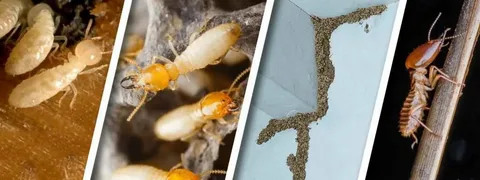
Recognizing the early signs of termites can help prevent a small problem from becoming a larger one. One common sign is the presence of mud tubes along walls, foundations, wooden beams, or other surfaces. These narrow tunnels help certain termites maintain the conditions they need while moving between their colony and food sources.
Another warning sign is wood that sounds hollow when tapped or appears damaged beneath its surface. Termites may consume wood internally while leaving a thin outer layer intact. Doors, window frames, cupboards, and wooden flooring may show unexplained damage as an infestation develops.
You may also notice discarded termite wings near windows, doors, or light sources, especially during swarming periods. In some cases, damaged paint, bubbling surfaces, or small piles of wood-like material may indicate a problem, although these signs can have other causes. If you suspect termite activity, arrange a professional inspection instead of assuming that visible damage shows the full extent of the infestation.
Why Professional Termite Treatment Is Important
Termite colonies can extend beyond the areas where damage is visible. Treating only the affected furniture or applying a surface product may not reach the colony or the hidden routes termites use to enter a building. This is why professional termite control focuses on identifying the source of the problem rather than dealing with visible insects alone.
A trained pest control professional can inspect accessible areas, assess the likely termite species, and recommend a suitable treatment plan. Depending on the situation, the process may involve soil treatment, baiting systems, treatment of affected timber, or a combination of methods.
Professional treatment also helps reduce the risks associated with incorrect pesticide use. Termite control products must be selected and applied according to their labels and the conditions of the property. Following the recommended precautions helps protect people, pets, and the surrounding environment while supporting effective pest management.
Different Methods Used for Termite Control Treatment
The correct termite control method depends on where the infestation is located and how the termites are entering the building. Soil treatment is commonly used to create a treated zone around suitable parts of a structure. When properly selected and applied, this approach can help control subterranean termites that travel through the soil.
Termite baiting systems use stations containing a suitable bait that worker termites carry back to the colony. The bait is designed to affect the colony over time, so results may take longer than some other approaches. Regular monitoring is necessary to assess activity and determine whether the system is working as intended.
Wood treatment may be appropriate for certain exposed or accessible timber areas. However, surface applications alone may not resolve a widespread infestation inside walls or structural components. In some cases, damaged materials may require repair or replacement after the termites have been controlled.
A professional inspection helps determine which method is suitable. No single treatment works in exactly the same way for every property, and the treatment plan should account for the building’s construction, infestation level, and surrounding conditions.
Pre-Construction Termite Treatment for New Buildings
Termite protection is easier to plan when a building is still under construction. Pre-construction termite treatment aims to reduce the risk of termites entering the completed structure through the soil or other vulnerable areas. It can be an important part of protecting new houses, offices, commercial buildings, and other developments.
Depending on local requirements and the building design, protection may involve approved soil treatments, physical barriers, or other suitable termite management systems. These measures should be coordinated with the construction process so that the relevant areas receive proper attention before they become inaccessible.
Correct application is essential because gaps in a protective barrier may allow termites to find a route into the building. Treatment should be performed by qualified professionals using products and methods appropriate for the site. Building owners should also keep relevant treatment records for future reference and maintenance.
Post-Construction Termite Treatment for Existing Properties
Existing buildings may require a different approach because walls, floors, foundations, and utility lines are already in place. Post-construction termite treatment begins with an inspection to locate visible activity and identify possible entry routes.
Depending on the property’s structure, professionals may recommend targeted soil treatment, bait stations, or other approved methods. Some situations require access to concealed spaces or affected timber, while others may need improvements to drainage and moisture management alongside direct termite control.
The treatment process should be planned carefully to avoid unnecessary damage to the property. After treatment, follow-up inspections may be needed to check for continued activity and confirm whether additional work is required. If termites have weakened wooden structures, a qualified building professional should assess the damage before repairs are completed.
How Moisture Control Helps Prevent Termites
Moisture management is an important part of termite prevention, especially in areas where damp conditions affect wood or the building foundation. Leaking taps, damaged plumbing, blocked drains, and poor ventilation can contribute to conditions that attract certain termite species or make concealed infestations harder to detect.
Repairing leaks and directing rainwater away from the building can help reduce unnecessary moisture. Wooden materials should be stored away from direct contact with soil where practical, and garden waste or unused timber should not be allowed to collect against exterior walls. Good ventilation in suitable areas can also help limit dampness.
These steps support a wider termite prevention plan, but they should not replace professional treatment when an active infestation is present. Termites can survive in different conditions, and removing moisture alone may not eliminate an established colony.
Termite Protection for Furniture, Doors, and Wooden Structures
Wooden furniture, doors, cabinets, window frames, and flooring can all be affected by termite activity. Because termites often damage wood from within, the exterior surface may look normal even when internal material has been consumed.
If you notice suspected damage, avoid relying only on paint, polish, or ordinary wood filler to solve the problem. These products may improve the appearance of the surface but do not necessarily control termites. The affected area should be inspected to determine whether the damage is active and whether the item can be safely repaired.
After termite activity has been addressed, damaged timber can be assessed for repair or replacement. Regularly checking wooden fixtures, reducing contact between wood and soil, and arranging inspections when warning signs appear can help protect valuable furniture and structural materials.
Why Choose Kingpest for Termite Control Services
Kingpest provides pest control support for property owners who want to address termite problems and protect their buildings from further damage. A suitable termite management plan begins with understanding the property, identifying signs of infestation, and selecting an appropriate method based on the conditions found during inspection.
Every building has different requirements. A residential property may need attention around wooden doors, cupboards, and foundations, while a commercial building may have larger areas and more complicated access points. An effective treatment plan should reflect these differences instead of relying on the same approach for every location.
Kingpest can help property owners understand the available treatment options and the steps involved in managing termite activity. Professional assessment, appropriate application, and follow-up checks can support a more organized approach to termite control. Property owners should also follow the technician’s instructions regarding access to treated areas and any necessary safety precautions.
Maintain Long-Term Protection After Termite Treatment
Successful termite management does not end when the initial treatment is completed. Regular monitoring and suitable property maintenance help identify new activity and reduce conditions that may encourage future infestations.
Keep an eye on areas where termite activity was previously found, inspect accessible wooden structures, and address plumbing leaks or drainage problems promptly. Avoid storing untreated timber directly against exterior walls, and keep foundations accessible for inspection where practical.
If you notice new mud tubes, discarded wings, or fresh damage after treatment, contact a qualified pest control professional for an assessment. These signs do not always mean that the original treatment has failed, but they should be investigated rather than ignored.
Protect Your Property with the Right Termite Control Treatment
Termites can cause significant damage when their activity remains unnoticed, but early inspection and a suitable treatment plan can help reduce the risk. Understanding the warning signs, choosing an appropriate control method, and maintaining your property are all important parts of effective termite management.
Whether you are dealing with an active infestation or planning protection for a new building, professional termite control treatment can help you make informed decisions about your property. Kingpest can assist with assessing termite concerns and identifying suitable next steps for your home or commercial space.
Do not wait until the damage becomes difficult to manage. Pay attention to warning signs, address conditions that may attract termites, and seek professional guidance when you suspect an infestation. Taking timely action can help protect wooden structures, maintain your property’s condition, and support long-term peace of mind.