







Fire safety is an essential part of protecting commercial buildings, employees, customers, equipment, and valuable property. Businesses operating in offices, restaurants, warehouses, retail spaces, and industrial facilities need reliable fire prevention and protection measures to reduce risks and support safer working environments. Commercial fire protection services in Allen, TX play an important role in helping commercial property owners understand fire safety requirements, maintain protection systems, and prepare for potential emergencies.
Commercial fire protection involves several interconnected components, including fire alarms, sprinkler systems, fire extinguishers, suppression equipment, inspections, and maintenance. Each component serves a different purpose, but together they help detect fire hazards, control fire-related risks, and support emergency response efforts. Understanding how these systems work and why routine maintenance matters can help businesses make more informed decisions about fire safety.
Understanding the Importance of Commercial Fire Protection
Commercial fire protection is more than installing equipment inside a building. It involves identifying potential fire hazards, selecting suitable protection systems, maintaining equipment, and establishing procedures that support safety during emergencies. Businesses need to consider the size of their facilities, the type of activities performed, the materials stored, and the number of people who regularly occupy the building.
A properly planned fire protection approach can help reduce the consequences of unexpected fire incidents. Fire safety systems are designed to detect warning signs, alert occupants, control fire spread, and support emergency response. Regular maintenance also helps ensure that installed equipment remains functional when needed.
Identifying Potential Fire Hazards
Every commercial property may contain different fire hazards depending on its operations. Electrical equipment, heating systems, machinery, cooking appliances, combustible materials, and improperly stored chemicals can contribute to fire risks. Identifying these hazards is an important first step in developing a practical fire safety plan.
Businesses should periodically review their workplace conditions and identify areas that may require additional precautions. Keeping electrical equipment in good condition, maintaining clear access to emergency exits, properly storing materials, and reducing unnecessary combustible items can support a safer environment.
Establishing a Fire Safety Plan
A fire safety plan helps employees understand how to respond when a fire-related emergency occurs. It may include evacuation procedures, emergency contacts, designated assembly areas, equipment locations, and instructions for reporting potential hazards. Employees should understand their responsibilities and know how to respond without creating additional risks.
Fire safety planning should also account for changes in building layouts, staffing, equipment, and operations. Updating procedures and conducting appropriate training helps employees remain familiar with emergency expectations and supports better preparedness.
Designing Fire Protection Systems for Commercial Buildings
Commercial buildings often require a combination of fire protection technologies to address different hazards. System design should consider the building’s occupancy, structural layout, fire risks, applicable regulations, and operational requirements. Selecting appropriate equipment helps ensure that fire protection measures are suitable for the facility rather than relying on a one-size-fits-all approach.
Fire protection system design may involve fire alarms, sprinkler systems, suppression equipment, extinguishers, detection devices, and connections between different safety components. These systems should be planned with consideration for the building’s construction, available water supply, electrical infrastructure, and emergency access.
Selecting Suitable Fire Protection Equipment
Different commercial facilities may require different fire protection equipment. Office buildings may rely on fire alarms, sprinkler systems, and portable extinguishers, while restaurants may need specialized kitchen fire suppression systems. Warehouses and industrial facilities may require additional protection based on stored materials, equipment, and operational processes.
Equipment selection should account for the specific fire hazards present within each facility. The type of fire, building occupancy, and applicable fire safety standards all influence the protection systems that may be appropriate. Properly selected equipment can support more effective fire prevention and emergency response.
Integrating Fire Safety Components
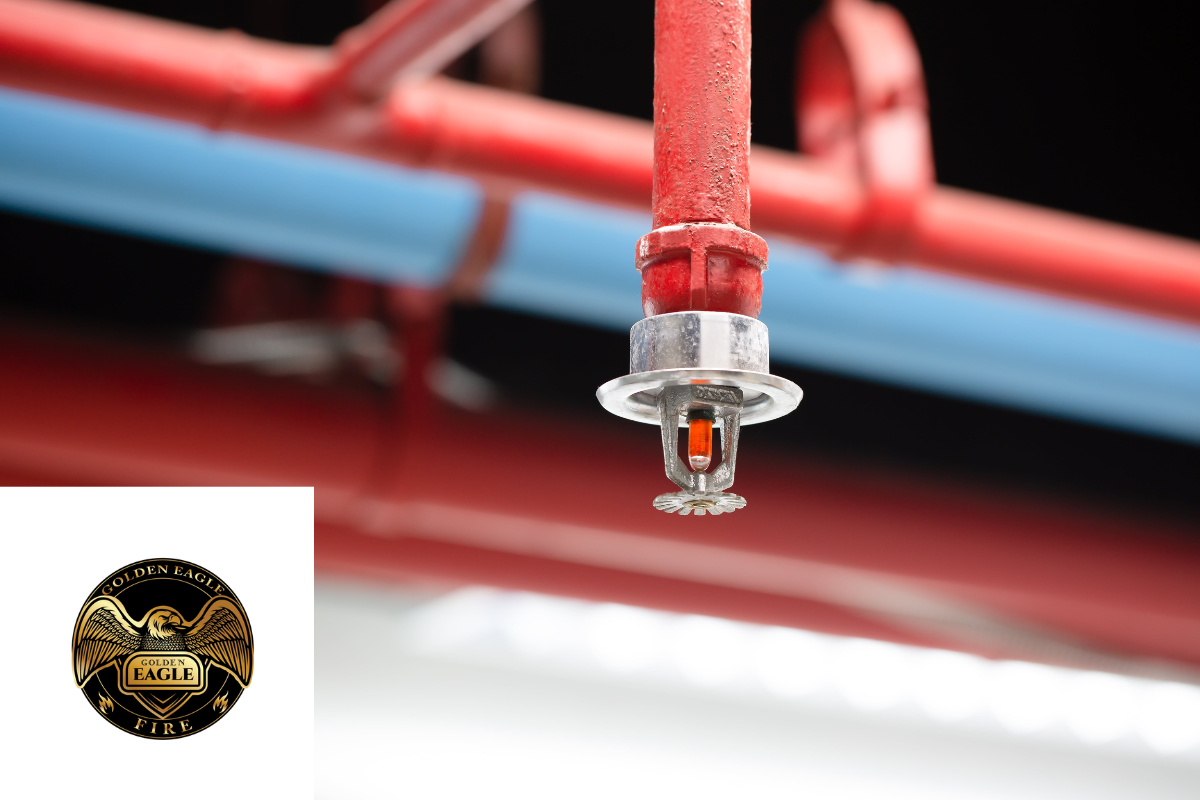
Fire protection systems may work together to provide multiple layers of safety. Detection devices can identify smoke or heat, alarms can notify occupants, and suppression systems can help control fire conditions. Sprinkler systems may activate when heat reaches the conditions required for individual sprinkler operation, helping control or reduce fire spread.
Integration between different fire safety components should be carefully planned and maintained. Building owners should ensure that modifications to electrical systems, building layouts, or fire protection equipment do not interfere with the functionality of existing safety systems.
Maintaining Commercial Fire Suppression Systems
Fire suppression systems are designed to control or extinguish fires using appropriate suppression agents or specialized equipment. Depending on the facility, these systems may use water, chemical agents, gases, or other approved methods designed for specific fire hazards. Maintaining suppression equipment is important because system performance depends on proper installation, inspection, and maintenance.
Commercial facilities should understand how their installed suppression systems operate and what maintenance activities are required. Components such as valves, piping, control mechanisms, nozzles, pressure indicators, and detection devices may require periodic inspection. Maintenance procedures should follow applicable standards and manufacturer recommendations.
Understanding Different Suppression Technologies
Different fire suppression technologies are designed for specific environments. Water-based sprinkler systems are commonly used in many commercial buildings, while specialized suppression systems may be installed in kitchens, industrial equipment rooms, or areas containing sensitive equipment.
Some suppression systems use chemical agents to control fires involving cooking oils, electrical equipment, or particular combustible materials. Others may use gases or specialized agents to protect enclosed spaces. Selecting the appropriate system depends on the potential fire hazards and the requirements of the facility.
Keeping Suppression Equipment Functional
Fire suppression equipment should be maintained according to its installation requirements and applicable inspection standards. Components may require testing, cleaning, replacement, or adjustment to ensure they remain functional. Damage, corrosion, leaks, blocked discharge outlets, or changes in equipment configuration can affect system performance.
Routine maintenance also helps identify potential problems before they become more serious. Building owners should maintain documentation of completed inspections, repair work, equipment replacements, and system testing activities to support organized fire safety management.
Protecting Commercial Kitchens and Restaurant Facilities
Commercial kitchens contain several potential fire hazards, including cooking appliances, grease accumulation, electrical equipment, heating surfaces, and combustible materials. Cooking-related fires can develop quickly, making specialized fire protection equipment and consistent maintenance important considerations for restaurants and food service facilities.
Kitchen fire safety involves maintaining cooking equipment, cleaning grease deposits, inspecting ventilation systems, and ensuring that suppression equipment remains functional. Employees should also understand basic fire safety procedures and know how to respond to emergencies involving cooking equipment.
Maintaining Kitchen Hood Fire Suppression Equipment
Kitchen hood suppression systems are designed to protect commercial cooking areas where grease-related fire hazards may occur. These systems may include detection components, suppression agent containers, discharge nozzles, piping, and activation mechanisms. Their configuration depends on the cooking appliances and protected areas.
Routine inspection and maintenance help ensure that the system remains suitable for the equipment it protects. Changes to cooking appliances, hood arrangements, or ventilation components may affect suppression system coverage. Restaurants should ensure that modifications are evaluated appropriately before equipment is used.
Reducing Grease and Cooking Fire Hazards
Grease buildup within cooking equipment and ventilation systems can increase fire risks. Regular cleaning of cooking surfaces, hood components, grease filters, and associated equipment helps reduce combustible deposits. Cleaning schedules should reflect the intensity of cooking operations and applicable requirements.
Employees should also understand the importance of safe cooking practices. Monitoring cooking equipment, avoiding unsafe handling of hot oils, maintaining clear spaces around appliances, and following emergency procedures can contribute to a safer commercial kitchen environment.
Conducting Regular Fire Safety Inspections
Fire safety inspections help evaluate whether fire protection equipment, building features, and safety procedures remain in appropriate condition. Commercial properties may require different types of inspections depending on occupancy, equipment, local regulations, and applicable fire safety standards.
Inspection activities may include reviewing fire alarms, extinguishers, sprinkler systems, suppression equipment, emergency exits, access routes, and fire safety documentation. Regular inspections can help identify deficiencies that require corrective action.
Inspecting Fire Protection Equipment
Fire protection equipment should be checked according to its inspection schedule and applicable requirements. Inspections may involve evaluating visible conditions, identifying damaged components, reviewing pressure indicators, checking accessibility, and verifying whether maintenance or testing is due.
Equipment should not be obstructed by furniture, storage materials, construction activities, or other objects. Fire extinguishers, alarm devices, sprinkler components, and emergency equipment should remain accessible where required.
Maintaining Inspection Records
Inspection records provide valuable information about the condition and maintenance history of fire safety systems. Documentation may include inspection dates, identified deficiencies, corrective actions, equipment testing, repairs, and replacement information.
Organized records help building managers track recurring maintenance needs and determine whether outstanding issues have been resolved. Documentation may also support compliance reviews, insurance requirements, and facility management processes.
Understanding Fire Extinguisher Maintenance and Readiness
Portable fire extinguishers are commonly installed throughout commercial buildings to provide an initial response option for certain fire situations. However, their effectiveness depends on appropriate placement, accessibility, condition, and suitability for the potential fire hazards present.
Businesses should select extinguishers according to the types of fire risks within their facilities. Different extinguishers are designed for different fire classes, and using the wrong equipment may create additional hazards. Employees should understand the limitations of portable extinguishers and prioritize evacuation whenever a fire presents an immediate danger.
Checking Fire Extinguisher Conditions
Fire extinguishers should be inspected according to applicable requirements. Checks may involve examining pressure indicators, verifying accessibility, reviewing inspection tags, identifying physical damage, and ensuring that the extinguisher remains in its designated location.
Extinguishers should not be blocked by stored materials or placed where occupants cannot easily locate them. Damaged, discharged, or otherwise compromised extinguishers may require servicing or replacement by qualified personnel.
Understanding Recharging and Servicing Requirements
Fire extinguishers may require recharging, testing, maintenance, or replacement depending on their condition and manufacturer requirements. Discharged extinguishers should not be returned to service without appropriate servicing procedures.
Maintenance records can help commercial property managers track extinguisher servicing and identify equipment that requires attention. Proper maintenance supports equipment readiness and helps ensure that extinguishers remain available for their intended purpose.
Supporting Fire Safety in Warehouses and Industrial Facilities
Warehouses and industrial facilities may contain unique fire hazards associated with machinery, electrical systems, combustible materials, production processes, storage arrangements, and equipment operations. Fire protection planning should consider how these activities affect the facility and the potential consequences of a fire.
Storage arrangements can influence fire risks and the effectiveness of protection systems. Materials should be stored according to their characteristics, and designated fire protection equipment should remain accessible. Changes in storage height, shelving configurations, or warehouse layout may affect sprinkler coverage and other safety measures.
Managing Storage and Equipment Hazards
Warehouse managers should regularly evaluate storage arrangements, equipment condition, and operational practices. Combustible materials, hazardous substances, and potentially flammable products may require specific storage procedures. Keeping aisles, emergency exits, and access routes clear is also important.
Electrical equipment, machinery, and industrial systems should be maintained according to appropriate requirements. Damaged cables, overloaded connections, overheating equipment, and improperly maintained machinery may contribute to fire hazards.
Protecting Specialized Industrial Areas
Some industrial facilities contain areas that require specialized fire protection measures. Equipment rooms, electrical installations, production areas, chemical storage spaces, and machinery enclosures may present risks that differ from those found in ordinary commercial buildings.
Protection systems should be selected and maintained according to the hazards present. Facility managers should consult qualified fire protection professionals when evaluating specialized equipment, changing industrial operations, or modifying existing fire safety systems.
Improving Fire Safety Preparedness Through Training
Fire safety equipment is only one part of protecting commercial buildings. Employees also need to understand emergency procedures, recognize potential hazards, and know how to respond when fire safety concerns arise. Appropriate training helps support safer workplace practices and reduces confusion during emergencies.
Training should be relevant to the facility and the responsibilities of employees. Workers should understand evacuation procedures, emergency communication methods, alarm signals, and the location of designated exits. Employees should also know how to report damaged equipment or potentially unsafe conditions.
Conducting Fire Safety Exercises
Fire safety exercises help employees become familiar with emergency procedures and evacuation routes. Exercises may involve practicing evacuation, identifying assembly areas, and reviewing emergency communication procedures.
Regular exercises can reveal problems such as blocked exits, unclear instructions, or difficulties communicating during an emergency. Reviewing these issues afterward can help businesses improve their emergency preparedness plans.
Encouraging Everyday Fire Safety Awareness
Fire safety awareness should be part of regular workplace activities. Employees should be encouraged to report potential hazards, maintain clear emergency routes, follow equipment instructions, and avoid unsafe practices involving electrical systems, heating equipment, or combustible materials.
Management can support awareness by providing appropriate training materials, communicating safety procedures, and periodically reviewing workplace fire safety responsibilities. Consistent attention to fire safety helps create a more prepared and organized working environment.
Conclusion
Commercial fire safety requires a combination of appropriate equipment, preventive measures, routine inspections, maintenance, and employee preparedness. Fire alarms, sprinkler systems, suppression equipment, extinguishers, and emergency procedures each contribute to protecting commercial facilities from fire-related risks. Maintaining these components and addressing potential hazards early helps businesses support safer working environments and better protect their buildings, equipment, and occupants.
Commercial fire protection services in Allen, TX relate to the broader fire safety needs of commercial properties, including system planning, equipment maintenance, fire safety inspections, suppression system readiness, and emergency preparedness. Understanding these responsibilities can help business owners and property managers make informed decisions about fire protection and maintain a more organized approach to fire safety throughout their facilities.
Frequently Asked Questions
1. What are commercial fire protection services?
Commercial fire protection services generally involve fire safety system installation, inspection, maintenance, repair, and related fire protection activities designed to help protect commercial buildings and their occupants.
2. Why is commercial fire protection important?
Commercial fire protection helps businesses reduce fire-related risks, protect property, support occupant safety, and maintain appropriate fire safety measures within their facilities.
3. Which fire protection systems are commonly used in commercial buildings?
Common systems include fire alarms, sprinkler systems, portable fire extinguishers, kitchen fire suppression systems, and specialized suppression equipment designed for specific fire hazards.
4. How often should commercial fire protection systems be inspected?
Inspection frequency depends on the type of equipment, applicable regulations, manufacturer requirements, and relevant fire safety standards. Different components may require different inspection, testing, and maintenance schedules.
5. Are commercial kitchens required to have fire suppression systems?
Commercial kitchens with certain cooking equipment and fire hazards may require specialized fire suppression systems under applicable fire codes and local requirements. Requirements depend on the facility, equipment, and jurisdiction.
6. Why is fire extinguisher maintenance important?
Regular fire extinguisher maintenance helps identify damaged, discharged, improperly maintained, or inaccessible equipment and supports readiness when extinguishers are needed.
7. What should businesses include in a fire safety plan?
A fire safety plan may include evacuation procedures, emergency contacts, exit routes, assembly areas, fire safety equipment locations, hazard reporting procedures, and employee responsibilities.
8. Can changes to a commercial building affect its fire protection systems?
Yes. Changes to building layouts, storage arrangements, cooking equipment, machinery, occupancy, or construction may affect existing fire protection systems and should be evaluated appropriately.