






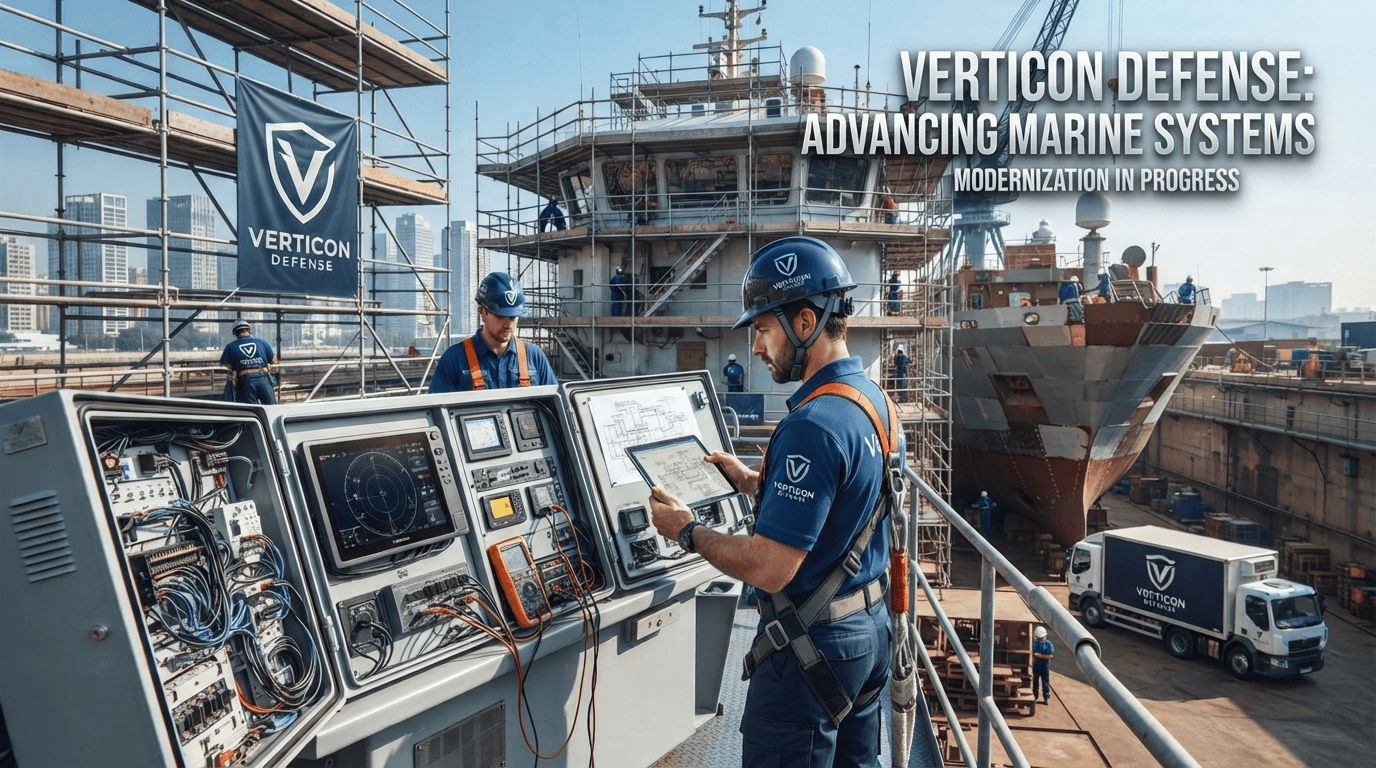
Marine vessels depend on reliable machinery, electrical equipment, navigation tools, and control systems. However, these systems age at different rates. A vessel may still have a sound hull while its propulsion equipment, onboard electronics, or safety systems no longer meet operational needs. Modernization helps owners address these gaps without automatically replacing an entire vessel.
Working with a qualified vessel modernization contractor can help owners assess existing equipment, prioritize upgrades, and coordinate technical work. The right approach considers the vessel’s mission, operating environment, service life, and regulatory obligations. It also ensures that new equipment works safely with existing systems.
Why Vessel Modernization Matters
Vessel modernization involves upgrading equipment, infrastructure, and onboard capabilities to improve how a ship performs. Projects may address one system or involve several connected areas. The scope depends on the vessel’s condition and the owner’s operational goals.
For example, an aging commercial vessel may need more dependable power distribution and updated navigation equipment. A government or support vessel may require improved communications, surveillance, or mission-specific spaces. In either case, modernization can help extend useful service life while supporting changing operational demands.
However, upgrades should solve defined problems rather than add technology without a clear purpose. Owners should first identify performance limitations, maintenance concerns, safety risks, and future mission requirements.
Key Marine Systems That May Need Upgrading
Propulsion and Machinery
Propulsion systems directly affect a vessel’s speed, maneuverability, fuel use, and reliability. Older engines, gearboxes, shafting, and auxiliary machinery may require frequent maintenance or struggle to meet current operating demands.
A modernization project may involve engine replacement, propulsion controls, cooling systems, or supporting machinery. Before selecting equipment, engineers should assess available space, weight distribution, power requirements, and compatibility with existing components.
Additionally, operators should consider how an upgrade affects maintenance access and spare-parts availability. A technically capable system may create long-term difficulties if crews cannot service it efficiently.
Electrical Power and Distribution
Modern vessels rely on electrical systems for navigation, communications, lighting, monitoring, and essential machinery. As operators add new equipment, older power systems may lack sufficient capacity or suitable protection.
Electrical modernization can include updated switchboards, generators, cabling, grounding, lighting, and power management. Engineers must review load requirements and distribution arrangements before installation. They should also consider redundancy, which allows critical functions to continue when a component fails.
Consequently, electrical upgrades should address both present demand and reasonable future requirements. Proper testing helps confirm that equipment operates safely under expected loads.
Navigation, Communications, and Control
Navigation and communication technology has changed considerably. Older radar, GPS, electronic charting, automatic identification systems, and communication equipment may not support current operating requirements.
Upgrades can improve situational awareness and help crews make informed decisions. Integrated bridge systems can also bring selected information into a more coordinated operating environment. However, integration requires careful attention to equipment compatibility, interface design, and crew training.
Control systems deserve similar attention. Updated monitoring and automation can help crews identify abnormal operating conditions earlier. Still, operators need clear procedures for manual control and system failure.
How to Plan a Safe and Effective Modernization Project
A successful upgrade begins with a detailed understanding of the vessel. Replacing equipment before reviewing the full system can introduce new problems or leave important deficiencies unresolved.
Start With a Condition and Requirements Assessment
The first step is to document the vessel’s current condition. This assessment may examine machinery, electrical infrastructure, structural components, onboard systems, and available technical records.
Next, owners should define the vessel’s intended role. A ship expected to operate for another decade may need a different investment strategy from one approaching retirement. The assessment should connect each proposed upgrade to a measurable operational need.
At this stage, a vessel modernization contractor should help evaluate technical feasibility, identify system dependencies, and establish realistic project priorities. The team can then distinguish essential safety work from optional performance improvements.
Coordinate Design, Installation, and Testing
Modernization often involves several disciplines. Naval architects, marine engineers, electrical specialists, equipment suppliers, shipyard teams, and vessel operators may all contribute. Therefore, clear responsibilities and coordinated schedules are essential.
The project plan should address equipment procurement, installation access, structural changes, system interfaces, and inspection requirements. It should also account for vessel downtime and the availability of specialist labor.
After installation, commissioning verifies that systems function as intended. Depending on the scope, testing may include electrical checks, machinery trials, alarm verification, navigation equipment checks, and sea trials. Documentation should record test results, approved changes, operating instructions, and maintenance requirements.
Safety, Compliance, and Cybersecurity Considerations
Safety must guide decisions throughout the modernization process. Changes to propulsion, electrical distribution, navigation, or machinery controls can affect other onboard functions. A modification that improves one system should not create a new hazard elsewhere.
Owners should identify the rules and approvals that apply to their vessel, flag, operating area, and intended service. Depending on the project, this may involve the U.S. Coast Guard, a flag administration, a classification society, or other relevant authorities. Early coordination can help prevent costly design changes later.
Cybersecurity also deserves attention. Connected navigation, communications, and machinery systems can introduce digital vulnerabilities. Operators should review network access, software updates, remote connections, user permissions, and incident response procedures. In the United States, applicable Coast Guard cybersecurity requirements should form part of the compliance review.
Environmental performance may influence project scope as well. Owners can assess energy-efficient machinery, waste heat recovery, emissions controls, and other suitable technologies. The best option depends on vessel design, operating patterns, fuel availability, and applicable requirements.
Choosing the Right Project Partner
Selecting a project partner involves more than comparing equipment prices. Owners should look for relevant marine engineering capabilities, clear project controls, and experience coordinating multiple technical disciplines.
Ask prospective partners how they approach condition assessments, design reviews, procurement, installation oversight, testing, and commissioning. They should explain how they manage technical risks and communicate changes that affect cost or schedule.
It is also useful to review their approach to lifecycle support. Modernization does not end when a vessel leaves the shipyard. Crews need training, technical documentation, maintenance plans, and access to support as systems enter service.
Verticon Defense identifies capabilities that include feasibility studies, vessel condition assessments, naval architecture, machinery replacement, propulsion upgrades, electrical modernization, and technology integration. These services reflect the range of considerations that may shape a refurbishment or conversion program.
Conclusion
Vessel modernization works best when owners connect every upgrade to a clear operational requirement. A structured assessment, coordinated engineering, regulatory review, and thorough commissioning can reduce project risks. Just as importantly, lifecycle planning helps ensure that new systems remain practical to operate and maintain.
For owners evaluating refurbishment, conversion, or broader system improvements, working with an experienced vessel modernization contractor can help bring technical requirements and project priorities together. The objective is not simply to install newer equipment. It is to create a safer, more capable vessel that remains suited to its mission.