







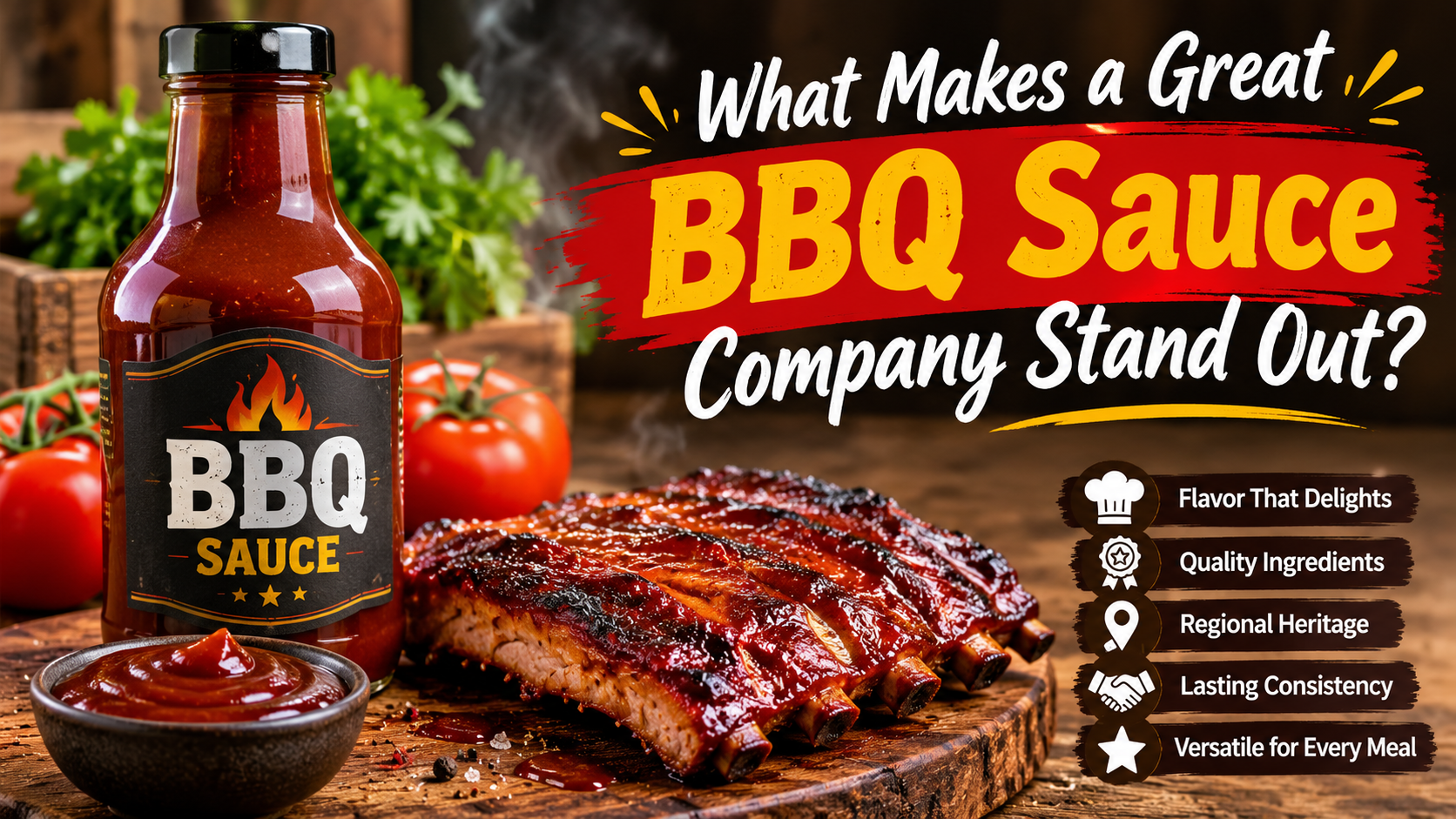
Barbecue is more than a cooking method. For many people, it is a tradition built around family gatherings, outdoor cooking, smoky flavors, and sharing good food. While the quality of meat and cooking technique play important roles, the sauce often brings everything together. A well-balanced barbecue sauce can enhance the flavor of grilled chicken, ribs, pulled pork, burgers, and other dishes without overpowering their natural taste.
Behind every memorable barbecue flavor is a combination of thoughtful ingredients, recipe development, consistency, and an understanding of what customers enjoy. A successful bbq sauce company recognizes that consumers want more than something sweet or spicy. They look for distinctive flavors, dependable quality, and products that work across different cooking styles. Understanding these qualities helps explain what separates an ordinary barbecue sauce from one that earns a place in the kitchen.
1. Flavor Is the Foundation of a Great Barbecue Sauce
The first thing people notice about barbecue sauce is its flavor. A good sauce should have a balanced taste that complements food rather than competing with it. Sweetness, acidity, spice, smokiness, and savory ingredients all contribute to the overall experience.
Finding the Right Flavor Balance
Sweetness is common in many barbecue sauces, but too much sugar can make a sauce overpowering. Acidity from ingredients such as vinegar or tomatoes can provide contrast, while spices add depth and character. Smoky notes can create a richer barbecue experience, especially when paired with grilled or slow-cooked meats.
The best recipes bring these elements together in a way that feels natural. A sauce should taste enjoyable on its own while becoming even better when combined with food.
Offering More Than One Flavor Profile
Not everyone enjoys the same barbecue style. Some people prefer sweet and mild sauces, while others look for bold, spicy, tangy, or smoky options. Offering variety allows consumers to experiment with different combinations and find something that matches their preferences.
A diverse selection also makes barbecue sauces useful for different occasions, from casual backyard cookouts to family dinners and larger gatherings.
2. Quality Ingredients Make a Noticeable Difference
Flavor begins with ingredients. Although recipes vary, the quality and combination of their components influence the sauce’s taste, texture, and overall consistency.
Understanding Common Ingredients
Many traditional barbecue sauces use tomato-based ingredients, vinegar, sweeteners, spices, and seasonings. Each ingredient serves a purpose.
- Tomatoes: Often provide body, richness, and a familiar savory base.
- Vinegar: Adds acidity and helps balance sweeter ingredients.
- Sweeteners: Contribute sweetness and can support browning during cooking.
- Spices: Introduce warmth, complexity, and distinctive flavor.
- Smoky ingredients: Help create the characteristic taste associated with many barbecue styles.
The important consideration is how these ingredients work together. A sauce does not need an unnecessarily complicated recipe to deliver a memorable taste. Careful proportions and thoughtful preparation can make a simple combination effective.
Transparency and Consumer Confidence
Today’s consumers often pay attention to ingredient labels before purchasing food products. They may want to understand the ingredients used, identify potential allergens, or compare nutritional information.
Clear product labeling helps customers make informed decisions. It also demonstrates that a brand takes product communication seriously. Rather than relying entirely on marketing language, businesses can build confidence by providing straightforward and accurate information.
3. Regional Barbecue Traditions Create Unique Identities
Barbecue culture differs across the United States. Regional cooking traditions have influenced the ingredients, textures, and flavor profiles people associate with different sauces.
Kansas City is particularly well known for its barbecue heritage. Its traditional sauce style is commonly associated with a thick consistency, tomato-based ingredients, sweetness, and a tangy finish. These characteristics make it suitable for a variety of smoked and grilled foods.
What Makes Kansas City BBQ Sauce Distinctive?
Kansas City BBQ sauce is often recognized for its rich texture and balanced combination of sweet and tangy flavors. It can complement ribs, brisket, pulled pork, and other barbecue favorites.
However, recipes are not identical across every producer. Some versions emphasize sweetness, while others introduce additional spice, vinegar, or smoky notes. These differences allow consumers to explore variations within the same regional tradition.
Why Regional Identity Matters
Regional identity gives barbecue sauces a story. Consumers may associate particular flavors with local restaurants, family traditions, cooking techniques, or memorable food experiences.
For brands, understanding these traditions provides an opportunity to develop products with a recognizable identity. It also helps customers understand what they can expect from a particular sauce style.
4. Consistency Builds Long-Term Customer Trust
A memorable first experience can encourage someone to try a product again, but consistency is what helps turn an occasional purchase into a regular choice.
Consumers expect a sauce to deliver a similar flavor, texture, and quality each time they purchase it. Significant differences between batches can affect the overall experience and make customers less confident in the product.
Maintaining Reliable Production Standards
Consistency requires attention throughout the production process. Ingredient measurements, preparation methods, cooking conditions, storage, and packaging can all influence the final product.
A reliable production process helps ensure that the sauce maintains its intended characteristics. Quality checks also help identify potential issues before products reach consumers.
Packaging and Storage Matter Too
Packaging is another important part of product quality. Containers should be suitable for the sauce, protect the product, and provide useful information to customers.
Clear storage instructions and appropriate handling guidance help consumers maintain product quality after purchase. Practical packaging can also make a sauce easier to pour, store, and use during cooking.
5. Versatility Makes a Sauce More Valuable
A great barbecue sauce should offer more than one way to enjoy it. While some consumers purchase sauce specifically for grilling, others want something they can use in everyday meals.
Versatility increases the number of occasions when a product can become part of someone’s cooking routine.
Pairing Sauce With Different Foods
Different foods benefit from different flavor combinations. A sweet and smoky sauce can work well with pork, while a tangier option may complement grilled chicken or vegetables.
For consumers searching for the best bbq sauce for chicken, the ideal choice often depends on the preparation method and personal taste. A mild, balanced sauce may suit baked chicken, while a bolder option can complement grilled or smoked varieties.
Beyond Traditional Barbecue
Barbecue sauce can also be used in several everyday recipes.
Some practical uses include:
- Marinades: Combine sauce with suitable ingredients to add flavor before cooking.
- Glazes: Brush sauce onto meat near the end of cooking for an appealing finish.
- Sandwich toppings: Add it to pulled pork, chicken sandwiches, or burgers.
- Dipping sauces: Serve alongside grilled foods, fries, or other snacks.
- Recipe ingredients: Use it as part of a sauce mixture for baked dishes and homemade meals.
This flexibility makes barbecue sauce a useful pantry staple rather than a product reserved for outdoor cooking.
6. Innovation Helps Brands Stay Relevant
Food preferences continue to change, and consumers enjoy discovering new flavors. A brand that understands its audience can introduce interesting options while maintaining the qualities that make its existing products recognizable.
Innovation does not always mean creating an entirely different product. Sometimes, small adjustments to seasoning, sweetness, heat, or texture can offer customers something new.
Balancing Familiarity With New Ideas
Some customers prefer traditional flavors, while others enjoy experimenting with different ingredients and combinations. A strong product range can acknowledge both preferences.
For example, a brand may offer a traditional sauce alongside a spicier variation or a sweeter alternative. The goal is to provide meaningful choices without making the selection unnecessarily complicated.
Building a Recognizable Brand Identity
Brand identity also influences purchasing decisions. Product names, packaging, visual presentation, and communication should reflect the character of the sauce.
An OG BBQ sauce, for instance, may appeal to consumers who appreciate a classic barbecue flavor and a familiar approach to grilling. A recognizable product identity can make it easier for customers to understand what a sauce represents.
7. Understanding Customers Is Essential for Growth
Even a carefully developed recipe needs an audience. Understanding customer expectations helps food brands make better decisions about product development, packaging, pricing, and communication.
Listening to Customer Feedback
Customer reviews and feedback can reveal what people enjoy and where improvements may be needed. Comments about sweetness, consistency, packaging, or food pairings can provide useful direction.
Businesses can use this information to evaluate their products and identify opportunities for improvement. However, feedback should be considered alongside product quality standards and the brand’s overall direction.
Making Product Information Accessible
Customers often research products before making a purchase. They may want to know about flavor profiles, ingredients, suggested uses, and available product options.
Providing clear information through product descriptions and online resources makes the buying process easier. Helpful content can also introduce consumers to different barbecue traditions and explain how sauces can be used in everyday cooking.
8. What Should Consumers Look for When Choosing a BBQ Sauce?
Choosing a barbecue sauce is ultimately a matter of personal preference, but a few practical considerations can make the decision easier.
First, consider the food you plan to prepare. A sauce intended for ribs may not be your preferred choice for chicken or vegetables. Think about whether you enjoy sweet, smoky, spicy, or tangy flavors.
Next, review the ingredients and product information. Check the label for ingredients you prefer to avoid, nutritional details, and any relevant allergen information.
Finally, consider versatility. A sauce that works well with several dishes may provide more value than one you only use occasionally.
Trying different styles can also help you discover new combinations. Exploring traditional regional varieties alongside newer flavor options is a simple way to develop a better understanding of barbecue sauce.
Conclusion
A memorable barbecue sauce is the result of more than a good recipe. Flavor balance, ingredient quality, consistent production, regional inspiration, versatility, and customer understanding all contribute to a product that people enjoy using repeatedly. These qualities also help distinguish established food brands in a competitive market.
Whether someone prefers traditional regional flavors, sweet and smoky combinations, or something with extra heat, the right sauce can make everyday meals and outdoor gatherings more enjoyable. For consumers exploring different options, learning about the people and ideas behind a product can make the experience even more rewarding. A quality bbq sauce company understands the importance of bringing flavor, reliability, and customer expectations together in every product.
Frequently Asked Questions (FAQs)
1. What makes a barbecue sauce stand out from other sauces?
A distinctive barbecue sauce combines balanced flavors, suitable consistency, quality ingredients, and versatility. Its ability to complement different foods while maintaining a recognizable taste can help it stand out.
2. What makes Kansas City barbecue sauce different?
Kansas City barbecue sauce is traditionally known for its thick, tomato-based consistency and a flavor profile that combines sweetness with tanginess. It is commonly served with smoked meats, ribs, and pulled pork.
3. How do I choose a barbecue sauce for different types of meat?
Consider the meat’s natural flavor and cooking method. Sweet and smoky sauces often complement pork, while balanced or tangy sauces can work well with chicken. Personal preference should guide the final choice.
4. What ingredients are commonly found in barbecue sauce?
Common ingredients include tomatoes, vinegar, sweeteners, spices, and seasonings. Some recipes also include ingredients that contribute smoky, spicy, or savory notes.
5. Can barbecue sauce be used as a marinade?
Yes. Barbecue sauce can be incorporated into marinades to add flavor before cooking. When using sauces containing sugar, monitor cooking temperatures because sugary ingredients can brown or burn quickly.
6. What should I look for when buying barbecue sauce?
Consider flavor, ingredients, consistency, packaging, and intended use. Reading product labels can help you select a sauce that matches your preferences and dietary requirements.
7. Is barbecue sauce suitable for everyday cooking?
Absolutely. It can be used in sandwiches, wraps, baked dishes, marinades, glazes, and dipping sauces. Its versatility makes it useful for more than traditional outdoor barbecues.