





Windows influence how a home handles Florida’s heat, humidity, rainfall, and seasonal storms. Older units may develop drafts, damaged seals, difficult operation, or moisture problems that affect indoor comfort. Understanding modern replacement options helps homeowners make practical decisions about durability, maintenance, and energy efficiency. When researching replacement windows in Stuart & Port St. Lucie, local weather conditions make frame materials, glass performance, and installation quality particularly important. Comparing these features before starting a project helps homeowners identify suitable products, understand building requirements, and prepare questions for contractors. A careful evaluation can also prevent overlooking problems around existing window openings during replacement work.
Why Window Performance Matters in Coastal Florida
Homes near Florida’s coastline experience strong sunlight, high humidity, wind-driven rain, and occasional severe storms. Windows must provide more than an attractive appearance; they should help maintain indoor comfort and resist moisture intrusion.
Damaged weatherstripping, deteriorated frames, and failed seals can affect insulation and allow water to enter surrounding walls. Persistent moisture may damage interior finishes and encourage mold growth. Before replacing windows, homeowners should determine whether the problem involves the window itself, the surrounding frame, or inadequate drainage.
Comparing Window Materials and Styles
Frame materials influence maintenance, appearance, and long-term performance. Vinyl frames are generally low-maintenance and do not require routine painting. Aluminum frames are another option, although their thermal performance depends on the design and whether thermal breaks are incorporated.
Common replacement window styles include:
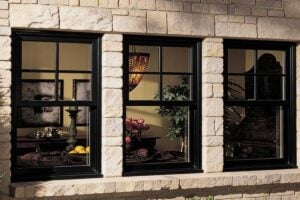
- Double-hung windows: These feature vertically moving sashes and can provide flexible ventilation.
- Casement windows: Hinged at the side, they open outward and allow substantial airflow when conditions are suitable.
- Awning windows: Hinged at the top, these open outward and can help limit rain entry when partially open.
- Sliding windows: These move horizontally and suit spaces where outward-opening sashes may obstruct walkways.
- Specialty windows: Custom shapes accommodate particular architectural designs but may offer limited ventilation.
Understanding Glass Ratings and Energy Efficiency
Glass selection affects heat transfer, sunlight, and indoor comfort. Double-pane windows contain two glass panes separated by a sealed space, helping reduce heat transfer compared with many single-pane designs. Low-emissivity, or low-E, coatings help control radiant heat while allowing natural light into the home.
Two measurements are particularly useful when comparing products. The U-factor measures how readily a window transfers heat; lower values generally indicate better insulation. The solar heat gain coefficient (SHGC) measures how much solar radiation enters through a window. Lower SHGC values generally reduce solar heat gain, which can be beneficial in hot climates.
The best ratings depend on the property’s climate zone, window orientation, and applicable energy code.
What to Check Before Replacing Windows
When comparing replacement windows in Stuart & Port St. Lucie, homeowners should assess existing window conditions and identify the improvements they need. Ask contractors about these essential considerations:
- Building code compliance: Confirm that products meet applicable Florida Building Code requirements and local permitting rules.
- Wind and impact resistance: Verify tested performance ratings and whether impact-resistant glazing is required.
- Installation quality: Discuss flashing, sealants, drainage, and repairs needed around each opening.
- Warranty coverage: Review terms for glass, frames, hardware, and installation workmanship.
- Project costs: Compare materials, labor, removal, disposal, finishing, and potential structural repairs.
Planning for Storm Protection
Replacement windows do not automatically provide protection against windborne debris. Homeowners should verify product testing, approved design pressures, and impact ratings rather than assuming all modern windows offer equivalent storm resistance.
Storm preparation may also require separate protective coverings for vulnerable openings. The right approach depends on exposure, window dimensions, budget, and local requirements.
Conclusion
Choosing replacement windows requires balancing comfort, energy performance, durability, and local weather demands. Homeowners should compare verified specifications, installation practices, and code compliance before making a decision. A broader storm preparation strategy may also include accordion shutters where suitable for the property. By understanding window materials, glass ratings, and protective features, homeowners can make informed improvements that address their household’s needs while supporting long-term performance in Florida’s coastal climate.