




Egypt is a destination where ancient history, remarkable landscapes and vibrant culture come together. From the Great Pyramids of Giza and the temples of Luxor to the turquoise waters of the Red Sea, the country offers experiences for almost every kind of traveller. However, choosing the right time to visit can make a significant difference to your comfort, activities and overall holiday experience.
The best time to visit Egypt depends on what you want to discover. Some travellers prefer mild weather for exploring archaeological sites, while others want warm sunshine for beach holidays, snorkelling or diving. Understanding the seasons will help you plan a journey that balances sightseeing, relaxation and memorable cultural experiences.
1. Understanding Egypt’s Climate and Travel Seasons
Egypt has a predominantly dry desert climate, with hot summers, mild winters and very little rainfall across much of the country. However, conditions vary between northern coastal cities, Cairo, the southern Nile Valley and Red Sea resorts.
Winter generally runs from November to April and offers comfortable conditions for many outdoor activities. Daytime temperatures are often pleasant for visiting monuments, walking through historic neighbourhoods and exploring archaeological sites. Evenings can be cool, particularly in desert areas.
Summer, from May to October, brings much higher temperatures, especially in southern destinations such as Luxor and Aswan. Exploring ancient temples during the middle of the day can become exhausting, so early starts and regular breaks are important.
Egypt is a year-round destination, but not every season suits every itinerary. The country’s official tourism website provides useful information about regional weather and practical travel preparation.
For most first-time visitors, October to April is a good starting point when planning a trip focused on history and sightseeing. Travellers prioritising beaches and water activities may have more flexibility throughout the year.
2. The Best Months for Egypt Sightseeing
The period from October to April is generally considered the most comfortable for exploring Egypt’s major historical attractions. Temperatures are usually more manageable than during the hottest summer months, making it easier to spend several hours outdoors.
October and November are particularly appealing for travellers who want warm days without the most intense summer heat. Cairo, Giza and the Nile Valley can all be included in an itinerary, although southern Egypt may remain quite warm during early autumn.
December, January and February offer cooler conditions, especially in Cairo and northern Egypt. These months are excellent for visiting the Pyramids of Giza, exploring museums and discovering the temples of Luxor. However, they are also popular travel months, so accommodation and guided excursions should be booked early when travelling during holiday periods.
March and April bring warmer temperatures and can be excellent months for combining cultural sightseeing with outdoor experiences. Spring conditions vary, and occasional dusty winds may affect visibility or outdoor comfort.
The right Egypt sightseeing season is ultimately the one that matches your priorities. If you want to explore several ancient sites in one day, cooler weather can make the experience considerably more enjoyable.
3. Exploring Ancient Egypt: Cairo, Luxor and Aswan
Egypt’s most famous historical destinations deserve a place on many travel itineraries, but each offers a slightly different experience.
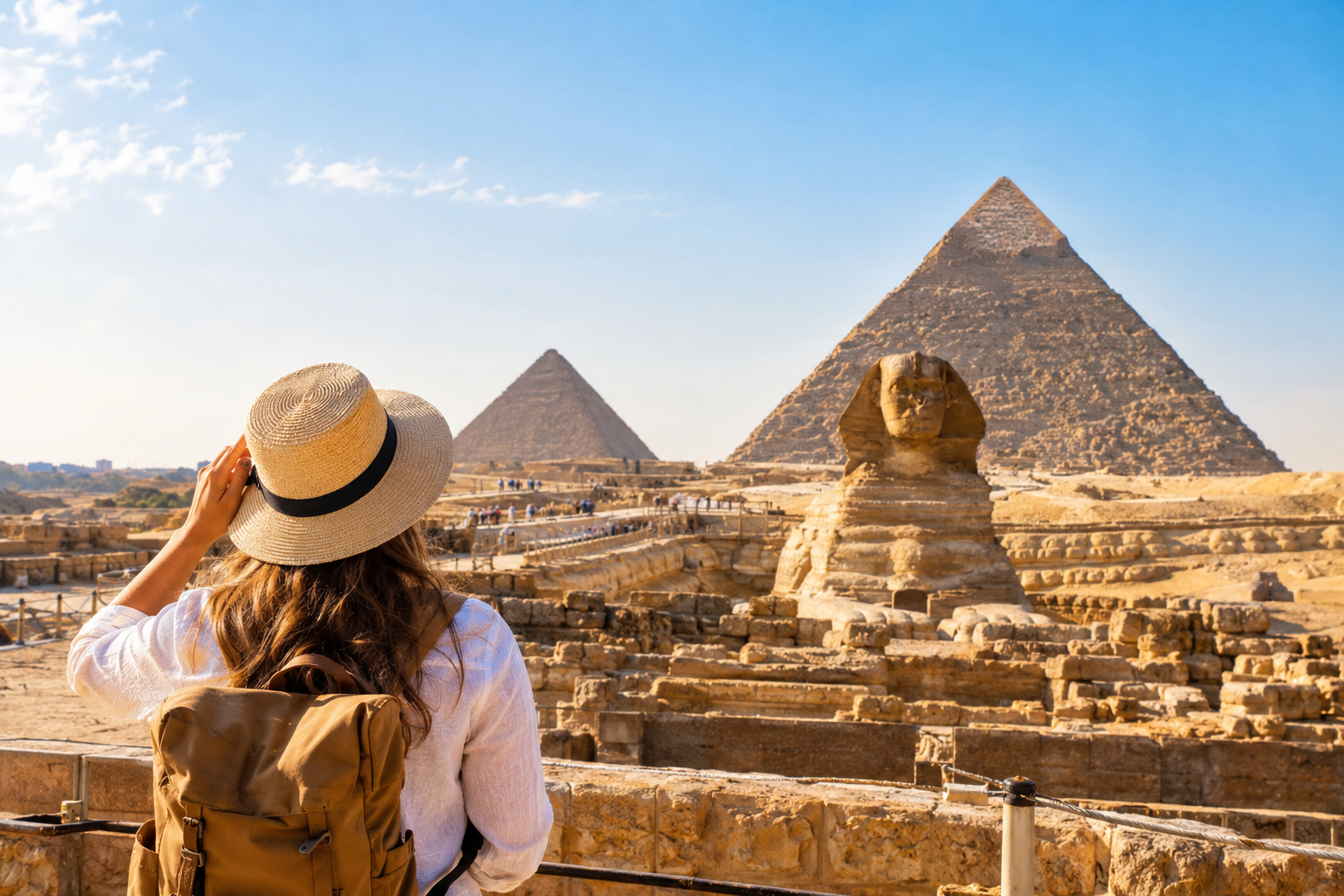
Cairo is an excellent starting point for discovering Egyptian history and contemporary city life. Visitors can explore the Giza pyramid complex, admire the Great Sphinx and spend time in museums showcasing the country’s extraordinary heritage. The city also offers traditional markets, local restaurants and historic neighbourhoods.
Luxor is often described as an open-air museum because of its concentration of ancient monuments. Highlights include Karnak Temple, Luxor Temple and the Valley of the Kings. Many travellers find the cooler months particularly suitable for exploring these extensive archaeological sites, where walking between monuments can take several hours.
Further south, Aswan offers a more relaxed atmosphere along the Nile. Visitors can explore Philae Temple, enjoy traditional felucca sailing and discover Nubian culture. It is also a starting point for excursions to Abu Simbel, one of Egypt’s most remarkable monumental sites.
For a balanced itinerary, consider combining Cairo with Luxor and Aswan rather than rushing through every attraction. Allow time for travel between cities and remember that flights, trains and organised transfers can affect how much sightseeing you manage each day.
4. Summer Travel, Red Sea Beaches and Water Activities
Although summer can be challenging for inland sightseeing, it can still be suitable for a holiday focused on the Red Sea coast.
Destinations such as Hurghada, Sharm El Sheikh and Marsa Alam attract travellers interested in swimming, snorkelling, scuba diving and resort relaxation. The warm sea and abundant marine life make these areas appealing throughout much of the year.
Summer temperatures can still be high, so beach activities are best planned around personal comfort and local conditions. Early mornings and late afternoons are generally preferable for outdoor excursions, while the hottest part of the day can be reserved for relaxing indoors or enjoying shaded facilities.
Diving enthusiasts may appreciate the flexibility of Red Sea destinations, although visibility, wind and sea conditions vary. Choose a reputable operator and follow local guidance, particularly if you are new to diving or snorkelling.
Travellers visiting Egypt between June and August should think carefully before scheduling long desert excursions or extensive temple visits in the south. Extreme heat can make these activities physically demanding, especially for children, older travellers and anyone sensitive to high temperatures.
If summer is your only opportunity to travel, consider a beach-focused itinerary with limited inland sightseeing rather than trying to cover the entire country.
5. How to Plan Your Trip Around Crowds, Budget and Experiences
Weather is important, but it is not the only factor that determines when to visit Egypt. Visitor numbers, accommodation availability, local events and travel costs can all influence your experience.
The cooler months attract many international visitors, particularly around Christmas, New Year and other popular holiday periods. If you prefer a quieter atmosphere, consider travelling during the shoulder periods of autumn or spring. Late October, November, March and early April can offer a useful balance between comfortable weather and sightseeing opportunities, although crowd levels vary by destination.
Summer may provide opportunities to find attractive accommodation offers, but savings should be weighed against the heat and the types of activities you intend to enjoy. Prices are not consistent across the country, so compare flights, hotels and excursions for your exact dates.
Religious holidays and public celebrations can also affect opening arrangements, transport and the atmosphere in major cities. Check dates before travelling, especially if you plan to visit several destinations on a tight schedule.
Good Egypt travel planning starts with choosing your main interests. History enthusiasts may prioritise Cairo and the Nile Valley, while beach lovers may prefer the Red Sea. Travellers with two weeks available could combine both, leaving sufficient time for domestic transfers and rest.
A thoughtfully planned itinerary is often more rewarding than trying to see every major attraction in a single trip.
6. Essential Seasonal Travel Tips for a Comfortable Holiday
Whatever time of year you visit, a few practical preparations can make your journey easier.
Choose lightweight, breathable clothing for daytime sightseeing, along with comfortable walking shoes. Bring sunscreen, sunglasses, a wide-brimmed hat and a reusable water bottle. During winter, pack an additional layer for cool evenings and early-morning excursions, particularly if your itinerary includes desert landscapes or Nile cruises.
Plan outdoor sightseeing for the early morning whenever possible. This is especially useful during warmer months, when temperatures can rise quickly. Take breaks in shaded areas and drink water regularly.
When visiting mosques, churches and other religious sites, dress respectfully and follow local guidance. Clothing that covers the shoulders and knees is a useful starting point, and some places may require additional coverings.
Book popular attractions, transport and accommodation in advance during busy periods. Check current opening hours and ticket arrangements close to your departure date, as these can change.
Finally, remain flexible. Weather conditions, transport schedules and the pace of guided excursions may require adjustments. Allowing extra time between activities can help you enjoy Egypt without feeling rushed.
Egypt rewards travellers who plan around both the climate and their personal interests. Cooler months are generally ideal for exploring ancient monuments and taking Nile cruises, while warmer months can suit visitors seeking sunshine and Red Sea adventures. With careful preparation, the right travel season and a well-balanced itinerary, you can experience Egypt’s extraordinary history, landscapes and hospitality at a pace that suits you.