







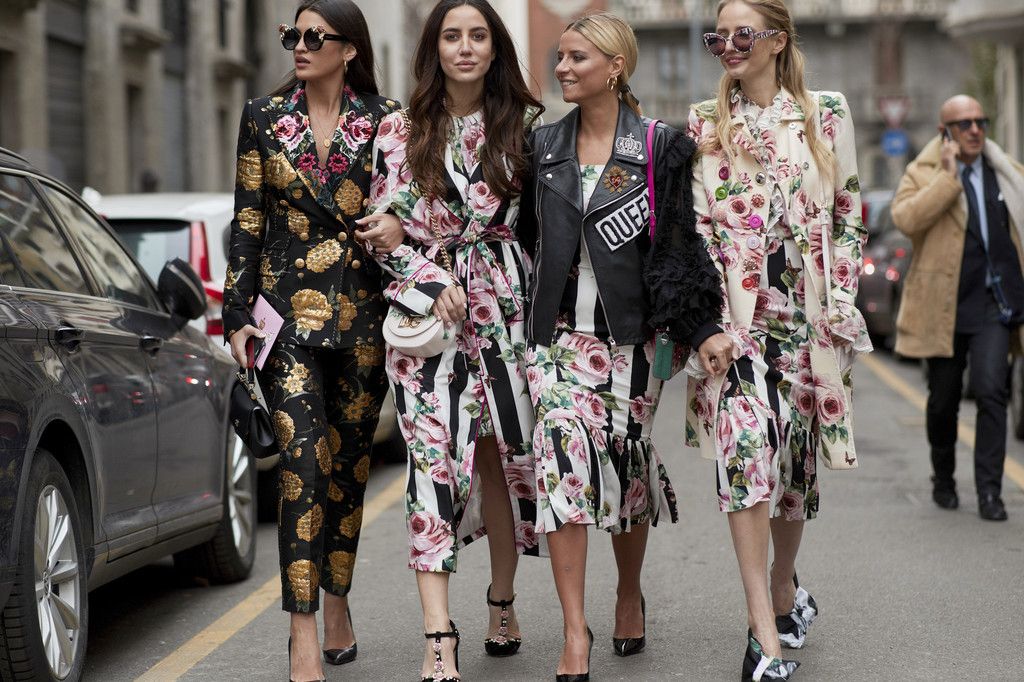
Choosing the right dresses for a boutique takes more than following the latest fashion trends. Every retail business serves customers with different tastes, budgets and clothing preferences. When sourcing wholesale ladies dress collections, retailers should consider customer demand, garment quality, sizing and the types of dresses that suit their market.
A relaxed cotton dress may attract regular buyers in a casual fashion boutique, while an occasionwear shop may receive greater interest in elegant midi and maxi designs. These differences affect buying decisions, stock movement and customer satisfaction.
For UK boutique owners, understanding their target market is essential before placing wholesale orders. This guide explains how to choose suitable dress styles for different retail markets, assess garment quality and build collections that reflect actual customer demand.
Understanding Different Boutique Markets in the UK
The UK fashion retail market includes independent high-street boutiques, online clothing stores, specialist fashion shops and market traders. Each business serves customers with different expectations.
Retailers should begin by reviewing their existing sales, customer feedback and popular product categories. This information provides a more reliable starting point than choosing designs based only on general fashion trends.
Independent High-Street Boutiques
High-street boutiques often benefit from a carefully selected dress collection that reflects their regular customers’ preferences.
For example, a boutique serving customers who prefer comfortable everyday clothing may focus on relaxed midi dresses, shirt dresses and simple printed designs. A fashion-led boutique might offer more distinctive cuts, seasonal colours and decorative details.
Retailers should consider how new styles fit alongside their existing collections. Introducing unfamiliar designs in smaller quantities can help them assess demand without committing too much of their buying budget.
A consistent selection also makes it easier to maintain a clear fashion identity.
Online Fashion Retailers
Online boutiques can sell to customers across the UK, but they face different challenges from physical shops.
Customers cannot try garments on before purchasing, making accurate product information particularly important.
Retailers should check dress measurements, fabric composition, sleeve lengths and whether materials offer stretch. Product photographs should also show the garment’s shape and important design details.
For example, a loose-fitting dress may appear more fitted in photographs depending on how it is presented.
Clear descriptions and reliable sizing information can reduce customer confusion and help buyers make informed decisions.
Market Traders and Independent Fashion Sellers
Market traders may serve customers looking for fashionable clothing at accessible prices.
Printed dresses, relaxed designs and comfortable everyday styles can be suitable choices, depending on the market’s customer base.
However, retailers should not assume that every market attracts identical buying preferences.
Observing popular colours, sizes and dress lengths can help traders identify which styles deserve more space in their next wholesale order.
Selecting Dress Styles for Different Customer Needs
Once retailers understand their market, the next step is choosing dresses that meet specific customer preferences.
Dress length, fabric, fit and design all influence whether a garment suits a particular boutique.
Casual Dresses for Everyday Fashion
Boutiques specialising in casual womenswear may benefit from practical dresses that customers can wear regularly.
Cotton-rich dresses, jersey designs, relaxed midi styles and shirt dresses are worth considering where comfort and simple care are important.
Fabric composition affects how a garment feels, hangs and performs during use.
For instance, jersey fabrics often provide flexibility, while woven cotton can offer a more structured appearance. However, the final result depends on the fabric’s weight, construction and finish.
Retailers should also review washing instructions and garment measurements.
Choosing dresses with suitable fabrics and practical designs can help a boutique maintain a collection that meets its customers’ everyday clothing needs.
Occasionwear for Specialist Fashion Boutiques
Boutiques focusing on weddings, celebrations and evening fashion require a different selection from casual clothing shops.
Retailers researching fancy dress wholesale should understand that costume-style fancy dress and fashionable occasionwear are different product categories. The intended market should determine which type is suitable.
For occasionwear retailers, satin-look dresses, pleated midi styles, embellished designs and flowing maxi dresses may be relevant options.
Quality is especially important when garments include decorative details.
Buyers should examine stitching, lining, fastening quality and the attachment of embellishments. Poor finishing may affect the garment’s appearance and increase the risk of customer complaints.
Seasonal events can influence occasionwear demand, so retailers should review previous sales before increasing their orders.
Italian-Inspired Dresses for Relaxed Fashion Boutiques
Relaxed Italian-inspired fashion is another category that may suit independent UK boutiques.
Retailers researching wholesale dresses italy may be looking for Italian-made clothing, distinctive European designs or relaxed fashion suitable for their customers.
However, Italian-inspired styling does not automatically mean a garment was manufactured in Italy. Buyers should confirm the country of origin through accurate supplier information.
Popular design characteristics within this fashion category can include flowing shapes, relaxed tunic dresses, loose midi styles and lightweight fabrics.
Linen blends, cotton-rich materials and soft woven fabrics may be appropriate, depending on the season.
Retailers should pay attention to garment measurements because oversized designs can vary considerably between suppliers.
Inclusive Sizing for Different Customer Groups
Boutiques serving customers across different clothing sizes should pay particular attention to fit and garment proportions.
When purchasing plus size wholesale clothing, retailers should assess actual measurements rather than relying only on size labels.
Bust measurements, sleeve openings, waist placement and hip proportions can affect how comfortably a dress fits.
For example, a dress offered in several sizes may not provide the same fit across the entire range if the proportions have not been adjusted appropriately.
Retailers should request clear size information and check whether different designs follow consistent measurements.
Offering accurate sizing guidance can help boutiques serve a wider customer base and reduce avoidable fit-related returns.
Evaluating Wholesale Dress Suppliers and Product Quality
Finding suitable dress designs is important, but retailers must also assess the reliability of the products and information supplied.
When comparing dress wholesalers manchester, buyers should consider garment quality, available size ranges, fabric specifications and ordering arrangements.
Manchester is an established UK fashion wholesale centre, although a supplier’s location alone does not guarantee product quality.
Retailers should evaluate each supplier against the requirements of their business.
Important Quality Checks Before Buying
Before committing to larger quantities, buyers should examine the following details:
- Fabric quality: Check composition, thickness, texture and whether the material suits the intended season.
- Stitching and finishing: Inspect seams, hems and areas that may experience regular movement.
- Sizing accuracy: Compare garment measurements with the supplier’s size information.
- Fastenings: Check buttons, zips and other closures for secure attachment and smooth operation.
- Care requirements: Review washing instructions and any special garment care needs.
Where samples are available, examining them can provide useful information that photographs alone cannot show.
For example, two dresses may look similar online but have different fabric weights and levels of stretch. These differences can affect their suitability for different boutique customers.
Building a Dress Collection Around Real Demand
A suitable dress collection should reflect the boutique’s existing customers while allowing room for carefully selected new styles.
Retailers can review previous sales to identify which dress lengths, fabrics, colours and sizes receive consistent demand.
Consider a hypothetical boutique that mainly sells relaxed everyday dresses. The owner could introduce a small selection of occasionwear to assess customer interest before increasing the range.
This approach allows the retailer to make decisions using actual sales results rather than assumptions.
Seasonal buying also requires attention. Lightweight dresses may be more suitable during warmer months, while knitted and long-sleeved designs can become more relevant during colder periods.
However, weather, customer preferences and local demand can influence these patterns.
Regularly reviewing sales performance helps retailers identify which styles deserve repeat orders and which may need reconsideration.
Choosing Dresses That Match Your Boutique Market
Selecting the right dresses begins with understanding the customers a boutique serves. Fabric quality, garment fit, pricing and design should all support the needs of that particular market.
Rather than purchasing every fashionable style, retailers should focus on collections that match their existing business identity and customer demand.
Reviewing previous sales, checking supplier information and testing unfamiliar designs in manageable quantities can support more confident buying decisions.
Whether a boutique specialises in casual clothing, occasionwear, relaxed fashion or inclusive sizing, a well-planned dress selection can improve customer satisfaction, support healthier stock movement and help retailers make better use of their wholesale buying budgets.