





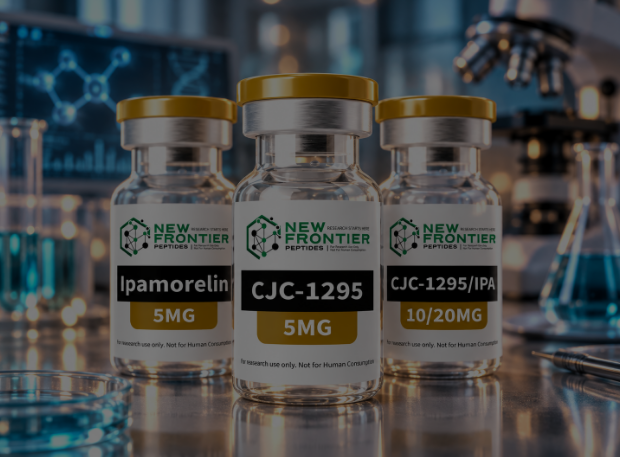
Two studies may examine growth hormone signaling, but what makes their findings comparable? Every experiment begins with a biological question and a method suited to answering it. Researchers may examine receptor interactions, measure hormone responses, or verify a sample’s molecular identity. Each approach produces different evidence, shaping how the results are interpreted.
Comparing CJC-1295 peptide with ipamorelin peptide also requires examining study design and laboratory documentation. Certificates of analysis provide sample-specific testing results, while batch records establish traceability. Together, these details help readers understand what researchers measured, how the findings were interpreted, and where the evidence has limitations.
Key Takeaways
- CJC-1295 and Ipamorelin have distinct mechanisms and research applications.
- Study design and experimental methods influence how researchers interpret findings.
- Certificates of analysis, purity testing, and batch records support laboratory documentation and traceability.
CJC-1295 Peptide vs. Ipamorelin: 5 Key Differences in Applications and Laboratory Documentation
GHRH vs. Ghrelin Receptors
Both compounds have been studied for their influence on growth hormone release, but they act on different receptors. CJC-1295 peptide activates the GHRH receptor, which responds to the body’s growth hormone-releasing signal. Ipamorelin activates GHS-R1a, a receptor that also responds to ghrelin.
A rise in growth hormone alone cannot show which receptor produced it. Receptor-specific experiments provide that context. When comparing papers, it helps to see whether researchers measured receptor activation, hormone concentrations, or both. Each result answers a different question, so similar hormone readings should not be mistaken for identical signaling pathways in separate experiments.
Duration vs. Hormonal Selectivity
In a study involving healthy adults, researchers found that DAC-containing CJC-1295 peptide had an estimated half-life of 5.8 to 8.1 days. The prolonged activity was accompanied by elevated average growth hormone levels for at least six days, while IGF-I levels remained elevated for approximately nine to eleven days.
While CJC-1295 research examined the duration of hormonal activity, early ipamorelin research focused on selectivity. An animal study found increased growth hormone release without a significant additional rise in ACTH or cortisol compared with the GHRH response. However, differences in experimental models and measured outcomes prevent direct conclusions about clinical effectiveness.
DAC vs. Pentapeptide Identification
Before comparing samples, researchers need to know which compound form was supplied. The CJC-1295 peptide is based on growth hormone-releasing hormone (GHRH). In an early study of its design, researchers described a drug affinity complex (DAC) that helped the molecule bind to albumin in blood. Ipamorelin, by contrast, contains five amino acids rather than a modified GHRH sequence.
Some suppliers also use the label “CJC-1295 without DAC” for a different preparation. The identity record should therefore specify the amino acid sequence and chemical modifications for the material supplied. Molecular mass testing can help check those claims, but the report must clearly identify the exact form tested.
Purity and Impurity Testing
Purity testing helps laboratories understand what else may be present in a sample. High-performance liquid chromatography (HPLC) separates components into peaks, making certain impurities visible. However, a reported 99% purity figure needs supporting test results to explain what was measured.
According to peptide testing guidance, some synthesis byproducts can overlap with the main HPLC peak, making impurities harder to detect. The research also recommends using mass spectrometry alongside chromatography to identify these components. When comparing peptide products, reviewing both results helps researchers assess impurity profiles and the documented purity of each CJC-1295 or ipamorelin preparation.
Batch Traceability and Stability
A certificate of analysis should match the batch a laboratory receives. For a CJC-1295 for sale listing, compare the certificate’s lot number and stated DAC form with the vial label. Ipamorelin records should likewise show the lot number, test date, methods, and actual results.
Stability records address what happened after testing. Recommended storage temperatures, shipping conditions, and any documented temperature excursions help laboratories assess how each batch was handled. These requirements concern the material in the vial, not the biological half-life reported in research. Matching the certificate, batch number, and handling records gives researchers a clearer picture of its history.
| Documentation | CJC-1295 | Ipamorelin |
| Identity | Sequence, molecular form, and DAC status | Specified five-amino-acid sequence and form |
| Analytical evidence | HPLC and mass results for the named preparation | HPLC and mass results for the stated material |
| Traceability | Lot number, test date, and matching CoA | Lot number, test date, and matching CoA |
| Handling | Conditions documented for the supplied form | Conditions documented for the supplied form |
Conclusion
Comparing research on CJC-1295 peptide and ipamorelin involves more than placing growth hormone findings side by side. These compounds act through different receptors and have distinct molecular structures, so study methods influence how results should be interpreted. Understanding the experimental conditions helps clarify what researchers investigated and what their findings can establish.
Evaluating research materials also requires attention to laboratory documentation. Certificates of analysis, purity results, and batch records help document sample identity and traceability. Reviewing these records alongside published studies gives researchers a basis for assessing the evidence and recognizing the limitations of findings and supplier claims.
FAQs
Are research-only peptides safe for people?
No. According to the FDA, compounded peptides such as CJC-1295 and ipamorelin may pose safety risks; research-only labels do not establish human safety.
What documentation should researchers check in retatrutide for sale listings?
Look for batch-specific identity testing, purity results, a matching certificate of analysis, and handling requirements. These checks apply across research peptides.
Can we use the same testing methods for TB-500 for sale and other research peptides?
Yes. HPLC and mass spectrometry can assess different peptides, but identity specifications, impurity profiles, and batch-specific results must match each material.
.