






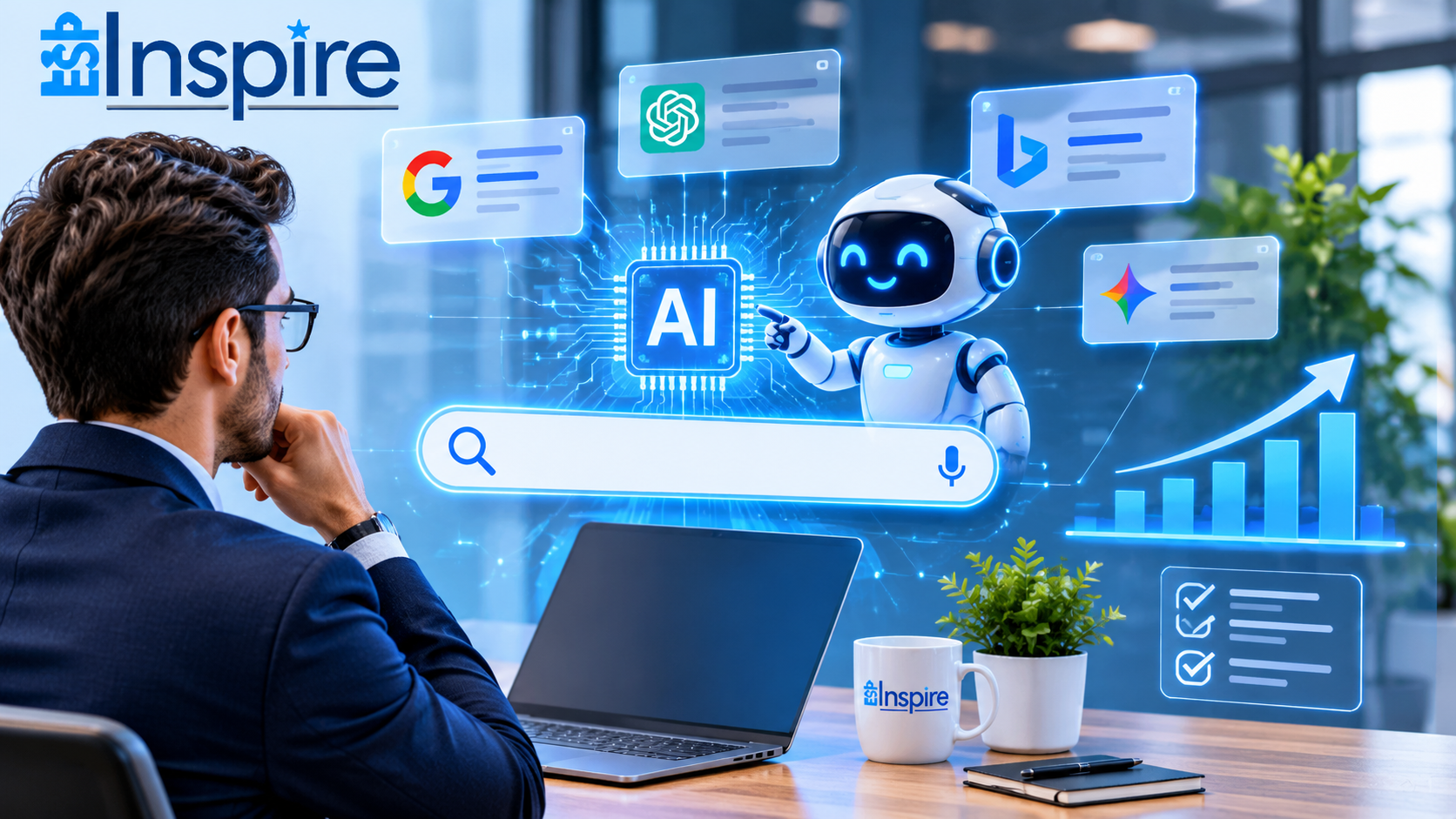
The way customers discover businesses is undergoing a major transformation. In the past, people generally searched for products and services through traditional search engines, explored different websites, and compared information manually. Today, AI-powered platforms are making this process more conversational and direct.
Users can ask questions, request recommendations, compare providers, and receive summarized answers within seconds. This shift is creating new opportunities and challenges for businesses that want to remain visible online.
For organizations looking to adapt, understanding Generative Engine Optimization (GEO) is becoming increasingly important. It focuses on preparing digital content and brand information for an environment where artificial intelligence plays a growing role in information discovery.
The Changing Relationship Between Search Engines and AI
Traditional search engines typically present users with a list of webpages based on their queries. AI-powered search experiences can take a different approach by combining information from multiple sources into a conversational response.
For example, someone looking for a marketing consultant might ask an AI assistant to compare agencies, explain available services, or recommend solutions for a particular industry.
Instead of visiting several websites immediately, the user may first interact with an AI-generated summary.
This change means businesses need to consider how their information is presented, organized, and understood across the internet. A strong digital presence should communicate expertise clearly, provide useful answers, and maintain consistent brand information.
Why GEO Is Becoming Important for Modern Brands
Generative Engine Optimization is not simply another name for traditional SEO. It expands the conversation by considering how AI-powered systems interpret and reference online information.
Businesses can benefit from developing GEO strategies because they help address several important areas:
- Improving the clarity of website information
- Creating content that answers specific customer questions
- Strengthening brand recognition across relevant platforms
- Organizing information with structured data
- Developing credible industry references
- Monitoring visibility in AI-generated responses
These activities can contribute to a stronger online presence. However, appearing in AI-generated answers is not guaranteed, because each platform uses its own systems and sources.
The Role of a Generative Engine Optimization Agency
As AI-driven search continues to develop, businesses may need specialized guidance to understand how their existing SEO strategies should evolve. A generative engine optimization agency can help organizations evaluate their digital presence and identify opportunities to improve how their expertise and services are represented online.
Rather than focusing only on keyword rankings, an agency may examine brand mentions, content quality, technical website structure, industry authority, and visibility across relevant AI search platforms.
The objective is to make business information easier to discover, interpret, and potentially reference in AI-powered search experiences.
A well-planned strategy should also connect GEO activities with broader digital marketing goals, including organic traffic, customer engagement, and lead generation.
Building Content That Answers Real Questions
One of the most important parts of GEO is developing useful and informative content.
Many websites were traditionally created around short search phrases. However, conversational search often involves longer and more specific questions.
For example, a business owner may ask:
- How can AI improve digital marketing?
- What is the difference between GEO and SEO?
- Which marketing strategy is suitable for a growing company?
- How can a website become more visible in AI search?
Content that addresses these questions directly can provide a better experience for readers while making important information easier for search systems to interpret.
Businesses should focus on clear explanations, logical headings, accurate information, and practical examples. Publishing large amounts of repetitive content simply to target more keywords is unlikely to create lasting value.
Why Technical Optimization Still Matters
Although content quality is essential, technical website performance remains an important part of digital visibility.
A website should have a logical structure that allows search engines and other systems to access and understand its information.
Important technical considerations include:
Structured Data Implementation
Schema markup helps describe the meaning and context of website content. Businesses may use appropriate structured data to identify organizations, services, articles, and other relevant information.
Website Accessibility and Crawlability
Important pages should be accessible, properly linked, and organized so that search engines can discover their content.
Consistent Business Information
A company should maintain accurate information about its name, services, expertise, and other important details across its website and relevant online profiles.
Strong Internal Linking
Relevant internal links connect related pages and help visitors explore additional information. They also provide useful context about how different subjects and services relate to one another.
Developing Brand Authority Beyond Your Website
A company’s reputation is not established through its website alone. Industry publications, professional discussions, relevant directories, and editorial coverage can contribute to how a brand is represented online.
For example, a technology company that regularly publishes useful research, contributes expert insights, and maintains consistent service information may develop a stronger digital reputation.
Businesses can support this process through:
- Original research and educational resources
- Relevant guest articles
- Digital public relations
- Expert contributions to industry publications
- Genuine customer reviews
- Consistent company profiles
The focus should remain on credibility and relevance rather than generating large quantities of low-quality backlinks.
How Businesses Can Evaluate GEO Performance
Measuring the impact of GEO requires a broader approach than traditional ranking reports alone.
Organizations can monitor several indicators to understand how their online visibility is developing.
AI brand mentions: Check whether relevant AI platforms mention the company when answering questions related to its services.
Citation visibility: Monitor whether the company’s website or other authoritative sources are referenced in relevant AI-generated responses.
Referral traffic: Review website analytics for visits coming from AI-powered platforms.
Branded search activity: Track whether more people are searching directly for the business name.
Lead quality: Evaluate whether changes in online discovery contribute to meaningful inquiries and conversions.
Because AI-generated answers can vary by query, platform, and context, businesses should use consistent testing methods rather than relying on occasional observations.
Combining GEO With a Long-Term SEO Strategy
Businesses should not abandon traditional SEO while investing in generative search optimization. Technical SEO, useful content, relevant backlinks, website usability, and search intent remain important elements of a successful digital strategy.
GEO can build upon these foundations by helping businesses prepare their information for AI-powered discovery.
The most effective approach is to develop a connected strategy that supports traditional organic visibility while improving the clarity, credibility, and accessibility of brand information across the wider digital environment.
Preparing for the Next Generation of Online Discovery
AI-powered search is changing how people research businesses and evaluate potential solutions. Organizations that pay attention to content quality, technical foundations, brand consistency, and online authority can build a stronger position as these technologies continue to evolve.
Generative Engine Optimization offers businesses a way to adapt their digital marketing approach to this changing environment. With a clear strategy and realistic performance goals, companies can prepare their online presence for a future where discovery increasingly involves AI-generated answers and conversational search. Read more blog