





Packaging operations need to balance speed, consistency, product protection, and efficient use of materials. A shrink machine can support these goals by automating or simplifying the process of wrapping products in heat-sensitive film. Depending on the application, these systems can handle individual products, multipacks, bundles, and larger industrial loads while producing a tight and uniform package.
Rather than treating shrink wrapping as a single machine type, businesses should consider the complete packaging process. Film selection, sealing method, heat application, production volume, product dimensions, and available floor space can all influence which system is appropriate.
What Is a Shrink Machine and How Does It Work?
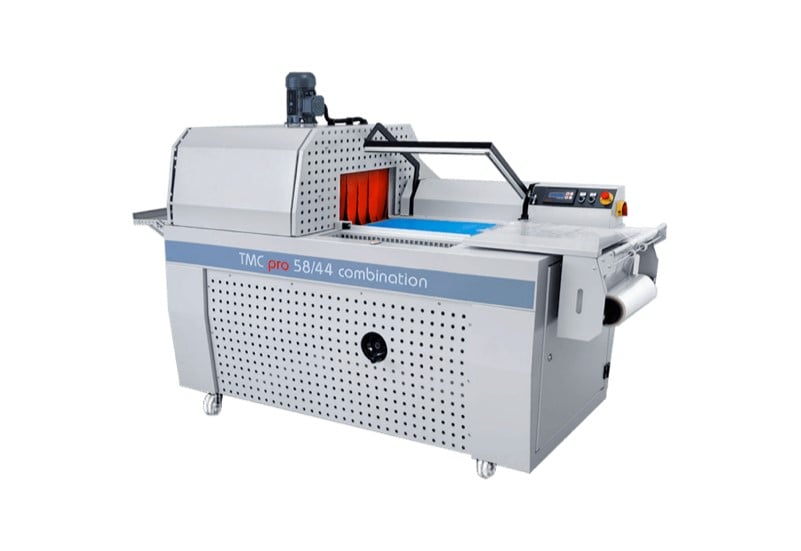
The basic process generally involves three stages: wrapping, sealing, and shrinking. Some equipment combines these functions into a single system, while larger packaging lines may use separate machines connected by conveyors or other material-handling equipment. A shrink machine uses heat-sensitive plastic film to enclose a product or group of products. After the film is positioned and sealed, controlled heat causes it to contract around the package. This creates a close-fitting outer layer that can help protect products from dust, handling, and some environmental exposure while also improving presentation.
How Does a Shrink Machine Improve Production Efficiency?
One of the main advantages of automated packaging equipment is repeatability. Manual wrapping can vary between operators, particularly when production volumes increase. Automated systems can standardize important steps such as film feeding, sealing, product movement, and heat application.
A shrink machine can also reduce unnecessary handling. Once products are properly positioned within the packaging process, automated equipment can move them through successive stages with limited manual intervention. This can make the workflow easier to organize and help production teams maintain consistent output.
Choosing the Right Machine for Your Packaging Needs
The correct equipment depends heavily on what is being packaged and how frequently it must be wrapped. Several factors should be evaluated before selecting a system.
Product Size and Shape
Products with unusual dimensions, sharp edges, varying heights, or irregular shapes may require different sealing arrangements and film-handling capabilities. The machine should accommodate the largest expected package dimensions without compromising the quality of smaller packages.
Production Volume
Throughput is another important consideration. A small operation with occasional packaging requirements may not need the same equipment as a high-volume manufacturing or distribution facility.
Film Type
Shrink films differ in material properties, thickness, shrink characteristics, and intended applications. Polyolefin, polyethylene, and other film types may require different processing conditions and equipment configurations.
Common Types of Shrink Packaging Equipment
Not every packaging operation needs the same machine configuration. Equipment can range from compact L-sealers to continuous side sealers and integrated systems. A shrink machine can improve packaging operations and support different levels of production automation.
L-sealers are commonly used to seal film around products before they move through a shrink tunnel. Depending on the model, they may be manually operated, semi-automatic, or fully automatic. Side sealers can provide continuous sealing and are particularly useful in production environments where consistent throughput is important.
Maintenance Matters for Long-Term Performance
Routine inspections should include sealing components, film paths, conveyors, temperature controls, and heat-tunnel areas. Operators should also follow the manufacturer’s maintenance schedule and operating instructions rather than adjusting equipment outside recommended parameters.
Even a well-designed shrink machine requires regular maintenance. Film residue, worn sealing components, incorrect temperature settings, conveyor problems, and poor airflow can gradually affect package quality.
Conclusion
The most suitable system depends on product dimensions, packaging material, throughput, sealing requirements, available space, and integration needs.
For businesses comparing equipment options, Maripak USA provides a broad range of shrink packaging machinery, including L-sealers, side sealers, industrial wrapping systems, and heat tunnels, along with technical support and parts services.
Ultimately, selecting packaging equipment should begin with the actual production process rather than machine specifications alone. Matching the equipment to product requirements, film characteristics, throughput, and maintenance capabilities can help create a packaging system that remains reliable as operational needs evolve.