





The range is the working heart of a kitchen, and few appliance decisions affect daily cooking as much. Heat control, oven consistency, cleaning effort, and layout fit all shape how enjoyable meals are to prepare, and a poor match becomes obvious within weeks. Many buyers focus on appearance first, then discover that burner layout or oven capacity does not suit how they cook. Understanding how kitchen ranges differ in fuel type, size, construction, and features makes the decision far easier. This article explains the main fuel options, how to judge oven performance, what separates the upper tiers, and how to plan the installation so the new appliance works properly from the first day.
Gas, Electric, Induction, and Dual Fuel
Fuel type sets the cooking character of any appliance. Gas gives instant visual feedback and works during power cuts, while electric smooth-top surfaces are easy to wipe clean. Induction heats cookware directly through magnetic energy, which delivers fast boiling and very precise adjustments while keeping the surface cooler. Dual fuel pairs a gas cooktop with an electric oven, a combination many bakers prefer because electric ovens hold steady temperatures well. When comparing kitchen ranges, confirm which connections your home already has, since adding a gas line or a 240-volt circuit raises the total cost.
Understanding the Oven Below the Burners
A kitchen stove and oven work as one unit, but the oven deserves its own evaluation. Capacity is usually listed in cubic feet, and a 5-cubic-foot cavity comfortably fits a large roasting pan with room around it. True convection uses a third heating element and fan to circulate air, which improves browning and allows several racks to bake evenly.
Look for accurate thermostats, easy-glide racks, bright lighting, and a self-cleaning cycle. A strong oven turns the best kitchen ranges into reliable tools for baking, roasting, and entertaining.
Features That Define the Upper Tiers
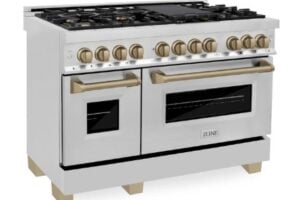
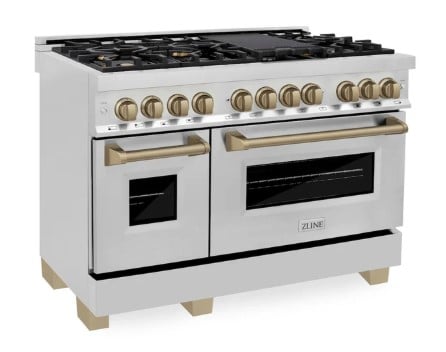
Price differences reflect construction and control rather than looks alone. A high-end kitchen range typically uses heavy stainless steel, metal knobs, sealed brass burners, and cast-iron grates that resist warping. Burners often span a wide output range, from a true low simmer for delicate sauces to a powerful setting above 18,000 BTU for searing. Griddles, grill sections, and larger ovens add flexibility for serious cooks. Warranty length and service availability matter here, because a repair delay on an expensive appliance is hard to accept.
Sizing, Ventilation, and Installation Planning
Standard widths are 30 and 36 inches, with larger sizes available for bigger kitchens. Measure the opening, check clearances to nearby cabinets, and confirm that the floor is level. Higher burner output demands stronger ventilation, so match the range with a hood rated for the heat it produces, ideally ducted outdoors. An anti-tip bracket is a required safety item that secures the unit to the wall or floor. Hiring a licensed installer for gas and electrical connections protects the warranty and reduces risk, and careful planning keeps kitchen ranges performing safely for years.
Conclusion
Choosing well comes down to fuel type, oven quality, build strength, and proper installation. Measure carefully, compare warranties, and think honestly about how you cook each week. Shoppers who want to see a range of sizes, finishes, and configurations in one place can browse the selection at Smart Home Luxury, which makes side-by-side comparison simpler. Routine care, such as cleaning spills promptly, checking burner ports, and keeping vents clear, protects performance. With thoughtful research, the right kitchen ranges can anchor a kitchen that cooks beautifully and looks consistent for many years.