






The search for the best interior designer Bay Area homeowners can work with is personal. The right choice depends on the property, the project’s complexity and the kind of relationship you want with the design professional. Some homeowners need help furnishing a few rooms; others want a coordinated plan across the home. Kanika Design is a Bay Area interior design studio worth exploring as part of a considered shortlist. Before making a decision, understand what each studio offers and how its process aligns with your priorities.
Decide what success looks like
Start with the outcome rather than a style name. You may want a kitchen that supports more efficient cooking, a living room that accommodates guests, a bedroom that feels restful or a home where different rooms feel connected. Describe what should improve and how you will use the space once the work is complete.
A practical brief can include the number of rooms, the property’s current condition, existing furniture, preferred atmosphere and approximate project timing. It should also identify any constraints, such as limited access, household schedules or a need to complete work in stages.
- Write down three priorities for the project.
- Identify what must remain and what can be changed.
Explore the designer’s portfolio carefully
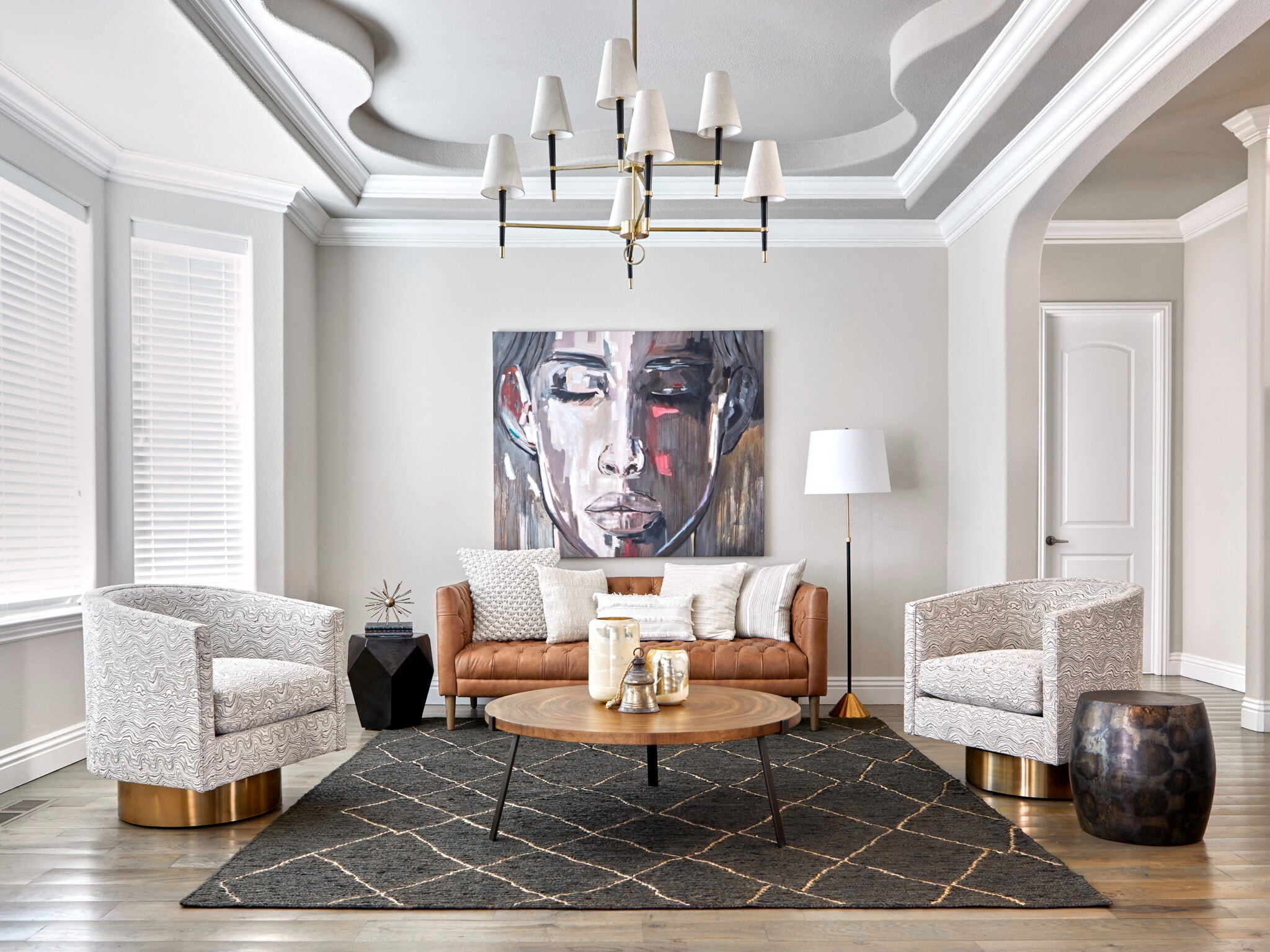
Look for variety and evidence of thoughtful problem-solving. A portfolio should show how the designer handles proportion, lighting, materials and furniture arrangements across different spaces. Pay attention to details that affect everyday use, such as storage, circulation and the placement of task lighting.
Kanika Design’s published articles discuss both timeless kitchen planning and eclectic interiors. The kitchen guidance prioritises layout and other difficult-to-change elements before decorative finishes. The eclectic design article explains how varied furniture and objects can be connected through repeated colours, materials and proportions. These ideas provide useful context for evaluating a studio’s design thinking.
- Look for projects with a comparable scale or level of complexity.
- Ask what challenges the designer addressed in a featured project.
Understand the difference between design styles
Style labels can help describe preferences, but they should not restrict the design conversation. Contemporary, traditional, transitional, eclectic and minimalist interiors can all be interpreted in different ways. The same label may produce very different results depending on the architecture, materials and people involved.
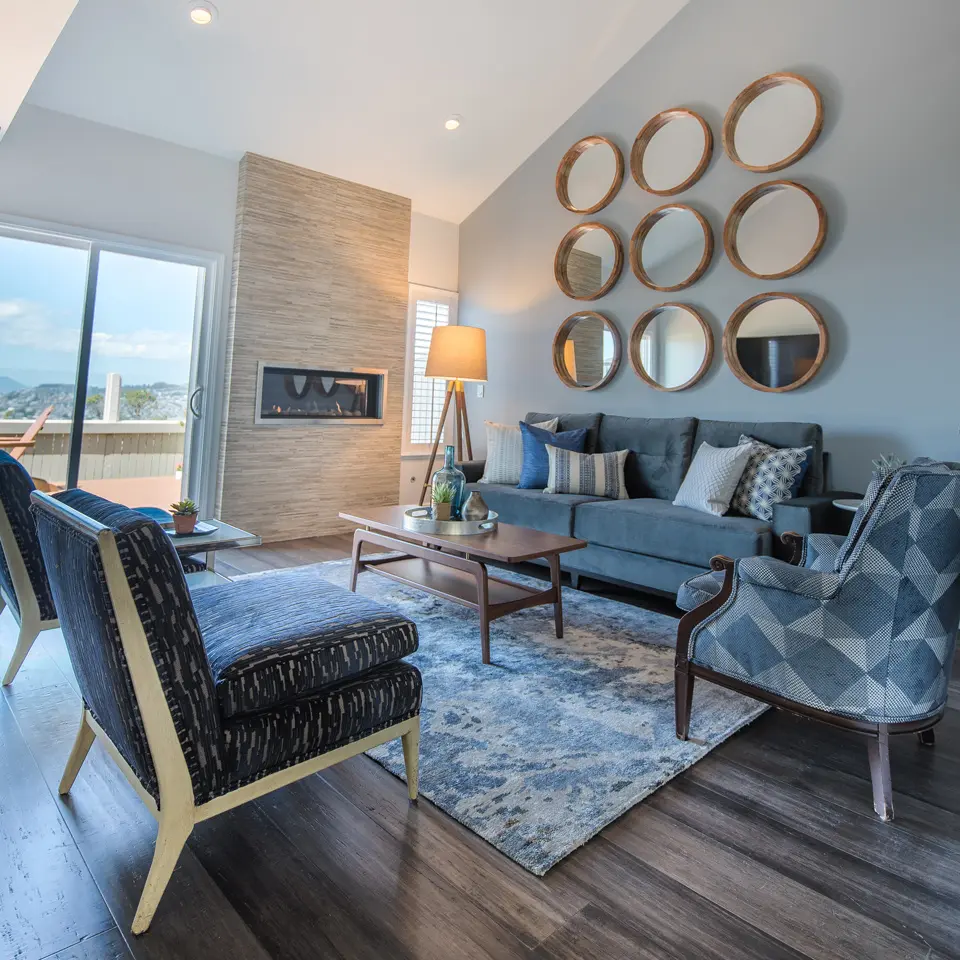
Eclectic design is a useful example. It does not mean placing unrelated objects in one room. A coherent eclectic interior uses common threads such as colour, shape, proportion or texture to connect pieces from different periods. Similarly, a timeless kitchen is not simply a popular combination of white cabinetry and stone; it is a room whose underlying decisions support long-term use.
- Discuss the atmosphere and function you want, not only style labels.
- Ask how the designer will adapt references to your actual home.
Consider local expertise and the property itself
A home in Menlo Park, Atherton or another Bay Area community may have different spatial conditions and project requirements from a compact city residence. The designer should assess the property rather than assume a standard layout. Natural light, room proportions, existing finishes and the connection between indoor spaces all influence the design.
If construction or service changes are part of the project, local requirements and specialist responsibilities need attention. Confirm whether the designer coordinates with architects, contractors and trades, and who is responsible for permits, inspections and technical decisions.
- Discuss the home’s existing architecture and fixed features.
- Confirm how regulated or structural work will be handled by qualified professionals.
Review the proposed service and fee structure
The phrase full service can mean different things across studios. One proposal may include concepts and specifications, while another may include procurement and installation coordination. Compare the actual deliverables, number of rooms, revisions, meetings and responsibilities instead of relying on the service label alone.
Ask how fees are calculated and what costs are separate. Furniture, custom fabrication, shipping, taxes, storage and installation may be treated differently from design fees. A clear written proposal should explain assumptions, exclusions and payment stages.
- Request a detailed scope and fee schedule.
- Clarify how changes to the brief affect fees and timing.
Assess communication and decision-making
Design projects involve many decisions, and homeowners should understand when their input is required. Ask how concepts and selections are presented, how feedback is incorporated and how approvals are recorded. Clear documentation reduces confusion when several products, trades or rooms are involved.
A good first meeting should feel like a conversation, not a sales presentation. The interior design firm Menlo Park should ask about your routines and constraints, explain the process and be transparent about what is not known yet. You should feel comfortable raising questions about budget, timing and responsibilities.
- Agree on a main contact and update rhythm.
- Ask how urgent site questions and product issues are escalated.
Know when a smaller intervention is enough
Not every room needs a complete redesign. Sometimes a layout adjustment, new lighting, reupholstery or a more deliberate arrangement of existing objects can make a meaningful difference. Kanika Design’s eclectic interiors guidance notes that editing and regrouping can be more effective than buying additional pieces.
A full-service project becomes more relevant when several decisions depend on one another: multiple rooms need to connect, custom storage is required, existing furnishings must be integrated with new purchases or permanent finishes are changing. Be honest about the level of help you need.
- Ask whether a consultation or limited-scope service could meet your needs.
- Avoid committing to a larger project if a smaller, clearly defined update is sufficient.
Conclusion
The best interior designer Bay Area choice is not necessarily the studio with the most dramatic portfolio. It is the one whose process, communication and services fit your home and your expectations. Kanika Design is one Bay Area studio to include in your research for personalised residential interiors. Compare relevant work, ask detailed questions and review the written agreement before moving ahead.