




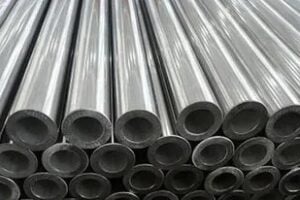


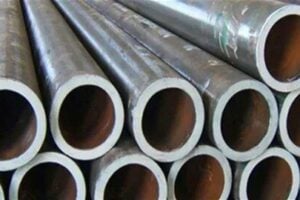
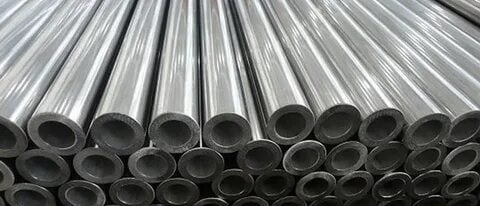
The demand for stainless steel 316 pipes is growing. These pipes are needed in chemical processing, marine engineering, oil and gas, pharmaceuticals, and food processing. Supplier selection affects product quality, project reliability, and long-term operational performance. Choosing the right supplier impacts procurement efficiency. It also affects compliance, maintenance costs, and total lifecycle value. Industrial buyers must evaluate key factors before sourcing Stainless Steel 316 pipes for critical infrastructure. Jayesh Metal Corporation understands these requirements. The correct source determines how a project functions over the years.
Understanding the Industrial Importance of Stainless Steel 316 Pipes
Stainless Steel 316 pipes have specific characteristics. The material contains molybdenum. This addition improves corrosion resistance against chlorides and industrial solvents. The durability and performance advantages make these pipes necessary for harsh environments. Common industrial applications require reliable material quality to prevent system failures. Chemical plants and offshore platforms use these pipes to handle corrosive fluids. The metal maintains structural integrity under pressure and functions well in high temperatures. You need a material that resists degradation over time.
Why Supplier Selection Matters Beyond Product Pricing
Supplier reliability connects directly to project success. Buyers often look at the initial price first. This is a mistake. Severe risks are associated with inconsistent material quality. A low-quality pipe with poor metallurgy fails early. This causes leaks and system downtime. You must weigh long-term value against short-term procurement savings. Replacing a failed pipe costs much more than buying a good one initially. A reliable supplier provides consistent batches so you get exactly what you specify. The overall project timeline stays on track.
Evaluating Material Quality and Manufacturing Standards
Compliance with International Specifications
Pipes must meet ASTM, ASME, EN, and other recognised standards. These specifications define the exact chemical composition and mechanical properties. You must buy from suppliers with certified manufacturing processes. This guarantees the pipes perform as expected in industrial settings. Non-compliant materials cause immediate regulatory issues.
Material Traceability and Quality Assurance
Inspection procedures and quality control practices are mandatory. Every pipe must have a clear history. Documentation supporting product authenticity proves the origin of the steel. You need to trace the heat number back to the original melt. Good suppliers maintain strict records and verify the metal at every step.
Assessing Supplier Experience in Stainless Steel 316 Pipe Supply
Industry expertise and technical knowledge separate decent suppliers from great ones. Suppliers must have experience serving specialised industrial sectors. A supplier providing pipes for commercial plumbing might not understand the needs of an offshore drilling rig. Understanding application-specific requirements is critical. Different systems need specific wall thicknesses and pressure ratings. An experienced supplier anticipates these requirements and identifies potential material issues before delivery to the site. Jayesh Metal Corporation brings this exact type of experience to your procurement process.
The Role of Certifications and Testing Documentation
Mill Test Certificates and Inspection Reports
Material verification documentation is non-negotiable. Mill Test Certificates confirm the chemical and physical properties of the delivered batch. This supports transparency throughout the supply chain. You must have this paperwork before accepting the material. Without it, you cannot prove the pipe is 316 stainless steel.
Third-Party Testing and Compliance Validation
Independent inspection benefits critical projects. Third-party testing validates compliance without bias. Agencies inspect the pipes and verify the test results. This meets regulatory and customer requirements. It provides an extra layer of security for high-risk applications like nuclear or chemical plants.
Supply Chain Reliability and Consistent Product Availability
Inventory management capabilities dictate a supplier’s effectiveness. You need a vendor with the ability to support ongoing industrial projects without interruptions. Waiting for material stalls construction and increases labour costs. The importance of dependable delivery schedules cannot be overstated. A supplier must stock adequate quantities of standard sizes and transport the pipes to your site on time. Delays in material arrival translate directly to financial losses. Reliable suppliers manage their stock to prevent shortages.
Product Range and Customisation Capabilities
Availability of Multiple Pipe Sizes and Specifications
Suppliers must offer multiple pipe sizes and specifications. This supports diverse engineering requirements across different project phases. Flexibility for project-specific demands is necessary. You might need seamless pipes for high-pressure lines and welded pipes for structural supports. Having a single source saves administrative time.
Value-Added Processing Services
Value-added processing services save fabrication time on-site. Suppliers should offer cutting, finishing, and custom fabrication options. The benefits of sourcing from a technically capable supplier include reduced labour at your facility. The supplier delivers the pipes ready for installation, speeding up the construction schedule.
Technical Support and Customer Service Considerations
The importance of product guidance during procurement is often ignored. A good supplier assists with material selection and application requirements. They tell you if 316L is better for your specific welding needs compared to standard 316. Building long-term supplier relationships through technical expertise creates a smoother purchasing process. You call them with a problem, and they suggest the correct pipe schedule for the pressure rating. Customer service in this industry means technical problem-solving.
Cost Evaluation Through a Total Lifecycle Perspective
You have to balance the purchase cost with performance benefits. The initial invoice is just one part of the financial equation for industrial projects. The impact of material quality on maintenance and replacement expenses is massive. Poor-quality pipes require frequent inspections and early replacement. Understanding the long-term ownership value of Stainless Steel 316 pipes changes how you buy. High-quality pipes from a solid supplier last for decades with minimal maintenance required. The total cost of ownership remains low despite higher upfront costs.
Supplier Reputation and Industry Credibility
Reviewing Market Presence and Industry Recognition
You must review a supplier’s market presence and industry recognition. These are indicators of supplier reliability. Companies do not survive in the industrial metal sector without delivering on their promises. The importance of established industry experience is obvious. You want to work with a business that understands market fluctuations.
Customer Feedback and Project References
Evaluating performance through past project success is a practical step. You need insights from industrial buyers and procurement teams who have used the supplier before. Ask for project references and ask about delivery times and material quality. Past behaviour is the best predictor of future performance.
Key Questions to Ask Before Choosing a Stainless Steel 316 Pipe Supplier
You must ask specific questions before signing a purchase order. Inquire about their quality assurance practices and how they handle defective materials. Ask about their certification and testing capabilities. Do they have an in-house lab, or do they outsource testing? Question their delivery performance and inventory support. Find out if they hold stock for your long-term projects. Check their technical expertise and after-sales assistance. Will they help if a pipe fails during installation or hydro testing? Getting clear answers to these questions prevents severe problems later in the project.
Conclusion
When choosing a supplier for Stainless Steel 316 pipe, there are several important factors that affect long-term value. Price is not the only criterion: you need to consider quality standards, certifications, technical expertise, supply reliability, and lifecycle costs. A trusted vendor can really make a difference to operational efficiency, project success and long-term asset performance. Companies like Jayesh Metal Corporation provide the stability required for heavy industry. Make your selection based on verified capabilities and a proven track record of successful deliveries.