







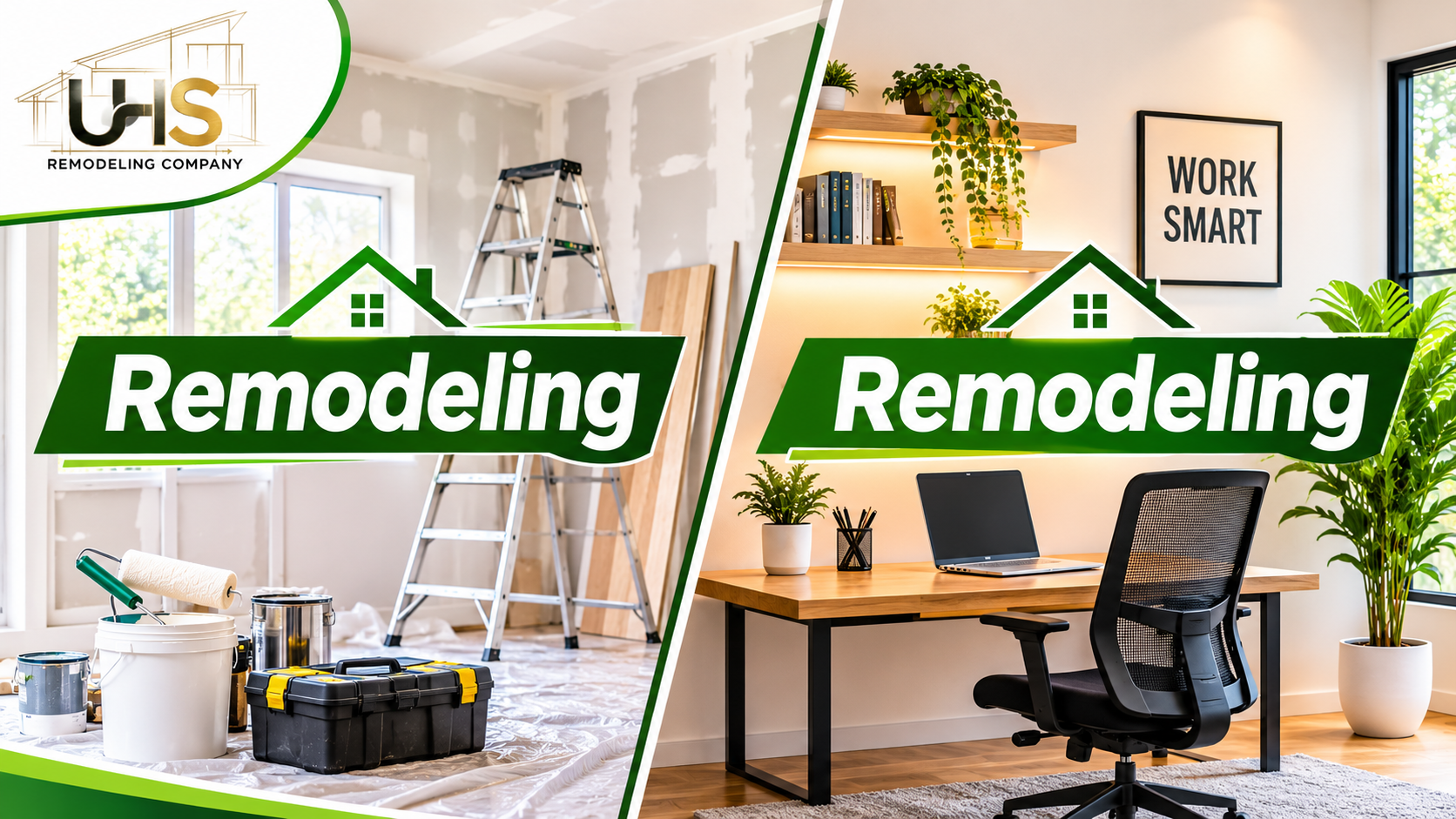
A home remodeling project is an exciting opportunity to improve your living space, make everyday activities easier, and create a home that better suits your lifestyle. Whether you are updating an older interior, improving several rooms, or planning a complete renovation, proper preparation can make the experience much smoother.
Many homeowners focus on choosing colours, materials, and designs but overlook the practical steps that need to happen before construction begins. Planning ahead can help protect your belongings, reduce unnecessary stress, and keep your daily routine more manageable.
If you are planning a renovation in Plano or the Dallas–Fort Worth area, here are some useful ways to prepare your home before the work begins.
1. Decide What You Want to Achieve
Before selecting materials or moving furniture, take time to understand what you want from your renovation.
Think about the problems you currently experience in your home. Perhaps your living room feels too small, storage is limited, or certain areas no longer suit your family’s routine. Identifying these issues helps you make decisions based on practical needs rather than temporary design trends.
Write down your priorities and separate them into two categories:
- Essential improvements that solve everyday problems.
- Optional upgrades that improve comfort or appearance.
This simple exercise helps you communicate your expectations clearly and avoid adding unnecessary work during construction.
2. Establish a Realistic Remodeling Budget
Your renovation budget should cover more than the materials you see in the finished space. Labour, demolition, electrical work, plumbing, permits, design selections, and finishing details can all influence the final cost.
Start by discussing the complete project scope with your remodeling contractor. Ask for a written estimate that explains what is included and identifies any exclusions or additional costs.
It is also sensible to keep some money available for unexpected conditions. Older homes, in particular, may reveal hidden issues once walls, flooring, or cabinets are removed.
A clear budget gives you a better understanding of which improvements are realistic and where you may need to adjust your plans.
3. Choose Your Remodeling Contractor Carefully
The contractor you choose will have a major influence on your renovation experience. Price matters, but it should not be the only factor in your decision.
Before signing an agreement, review previous projects, customer feedback, communication practices, insurance information, and the proposed project schedule.
Ask questions such as:
- Who will manage the project?
- How will progress updates be shared?
- Who handles permits and inspections?
- What happens if the project scope changes?
- Is the final estimate documented in writing?
A professional remodeling team should explain the process clearly and help you understand what to expect.
For homeowners planning improvements in Plano and the surrounding area, UHS Remodeling offers residential remodeling solutions focused on improving the comfort, functionality, and appearance of homes.
4. Clear the Work Area Before Construction
One of the easiest ways to prepare for renovation is to remove personal belongings from the rooms where construction will take place.
Pack away decorations, photographs, electronics, furniture, and other items that could be damaged by dust or accidental movement. Label boxes clearly so you can find essential belongings later.
For larger items that cannot be moved easily, discuss suitable protection with your contractor. Covering furniture and protecting nearby floors can help limit the impact of construction activity.
Do not wait until demolition day to start clearing the space. Preparing early gives everyone more room to work safely and efficiently.
5. Plan How You Will Use Your Home During Renovation
Depending on the project, some areas of your home may become temporarily unavailable.
For example, a kitchen renovation can make normal meal preparation difficult, while a bathroom renovation may require you to use another bathroom. A whole-home project can affect several everyday activities at once.
Before work begins, consider:
- Setting up a temporary cooking area.
- Keeping essential clothing and toiletries accessible.
- Arranging alternative bathroom access.
- Creating a quiet space away from construction.
- Planning temporary accommodation if major areas will be affected.
If you are planning changes to multiple rooms, consider professional home remodeling services to help organise the renovation around your property’s needs, layout, and long-term functionality.
6. Make Design and Material Decisions Early
Delays sometimes happen when important selections are left until construction is already underway.
Cabinet styles, flooring, countertops, tiles, lighting, fixtures, and paint colours should be discussed and finalised as early as possible.
Where practical, review samples together rather than choosing every finish separately. This helps create a consistent appearance throughout the renovated space.
Also ask about product availability and delivery schedules. Some custom materials may require additional lead time, so ordering them early can help prevent unnecessary interruptions.
7. Understand the Remodeling Schedule
A realistic remodeling schedule should explain the major stages of the project, from preparation and demolition to installation and final inspection.
Ask your contractor which activities happen first and whether certain tasks depend on others being completed.
Keep in mind that construction schedules can sometimes change because of inspections, material availability, or unexpected conditions behind existing walls.
Regular communication is important. Knowing what has been completed and what comes next helps you plan around the work without constantly guessing.
8. Prepare for the Final Walkthrough
The final walkthrough is your opportunity to review the completed work with the remodeling team.
Walk through each renovated area and check that the agreed work has been completed. Test doors, drawers, fixtures, lighting, and other installed features. Make a note of any adjustments that still need attention.
Ask for information about warranties, product care, and maintenance requirements. Keeping these details together will make it easier to look after your newly renovated home.
Final Thoughts
A successful home renovation starts well before construction begins. Setting clear goals, planning your budget, choosing the right contractor, and preparing your living space can make the entire process more organised.
Every home and project is different, so take time to discuss your expectations and practical concerns before work starts. With the right preparation and a clear plan, you can move towards a home that feels more comfortable, functional, and suited to your lifestyle.
Frequently Asked Questions
1. How early should I prepare my home before remodeling?
Ideally, start preparing several weeks before construction. This gives you time to finalise design choices, organise belongings, and discuss the project schedule with your contractor.
2. Should I move out during a home renovation?
Not always. Smaller projects may allow you to remain at home. However, extensive renovations affecting several rooms or essential facilities may make temporary accommodation more practical.
3. How can I protect my belongings during construction?
Remove valuable and fragile items from the work area. Store personal belongings safely and discuss dust barriers, floor protection, and furniture covering with your contractor.
4. Why is a written remodeling estimate important?
A written estimate explains the agreed scope, expected costs, and included work. It helps both the homeowner and contractor understand the project before construction begins.