



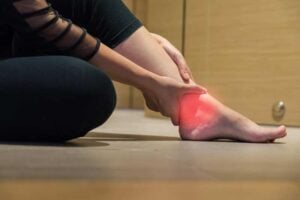



Orthopedic Port St. John treatment services are important for you to consult when pain restricts your movement or hinders your performance at work. There are a number of reasons why you should be able to identify orthopedic diseases and know when to consult an expert, and this manual will highlight all of these reasons.
What Orthopedic Care Covers
Orthopedics is a field which addresses the issues related to the musculoskeletal system. This includes bones, joints, ligaments, tendons, and muscles. Given the interconnected nature of the human body, any issue will manifest itself in another part of the body as well. For instance, if your foot hurts, it affects your gait and therefore your knees, hips, and back become affected as well.
Orthopedics specializes in the treatment of problems due to injuries from physical activity and accidents. Orthopedists also treat conditions associated with aging, such as arthritis. A majority of their patients find it shocking that many orthopedic consultations deal with the issues related to feet and ankles.
Common Conditions Treated
Many people living in Port St. John have to contend with common issues on a daily basis. The active and outdoor nature of Florida increases the vulnerability. People walk along the beach, run, play golf, fish, and spend many hours standing at work.
Common conditions include:
- Heel pain and plantar fasciitis
- Ankle sprains and chronic ankle instability
- Fractures and stress fractures
- Arthritis in the foot, ankle, or knee
- Bunions and hammertoes
- Achilles tendon pain or tears
- Tendonitis from overuse
- Flat feet and arch problems
- Sports injuries and ligament damage
Signs You Should See a Specialist
Some pains go away with rest. Other pains indicate that there is something seriously wrong. You should never put off consulting your doctor if you have one of the following symptoms:
- Pain that lasts more than a week or two
- Swelling that does not go down
- Trouble putting weight on a foot or leg
- Visible deformity or a joint that looks out of place
- Stiffness that gets worse in the morning
- Numbness, tingling, or burning sensations
- Repeated sprains or a feeling that your ankle gives way
- Pain that wakes you at night
Postponing treatment can cause an acute condition to become a chronic problem. The tear can become bigger, and the strain can cause secondary injury elsewhere.
Treatment Options Available
Orthopedic issues most often begin with conservative treatment. The first step that a specialist takes is performing a physical examination, and he or she may even request an X-ray, ultrasound, and MRI. Afterward, treatment is individualized based on your specific issue and lifestyle.
Non-surgical options often include:
- Rest, ice, compression, and elevation
- Custom orthotics and supportive footwear
- Bracing, taping, or walking boots
- Physical therapy and guided stretching
- Anti-inflammatory medication
- Injections to reduce pain and swelling
- Activity changes and weight management
Surgical procedures are suggested where the conservative treatment fails or where there is a high degree of injury. The contemporary minimally invasive surgical procedures involve making small cuts that result in less pain, infections, and faster healing.
Tips for Protecting Your Joints
Prevention is easier than cure. Some simple habits that can reduce the risk of being injured are:
- Wear shoes that fit well and support your arch
- Replace worn athletic shoes regularly
- Warm up and stretch before exercise
- Build strength in your calves, hips, and core
- Increase activity gradually instead of all at once
- Maintain a healthy weight to reduce joint load
- Avoid walking barefoot on hard surfaces for long periods
- Treat small injuries early
People with diabetes must also examine their feet on a regular basis because nerves are often damaged, which prevents pain signals from being received.
What to Expect at Your Visit
An ideal visit to an orthopedic specialist begins with listening. You will be asked questions regarding when the pain started, what improves or aggravates the pain, and how it influences your daily activities. The specialist will conduct a physical examination including your range of motion, muscle strength, balance, and gait. If imaging tests are needed, they are explained to you in easy terms, and you go out of the office with a well-thought-out action plan.
Remember to bring a list of medications you use, past injuries, and the shoes you wear the most.
Take the Next Step Toward Relief
Pain should never be considered something you simply live with. Whether you’ve just experienced an injury or been dealing with pain that’s been bothering you for months now, a proper diagnosis is the first step towards getting back to a comfortable life. If you’re ready to seek help, please feel free to call Merritt Island Foot And Ankle for an appointment.