






The quest for youthful, radiant skin without going under the knife has led to remarkable advancements in non-surgical facial rejuvenation. Among these innovative treatments, polydioxanone thread procedures have gained immense popularity for their ability to lift sagging tissue and stimulate natural collagen production. Many individuals exploring options like a Sugar Thread Lift in Abu Dhabi wonder whether this gentle, dissolvable suture technique works equally well across diverse skin tones, textures, and conditions. Understanding how these bio-absorbable threads interact with different dermatological profiles is essential for anyone seeking subtle, natural-looking facial contouring and skin tightening.
-
Core Purpose: Explores non-surgical facial rejuvenation using dissolvable polydioxanone threads to lift tissue and boost collagen.
-
Primary Question: Addresses whether the treatment is universally compatible across varying skin tones, textures, and sensitivities.
-
Key Benefit: Highlights natural-looking facial contouring without surgical intervention.
Understanding the Mechanism of a Sugar Thread Lift
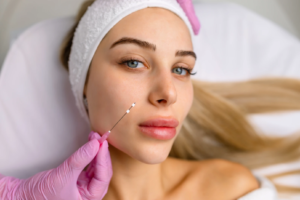
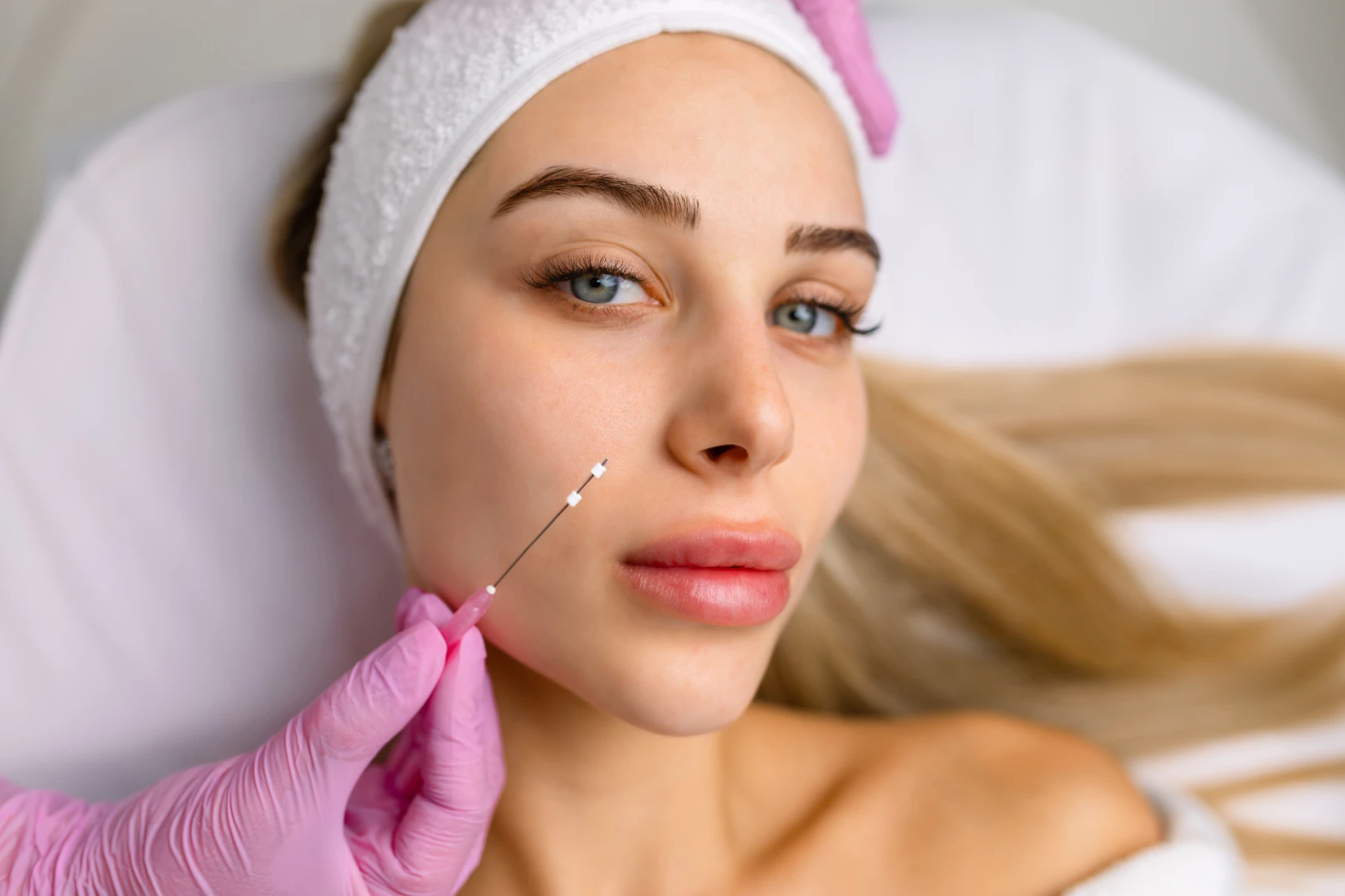
A sugar thread lift utilizes ultra-fine, bio-absorbable sutures made from polydioxanone, a biocompatible synthetic polymer often informally referred to as a “sugar thread” due to its smooth, gentle breakdown into simple, harmless compounds within the body. Unlike traditional surgical facelifts that require incisions and tissue removal, this minimally invasive approach involves placing tiny threads strategically beneath the dermal layer. Once positioned, the threads provide an immediate mechanical lift while simultaneously triggering a controlled, beneficial healing response that revitalizes skin architecture from within.
-
Material Composition: Uses polydioxanone, a safe, biocompatible polymer that naturally dissolves into simple, harmless byproducts.
-
Dual Action: Delivers both an instant physical lifting effect and long-term internal skin revitalization.
-
Minimally Invasive: Placed beneath the skin without requiring surgical incisions or tissue excision.
How Polydioxanone Threads Interact with Skin Layers
When inserted into the subdermal plane, the threads act as an internal scaffolding system that supports lax tissue against the downward pull of gravity. Over the ensuing months, the presence of these sutures stimulates fibroblasts—the specialized cells responsible for producing structural proteins. As the threads gradually dissolve, they leave behind a newly formed matrix of natural collagen, elastin, and hyaluronic acid, resulting in firmer, smoother, and more resilient skin long after the suture material has been completely absorbed.
-
Internal Scaffolding: Supports loose tissue in the subdermal layer to counteract sagging.
-
Cellular Activation: Stimulates fibroblasts to generate fresh collagen, elastin, and hyaluronic acid.
-
Lasting Structure: Leaves behind a strengthened natural protein network even after the threads fully dissolve.
Why It Is Called a Sugar Thread Lift
The nickname “sugar thread” stems from the gentle, predictable way the polymer degrades through natural hydrolysis, breaking down into water and carbon dioxide without leaving harsh residues behind. This smooth degradation profile makes the material exceptionally well-tolerated by human tissue. Because the threads are remarkably thin and flexible, they integrate seamlessly into the facial contours, offering a delicate lifting effect that preserves natural facial expressions rather than creating an overly tight or artificial appearance.
-
Natural Breakdown: Degrades smoothly via hydrolysis into water and carbon dioxide.
-
High Biocompatibility: Integrates gently into facial tissues without leaving unwanted residues.
-
Natural Expressions: Maintains authentic facial movement while providing subtle elevation.
Compatibility Across Different Skin Tones and Pigmentation Levels
One of the most significant advantages of thread lifting over certain energy-based aesthetic procedures is its independence from skin pigment. Lasers, intense pulsed light, and aggressive chemical peels often target melanin or generate surface heat, which can pose challenges for individuals with deeper complexions. Because a sugar thread lift works mechanically beneath the epidermis without thermal energy, it bypasses the melanin-producing cells entirely, making it an inclusive option across the entire Fitzpatrick skin type spectrum.
-
Melanin-Independent: Operates mechanically beneath the surface rather than targeting skin pigment.
-
No Thermal Energy: Avoids the surface heat associated with lasers and light-based devices.
-
Inclusive Spectrum: Safe and effective across all Fitzpatrick skin types, from very fair to deeply pigmented complexions.
Suitability for Fair and Light Skin Tones
Individuals with fair skin (Fitzpatrick types I and II) often experience early signs of photoaging, such as fine lines, thinning skin, and loss of elasticity. For these skin profiles, sugar threads provide vital structural reinforcement that thickens the dermis over time. Because fair skin can sometimes be translucent, skilled placement at the appropriate subdermal depth ensures the threads remain completely invisible beneath the surface while delivering noticeable firmness and improved skin texture.
-
Addressing Photoaging: Counteracts early collagen loss and fine lines common in lighter complexions.
-
Dermal Thickening: Builds internal density to strengthen naturally thinner skin.
-
Invisible Placement: Positioned in the subdermal plane so threads remain undetectable beneath translucent skin.
Suitability for Olive, Brown, and Deep Skin Tones
People with medium to deep complexions (Fitzpatrick types III through VI) frequently seek treatments that tighten skin without triggering pigmentary changes. Since sugar threads are introduced via ultra-fine entry points without damaging the epidermal barrier with heat or ablation, the likelihood of post-inflammatory hyperpigmentation is remarkably low. Deeper skin tones often possess naturally thicker dermal layers, which actually hold the threads exceptionally well and respond robustly with rich collagen synthesis.
-
Pigment Protection: Minimizes epidermal trauma, making it ideal for melanin-rich skin prone to discoloration.
-
Strong Structural Hold: Naturally thicker dermal layers in deeper skin tones anchor the threads effectively.
-
Robust Collagen Response: Encourages healthy tissue remodeling without altering natural skin tone.
Suitability Based on Skin Texture and Sebum Production
Beyond skin color, individual variations in oil production, pore size, and surface texture play a major role in how skin ages and responds to aesthetic procedures. Whether your skin leans toward excess sebum production or chronic dryness, polydioxanone threads work below the surface glands, meaning your topical moisture barrier and oil balance do not interfere with the structural lifting mechanism.
-
Sub-Surface Action: Works beneath oil glands and the topical barrier, ensuring broad compatibility.
-
Universal Aging Support: Addresses structural laxity regardless of whether skin is oily, dry, or combination.
-
Textural Enhancement: Secondary collagen growth helps refine overall skin smoothness over time.
Oily and Acne-Prone Skin Profiles
Oily skin tends to be thicker and more resilient, showing wrinkles later in life, though it is more susceptible to gravitational sagging and enlarged pores. Sugar threads are highly effective for oily skin types because the thicker dermal tissue provides a sturdy anchor for lifting heavier lower-face contours. Additionally, the boost in collagen production around the dermal matrix can subtly improve skin firmness and reduce the appearance of lax, stretched pores, provided the skin is free of active, inflamed breakouts at the time of placement.
-
Sturdy Anchoring: Thicker, oilier skin holds lifting threads securely against downward gravity.
-
Pore Refinement: Newly generated collagen tightens surrounding tissue, minimizing the look of stretched pores.
-
Clear Skin Requirement: Best performed when active acne breakouts are calm and controlled.
Dry, Dehydrated, and Mature Skin
Dry and mature skin types often lack sufficient lipid barriers and structural volume, leading to crepiness, hollowing, and pronounced folds. While a sugar thread lift does not directly infuse topical moisture, its stimulation of endogenous hyaluronic acid and collagen significantly improves internal hydration and skin elasticity. For individuals with very thin, mature skin, mono-threads—smooth, non-barbed sutures designed purely for skin thickening—are often utilized to rebuild dermal density before attempting heavier mechanical lifting.
-
Internal Hydration Boost: Stimulates natural hyaluronic acid alongside collagen to combat crepiness.
-
Dermal Rebuilding: Smooth mono-threads help thicken fragile, mature skin layers.
-
Elasticity Restoration: Improves bounce and resilience in skin affected by age-related volume loss.
Sensitive and Reactive Skin Types
Those with sensitive skin or conditions like mild redness often hesitate to try rejuvenating treatments out of fear of irritation. Because polydioxanone has been safely used in cardiovascular and general surgery for decades, it is hypoallergenic and rarely triggers allergic reactions. The mechanical nature of the procedure avoids harsh topical acids or abrasive exfoliation, making it gentle on reactive skin barriers while still achieving meaningful anti-aging results.
-
Hypoallergenic Material: Proven surgical-grade polymer minimizes sensitivity or allergic responses.
-
Barrier-Friendly: Avoids harsh chemical or thermal irritation on the outer skin surface.
-
Gentle Rejuvenation: Delivers lifting benefits without compromising delicate epidermal defenses.
Ideal Anatomical Candidates and Skin Laxity Levels
While skin type, tone, and texture rarely disqualify someone from receiving a sugar thread lift, the degree of skin laxity and tissue thickness plays a decisive role in candidacy. Thread lifts occupy the sweet spot between topical skincare or injectables and full surgical intervention, making them most effective for specific stages of facial aging.
-
Laxity Over Skin Type: The degree of tissue sagging is a more critical factor than skin color or oiliness.
-
Middle-Ground Solution: Bridges the gap between non-invasive skincare and surgical facelifts.
-
Targeted Contouring: Ideal for subtle to moderate structural repositioning.
Mild to Moderate Skin Sagging
The ideal candidate for a sugar thread lift exhibits mild to moderate skin laxity, typically noticing early jowling, softening of the jawline, slight drooping of the cheeks, or deepening nasolabial folds. At this stage, the underlying connective tissues still retain enough integrity to respond dynamically to the supportive scaffolding of the threads. Lifting these tissues back into their youthful positions restores crisp facial angles and refreshed contours naturally.
-
Early Aging Signs: Best suited for mild jowls, softening jawlines, and slight mid-face descent.
-
Responsive Tissues: Works optimally when skin still has enough elasticity to adapt to subtle elevation.
-
Natural Restoration: Re-establishes youthful facial geometry without drastic alteration.
When Skin May Be Too Thin or Too Heavy
Certain anatomical extremes require careful consideration. If skin is excessively thin with severe loss of subcutaneous fat, thicker barbed lifting threads might become palpable or visible beneath the surface, requiring a staged approach that first builds collagen with ultra-fine smooth threads. Conversely, if skin exhibits severe laxity or very heavy, dense tissue, dissolvable threads alone may not possess enough tensile strength to achieve a dramatic lift, making alternative structural approaches more appropriate.
-
Ultra-Thin Skin: Requires finer collagen-stimulating threads first to prevent visibility or palpability.
-
Severe Laxity: Heavy tissue sagging may exceed the mechanical holding capacity of dissolvable sutures.
-
Customized Strategy: Thread thickness and pattern must match individual tissue weight and density.
Key Factors That Influence Your Results
Achieving optimal, long-lasting outcomes from a sugar thread lift depends on both biological factors and how you care for your skin before and after the session. Because the procedure relies on your body’s natural regenerative capacity, supporting cellular health maximizes the collagen-building phase.
-
Biological Synergy: Results depend heavily on the body’s ability to synthesize new structural proteins.
-
Holistic Preparation: Healthy lifestyle habits and proper aftercare amplify treatment longevity.
-
Gradual Evolution: Final improvements unfold progressively over several months.
Collagen Production Capacity and Lifestyle
Your body’s ability to generate fresh collagen directly impacts how firm and lifted your skin becomes as the threads dissolve. Factors such as balanced nutrition rich in vitamin C and amino acids, adequate hydration, consistent sun protection, and avoiding smoking all support robust fibroblast activity. Younger individuals seeking preventative tightening often see rapid collagen remodeling, while older adults still achieve meaningful improvements through sustained cellular stimulation.
-
Nutritional Support: Adequate protein, hydration, and antioxidants fuel efficient collagen synthesis.
-
Sun Protection: Daily UV defense prevents the breakdown of newly formed elastin and collagen fibers.
-
Healthy Habits: Avoiding tobacco preserves microcirculation essential for tissue healing.
Proper Aftercare for Optimal Thread Integration
During the initial weeks following placement, the threads anchor into the surrounding soft tissue while new collagen fibers begin wrapping around them. Avoiding excessive facial movements, strenuous exercise, extreme heat, and heavy pressure on the face allows the sutures to settle undisturbed. Gentle skincare routines featuring hydrating serums and broad-spectrum sunscreen protect the surface while deep structural remodeling takes place underneath.
-
Undisturbed Settling: Limiting exaggerated facial expressions and intense workouts keeps threads securely anchored.
-
Gentle Skincare: Mild cleansers and hydrating products maintain barrier comfort during healing.
-
Long-Term Maintenance: Consistent sun care extends the visible firming effects well beyond thread absorption.
Frequently Asked Questions (FAQs)
1. Can people with dark skin tones get a sugar thread lift without worrying about dark spots?
Yes, individuals with dark or melanin-rich skin tones are excellent candidates for a sugar thread lift. Because the procedure uses ultra-fine sutures placed beneath the epidermis without heat, lasers, or surface abrasion, it does not trigger melanin overproduction, keeping the likelihood of dark spots or uneven pigmentation minimal.
2. Will sugar threads be visible under very thin or fair skin?
When placed at the proper depth within the subdermal layer, sugar threads remain invisible beneath fair or thin skin. For individuals with exceptionally delicate or translucent skin, ultra-fine smooth mono-threads are typically selected to gradually thicken the dermis and build natural collagen rather than using thicker lifting sutures.
3. Is a sugar thread lift effective for oily skin with large pores?
Yes, oily skin types respond very well to sugar threads because their naturally thicker dermal layer provides a strong anchor for lifting sagging contours. Additionally, the secondary wave of collagen production tightens the surrounding skin matrix, which often helps refine texture and minimize the appearance of enlarged pores.
4. How long does it take to see the full skin-tightening benefits of a sugar thread lift?
While a subtle mechanical lift is noticeable immediately after the threads are positioned, the full skin-tightening and textural benefits develop gradually over two to three months. This timeline reflects the body’s natural collagen and elastin synthesis as the bio-absorbable sutures safely dissolve into harmless compounds.