





A cup of premium tea can look perfectly brewed, yet its flavor may tell a different story. Why does one brewing method bring out rich, balanced flavors while another produces a weaker or more bitter taste? Does the shape of a tea bag really make a difference?
When choosing between pyramid tea bags and loose-leaf tea, both offer a quality tea experience, but their brewing methods differ. Small details in leaf expansion, flavor extraction, and preparation can influence what ends up in your cup. Understanding these differences makes the comparison worth exploring.
Key Takeaways
- Leaf expansion affects extraction: Pyramid sachets and spacious infusers allow tea leaves to unfold, influencing how they interact with water.
- Brewing technique shapes flavor: Leaf grade, water temperature, and steeping time influence the taste of both tea formats.
- Convenience meets customization: Pyramid sachets simplify preparation, while loose-leaf tea provides greater control over portions and brewing strength.
6 Key Differences Between Pyramid Tea Bags and Loose Leaf Tea
1. Space for Leaf Expansion
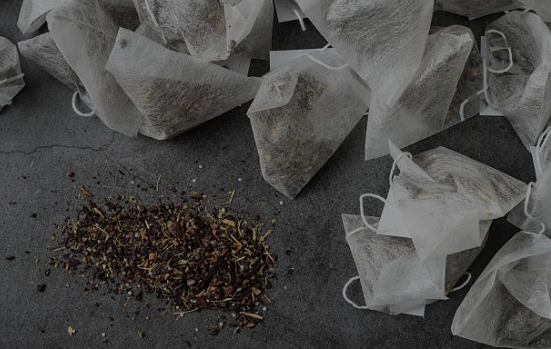
Tea leaves absorb water and gradually unfold during steeping, making sufficient brewing space important. The three-dimensional design of pyramid sachets gives leaves more room than conventional flat tea bags. Loose-leaf tea, when prepared in a spacious infuser or teapot, allows similar movement without an enclosing sachet.
However, pyramid tea bags do not automatically provide more space than loose-leaf brewing. An overfilled sachet can restrict expansion, while an undersized infuser creates similar limitations. When comparing the two formats, consider how comfortably the leaves can expand rather than assuming that one design always produces better results.
2. Leaf Size and Quality
Both tea formats can contain carefully selected whole leaves, broken leaves, or specialty blends. Larger leaves often release flavor compounds more gradually, while smaller pieces expose additional surface area to water and may produce a stronger infusion sooner.
For example, black loose tea comes in several leaf grades, each with its own extraction characteristics. Pyramid sachets can contain comparable grades, so packaging alone does not establish quality. Instead, examine the leaves for consistent sizing, recognizable shapes, and a pleasant aroma. The important distinction lies in the tea itself, not whether it arrives inside a sachet.
3. Flavor Extraction Consistency
Premeasured portions help maintain a consistent tea-to-water ratio between servings. This makes pyramid tea bags useful when you want a familiar taste without weighing leaves each morning. However, water temperature and steeping duration still influence how much flavor enters the cup.
Loose-leaf brewing offers consistent results when you measure portions carefully, though casual scooping can introduce variation. When comparing the two formats, match tea weights, water temperatures, and steeping times. You may find that differences previously attributed to packaging actually stem from preparation habits rather than from the quality of either tea format.
4. Control Over Brewing Strength
Adjusting the amount of loose tea allows you to customize each serving without changing the recommended steeping duration. A smaller portion creates a lighter infusion, while additional leaves can produce a stronger cup. This flexibility becomes particularly useful when preparing different serving sizes.
With pyramid tea bags, the tea quantity remains fixed, so adjustments generally involve changing the water volume. Extending steeping time may increase bitterness, especially with delicate green teas. For either format, follow the variety’s recommended temperature and timing first. Then adjust the tea-to-water ratio to achieve your preferred strength without compromising its natural flavor.
5. Convenience and Cleanup
Busy mornings call for brewing methods that fit comfortably into your schedule. Proportioned sachets eliminate the need to measure, require no separate strainer, and make it straightforward to remove wet leaves. Their compact packaging also makes them practical for preparing tea at work or while traveling.
While loose tea requires an infuser or teapot and additional cleanup, reusable brewing baskets simplify the process. For those who enjoy exploring different blends, both formats offer convenient choices depending on brewing habits. Consider how often you prepare tea away from home and whether you prefer washing an infuser or simply removing a sachet after steeping.
6. Repeated Steeping Potential
Certain whole-leaf teas release different flavor notes across successive infusions. The first steep may emphasize brighter aromas, while later rounds reveal softer, subtler characteristics. Loose-leaf brewing makes this exploration convenient because the leaves remain accessible inside a teapot or infuser.
Pyramid sachets can also support multiple infusions when the tea variety and leaf quality allow. However, their enclosed design makes inspecting or adjusting the leaves less practical. The resulting flavor changes depend on the leaves, water temperature, and steeping duration. If you enjoy discovering how one tea evolves across several cups, both formats offer opportunities worth exploring.
The Better Brew Begins With Your Preferences
Choosing between pyramid tea bags and loose-leaf tea comes down to how you prefer to prepare and enjoy your favorite drink. Sachets combine portioning convenience with space for larger leaves, while loose tea offers flexibility in measurements, strength, and repeated infusions. So, the quality depends on ingredients and careful preparation.
For your next cup, compare similar tea varieties using consistent brewing conditions. Pay attention to aroma, strength, and the overall drinking experience. The most satisfying choice is the one that delivers enjoyable results without complicating your routine.
FAQs
Are pyramid tea sachets suitable for cold brewing?
Yes. They can be steeped in refrigerated water, although extraction takes longer than with hot brewing and varies by tea variety.
Do reusable tea infusers affect flavor?
A clean stainless-steel infuser generally has little impact on flavor, provided it offers sufficient space and does not retain residue.
How should tea be stored after opening?
Keep tea in an airtight container away from moisture, sunlight, heat, and strong odors to help preserve its aroma and freshness.