






You can spend time choosing the perfect shirt and trousers, only to realize your shoes don’t quite match the outfit. Footwear often seems like the final detail, but it can influence whether an entire look feels casual, refined, or mismatched. With so many styles available, choosing the right men’s footwear involves more than selecting your favorite pair. The occasion, trouser cut, colors, and overall dress code all play a part.
Should you reach for sneakers, loafers, or classic dress shoes? And how can one pair work across different outfits? Let’s examine what makes certain shoe styles more versatile than others.
Key Takeaways
- Match shoe styles to the outfit’s formality.
- Choose sneakers for relaxed everyday clothing.
- Pair loafers and dress shoes with classic menswear.
- Coordinate footwear colors with clothing tones.
- Consider fit, proportions, and seasonal conditions.
How to Choose Men’s Footwear for Casual and Classic Men’s Wear
- Match Shoes to Outfit Formality
The first step in choosing men’s footwear is understanding how formal the overall outfit should appear. Footwear can reinforce a clothing combination or create an unnecessary contrast.
Casual outfits generally work with sneakers, canvas shoes, and relaxed boots. Smart-casual combinations allow more flexibility, including loafers, suede shoes, and minimalist leather sneakers.
Classic formal clothing usually calls for more structured footwear.
Consider these pairings:
- Jeans and T-shirts: Minimalist sneakers or casual boots
- Chinos and Polo Shirts: Loafers or clean leather sneakers
- Blazers and Tailored Pants: Loafers or Derby shoes
- Formal Suits: Oxford shoes or polished Derbies
Choose shoes for the occasion rather than relying on a single style for every outfit.
- Choose Sneakers for Casual Clothing
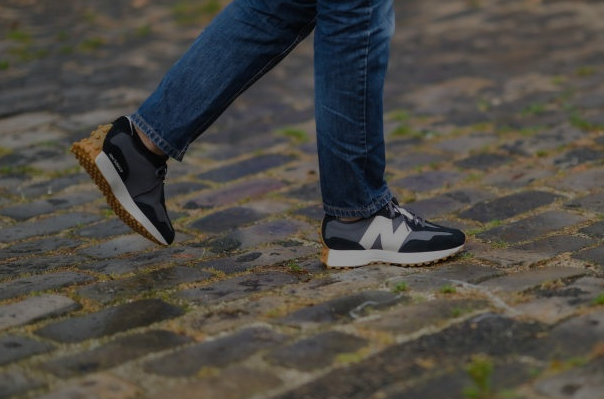
Sneakers are among the most versatile men’s footwear options for casual clothing, but different designs create different impressions.
Minimalist leather sneakers offer a clean appearance that complements jeans, chinos, and relaxed pants. Canvas sneakers provide a lighter alternative for informal occasions.
Chunkier, athletic-inspired sneakers can pair well with wide-leg pants and contemporary streetwear, though they may overpower slimmer silhouettes.
For everyday styling, consider:
- White sneakers with dark jeans and a plain t-shirt
- Black canvas shoes with gray chinos
- Neutral leather sneakers with lightweight spring apparel
Keep the overall proportions balanced. Wide-leg pants generally accommodate substantial shoe designs, while narrow or straight-cut pants often complement streamlined footwear. Clean, well-maintained sneakers also help casual outfits appear more intentional.
- Pair Loafers with Smart-Casual Outfits
Loafers provide a useful middle ground between casual sneakers and traditional dress shoes. Their slip-on construction creates a relaxed appearance while maintaining a polished silhouette.
Leather loafers complement tailored pants, chinos, and unstructured blazers. Suede versions introduce a softer texture that works particularly well with relaxed smart-casual clothing. For example, brown suede loafers can accompany beige chinos, a white Oxford shirt, and a navy blazer.
Penny loafers generally create a classic appearance, while tassel loafers introduce a slightly more decorative finish. When styling men’s cardigans with tailored pants, loafers can help maintain a refined yet comfortable look.
Choose a pants length that allows the shoes to remain visible without excessive fabric gathering around the ankles.
- Select Dress Shoes for Classic Menswear
Classic menswear benefits from footwear that complements structured clothing and traditional tailoring.
Oxford shoes feature closed lacing and generally create a more formal appearance. Derby shoes use open lacing, providing a slightly more versatile option for business and smart-casual settings.
Monk-strap shoes offer another alternative through their buckle fastening.
For a coordinated appearance:
- Black Oxfords: Pair with charcoal, black, or formal navy suits.
- Brown Derbies: Complement navy suits and tailored separates.
- Dark Brown Monk Straps: Work with many business-casual combinations.
Leather finish also affects formality. Highly polished leather generally appears dressier than suede or textured finishes.
When choosing men’s footwear for classic outfits, prioritize appropriate structure and simplicity over excessive decoration.
Conclusion
Choosing the right men’s footwear becomes easier when you consider outfit formality, shoe design, color, and comfort together. Sneakers complement relaxed clothing, while loafers create a natural transition between casual and polished looks. Oxford and Derby shoes remain dependable options for classic menswear, particularly when paired with appropriately tailored clothing. Neutral colors simplify coordination, and proper fit supports comfortable everyday wear.
Rather than collecting numerous similar styles, focus on shoes that suit your regular activities and clothing preferences. A practical footwear collection should make getting dressed easier while helping each outfit feel complete, balanced, and appropriate for the occasion.
FAQs
How many pairs of shoes should a man own?
Four or five versatile pairs can cover common occasions, although individual needs depend on lifestyle, work requirements, and climate.
Can men wear sneakers with suits?
Yes. Minimalist leather sneakers can complement certain relaxed suits, particularly at informal events without strict dress codes.
Should leather shoes match the color of a belt?
For formal outfits, matching similar leather tones creates a coordinated appearance, although exact color matching is not always necessary.
What accessories should men pair with casual and classic shoes?
Choose men’s accessories such as leather belts, watches, and bags that complement your footwear’s color and the outfit’s formality.
What socks work best with casual men’s shoes?
Neutral casual socks complement sneakers and relaxed outfits, while longer dress socks generally work better with loafers and formal shoes.