




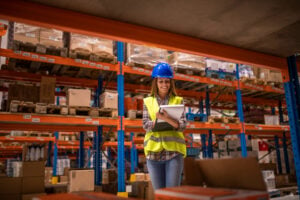


Building codes and structural calculations need to be followed to the letter when installing a structural storage frame. When it comes to a racking system in the Philippines, warehouse operators must evaluate engineering specifications before placing heavy loads on it. And with the aid of certified structural engineers, facility owners can deploy high-capacity storage setups without risking sudden collapse during earth tremors.
What Is Seismic Design for Racking Systems?
Seismic design for storage frames refers to engineering storage structures to endure lateral forces caused by earthquakes. Engineers calculate total frame strength using soil conditions, rack height, and maximum payload weights. Designing industrial storage frames correctly helps logistics facilities maintain structural integrity during ground movement.
Structural Load Calculations
Engineers determine frame resistance using static weight and dynamic sway forces. Base plates transmit lateral forces down into concrete slab foundations during shaking. Proper calculations prevent frame twisting under heavy pallet loads.
Slab Anchoring Specifications
Anchoring systems secure vertical columns to concrete floors using specialized expansion bolts or chemical anchors. Soil quality underneath facility floors dictates anchor depth and bolt diameter requirements. Deep anchor embedment prevents base plates from pulling away from concrete slabs.
Frame Bracing and Sway Resistance
Diagonal bracing bars link vertical upright columns to absorb sideways movement during ground tremors. Upright frames distribute weight across interconnected steel beams to limit dynamic deflection. Proper bracing prevents frames from leaning during severe shaking.
Why Seismic Compliance Matters for Storage Facilities
Earthquakes generate multi-directional forces that test the structural limits of heavy storage frames. Uncertified storage frames collapse easily under heavy loads, causing complete inventory destruction and severe workplace injuries. Facilities that follow National Structural Code specifications maintain operational stability during sudden seismic events.
Protecting Warehouse Personnel
Unsecured storage rows create extreme safety hazards for forklift drivers and floor workers during earthquakes. Heavy falling pallets risk causing severe physical injuries during operational hours. Secure rack framing retains heavy pallets safely on high beam levels.
Safeguarding Inventory Value
Structural collapse destroys valuable stock, causing heavy financial losses for industrial businesses. Replacing damaged merchandise and ruined storage frames consumes substantial capital resources. High-capacity structural designs keep stored goods secure during unpredictable ground movements.
Maintaining Regulatory Approvals
Government agencies inspect commercial warehouses to confirm structural safety compliance before issuing permits. Operating uncertified frames risks immediate facility closure and expensive regulatory penalties. Certified engineering documentation verifies structural safety during official building inspections.
What Seismic Engineering Questions Should You Ask Suppliers?
Evaluating potential suppliers requires checking structural calculations, steel grades, and certified test reports. Facility buyers must request clear documentation regarding seismic load ratings before signing purchase agreements. Asking specific engineering questions prevents installation of substandard steel framing.
What Steel Grade and Thickness Are Used?
Ask suppliers for exact mill test certificates detailing steel tensile strength and gauge thickness. High-grade structural steel absorbs dynamic stress without cracking or bending during shaking. Verifying material specifications prevents suppliers from delivering thin, lower-grade framing materials.
How Are Base Plates and Floor Anchors Specified?
Inquire about specific anchor bolt sizes, embedment depths, and slab thickness requirements. Suppliers must verify that existing concrete floors meet minimum strength ratings for anchor installation. Correctly sized base plates distribute downward weight evenly across concrete foundations.
Are Structural Calculations Certified by an Engineer?
Request structural engineering calculations stamped through a licensed civil engineer registered in the region. Engineering approvals verify that structural calculations conform to building code requirements. Stamped documentation provides proof of compliance during government inspections.
How to Prepare Your Facility for Seismic Frame Installation
Preparing facility floors for heavy frame installation requires concrete testing and space planning. Facility managers must clear loading zones and inspect foundation slabs before installation teams arrive. Completing site checks early prevents installation delays and anchoring failures.
Inspecting Concrete Slab Quality
Test concrete slab thickness and compressive strength using non-destructive testing tools before anchor installation. Concrete floors must sustain heavy anchor tension forces without cracking or spalling. Repairing floor defects early creates a solid foundation for vertical columns.
Verifying Aisle Clearances and Overhead Spaces
Measure distances between rack rows to maintain safe clearance for forklift turning radiuses. Clear overhead areas to keep top storage levels away from light fixtures and fire sprinkler pipes. Correct spacing prevents equipment strikes that weaken upright columns.
Establishing Maintenance Inspection Schedules
Create routine inspection logs to check for loose anchor bolts, bent uprights, and damaged beam safety clips. Forklift collisions weaken structural steel over time, reducing overall seismic resistance. Replacing damaged components promptly maintains full frame load capacity.
Key Takeaway
Prior to the purchase of heavy industrial equipment, warehouse operations can be safe during devastating earthquakes by conducting structural parameter evaluations. Demanding certified engineering calculations and checking floor slab conditions for a racking system in the Philippines keeps inventory, staff, and facilities secure. Through meticulous engineering preparation, you can get a resilient storage environment for stable operational success.