


Finding the right ring size is important when buying jewelry. Whether you are shopping for an engagement ring, a wedding band, or a stylish everyday accessory, a comfortable fit makes all the difference. A ring that is too tight can feel uncomfortable, while one that is too loose may slip off your finger.
A ring size chart makes it easier to compare measurements and choose a suitable size before making a purchase. However, ring sizes can vary between countries, and factors such as finger shape, temperature, and ring width can affect the fit. Understanding these details can help you make a better choice and enjoy your jewelry for years to come.
Why Choosing the Correct Ring Size Matters
A well-fitting ring should feel secure without putting pressure on your finger. Ideally, it should slide over your knuckle with slight resistance and rest comfortably at the base of your finger. You should be able to remove it without pain or excessive effort.
Choosing the wrong size can create several problems. A tight ring may become difficult to remove when your fingers swell, while a loose ring can turn around frequently or fall off during everyday activities. Getting the measurement right is especially important when purchasing expensive jewelry or ordering a ring online.
Comfort and Everyday Wear
Comfort should always be a priority when selecting a ring. If you plan to wear it every day, consider how it feels while typing, working, exercising, or performing other routine activities.
Your fingers naturally change size throughout the day. Heat can make them swell, while cold weather may cause them to shrink slightly. For this reason, measuring your finger under normal conditions is often more useful than checking it immediately after exposure to extreme temperatures.
Protecting Your Jewelry Investment
The correct size also helps protect your jewelry. A ring that constantly slips can be lost, while one that is too tight may require professional resizing.
Some rings, particularly those with detailed settings or gemstones around the entire band, can be more difficult or expensive to resize. Taking accurate measurements before buying can help reduce these concerns.
How to Use a Ring Size Chart
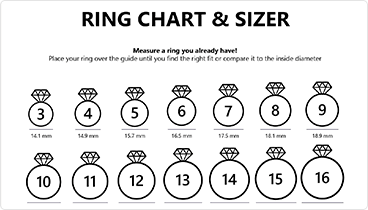
A ring size chart connects finger measurements with standard ring sizes. Depending on the country, sizes may be represented by numbers, letters, or measurements in millimeters. Before using a chart, check which sizing system the seller follows.
For example, US ring sizes generally use numbers, while UK sizes use letters. European sizing commonly relates to the circumference of the finger in millimeters, although conventions can vary. A reliable chart helps you compare these systems without relying on guesswork.
Measure Your Finger Circumference
Finger circumference is the distance around the base of your finger. You can measure it using a flexible measuring tape or a narrow strip of paper.
Wrap the measuring tool around the finger where you intend to wear the ring. Make sure it fits comfortably and is not pulled too tightly. Mark where the ends meet, then measure the length in millimeters.
Compare your measurement with the seller’s sizing chart. If your result falls between two sizes, review the jeweler’s recommendations before making a final decision.
Measure an Existing Ring
If you already own a ring that fits the same finger comfortably, measuring its inside diameter can be another useful method. Place the ring on a flat surface and measure straight across the inner circle, from one inside edge to the opposite inside edge.
Avoid measuring the outside of the ring because the band itself adds extra width. Compare the inside diameter with a trusted sizing chart to find the closest match.
Remember that this method works best when the existing ring fits the exact finger you plan to measure. Ring sizes can differ between your left and right hands, even when the fingers appear similar.
Understanding International Ring Sizes
Ring sizing systems are not identical around the world. A size that fits in one country may have a different label in another, so checking the measurement in millimeters can be helpful when shopping internationally.
US, UK, and European Sizes
US and Canadian sizing commonly uses numerical sizes, whereas UK sizing generally uses letters and half sizes. European sizing often uses numbers based on circumference, with specific standards and conventions depending on the retailer.
When buying from an international jewelry store, do not assume that two rings with similar size labels will fit identically. Always check the store’s conversion guide and confirm whether the listed measurement refers to circumference or diameter.
Why Measurements Can Differ
Small differences between sizing systems can affect the final fit. Conversion charts may also round measurements differently, which means a converted size should be treated as a starting point rather than a guarantee.
If you are purchasing an engagement ring or wedding band online, contact the seller if your measurement falls between sizes. A professional jeweler can help you select the closest option based on the ring’s design and width.
Common Factors That Affect Ring Size
Even an accurate measurement does not always guarantee a perfect fit. Several factors can change how a ring feels on your finger, so consider them before placing your order.
Ring Band Width
The width of a ring band can influence comfort. Wide bands cover more of your finger and may feel tighter than narrow bands of the same nominal size.
If you are choosing a wide wedding band, ask the jeweler whether a different size is recommended for that particular design. The ideal adjustment depends on the band, your finger shape, and the sizing guidance provided by the manufacturer.
Finger Shape and Knuckle Size
Some people have fingers with larger knuckles and narrower bases. In these cases, the ring must pass over the knuckle while remaining secure when it reaches the base of the finger.
A ring should not be so tight that removing it becomes painful. If the difference between your knuckle and finger base is significant, a jeweler may suggest a design or fitting solution that improves comfort.
Temperature and Daily Changes
Finger size can fluctuate because of temperature, activity, hydration, and other everyday conditions. Your hands may be slightly larger in warm weather or after physical activity.
For a more reliable result, measure your finger when your hands are at a comfortable, normal temperature. Taking measurements more than once can also help you identify a consistent size.
Tips for Buying Rings Online
Shopping online provides access to a wide selection of styles, metals, and gemstones. However, you cannot try on the ring before purchasing, making accurate sizing especially important.
Start by checking the retailer’s ring size chart and measuring your finger carefully. Read the product details to determine whether the band is narrow or wide, and look for information about resizing, exchanges, and returns.
If possible, use a professional ring sizer from a jeweler. These tools are designed for ring measurements and can provide a more reliable result than estimating your size from a photograph or guessing based on another person’s ring.
You should also check whether the retailer offers half sizes. A small difference can improve comfort, particularly when the ring will be worn every day.
When Should You Get Your Ring Resized?
Sometimes, a ring that once fitted well becomes too loose or tight. Weight changes, aging, and natural changes in your hands can affect the way jewelry fits over time.
If your ring regularly slips over your knuckle or causes discomfort, consult a professional jeweler. They can assess the fit and explain whether resizing is suitable for the material and design.
Not every ring can be resized easily. Eternity bands, tension-set rings, and certain intricate designs may require special attention. Always ask a qualified jeweler to inspect the piece before making adjustments.
Final Thoughts
Finding the right ring size does not have to be complicated. With careful measurements, a reliable sizing guide, and an understanding of how different factors affect fit, you can shop for jewelry with greater confidence.
A ring size chart is a helpful starting point, whether you are buying a fashion ring, an engagement ring, or a wedding band. Measure your finger correctly, confirm the sizing system used by the retailer, and consider the ring’s width and design before ordering.
When you are unsure about your measurement, seek advice from a professional jeweler. A little preparation can help you find a ring that feels comfortable, looks beautiful, and suits your everyday needs.