





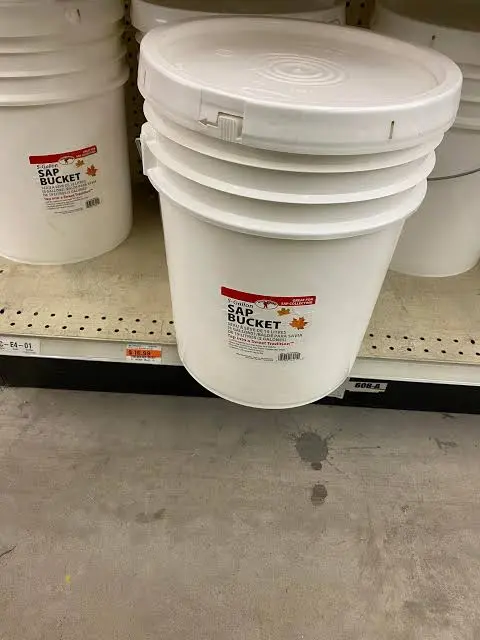
Successful maple syrup production starts long before sap reaches the evaporator. Collecting clean sap efficiently requires dependable equipment, and buckets remain a practical choice for hobbyists, small maple operations, and traditional producers. When comparing sap buckets for sale, it helps to understand how bucket materials, capacity, design, and durability affect the collection process.
The right equipment can make seasonal work more manageable while helping protect sap quality. A bucket that is difficult to clean, poorly suited to outdoor conditions, or too small for daily collection can create unnecessary work. Choosing carefully from the beginning helps producers build a collection setup that fits their trees, available time, and production goals.
Understanding Maple Sap Collection Buckets
Maple sap buckets are containers placed beneath tapped maple trees to collect sap as it flows during the sugaring season. They are commonly used with traditional spouts and may include lids or covers that help limit exposure to rain, snow, insects, and other debris.
Although bucket collection is a relatively straightforward method, equipment quality matters. Sap is a food product, so containers should be made from food-safe materials and designed for repeated cleaning. Their shape and capacity should also suit the location and frequency of collection.
Common bucket options include:
- Metal buckets: Traditional metal containers are valued for their sturdy construction and familiar appearance. Their condition should be checked regularly for corrosion, damaged seams, or deteriorating finishes.
- Plastic buckets: Food-grade plastic options are often lightweight and convenient to handle. Buyers should confirm that the material is intended for food contact and can withstand outdoor seasonal conditions.
- Covered buckets: Lids or covers help reduce contamination from leaves, insects, precipitation, and other environmental debris.
- Different capacity options: Smaller containers may suit a few backyard trees, while larger buckets can reduce how often producers need to empty them.
The best choice depends on the number of tapped trees, expected sap flow, collection schedule, and storage arrangements.
How to Choose the Right Sap Buckets
Before purchasing collection equipment, consider how it will perform throughout an entire sugaring season. These practical steps can help narrow the options.
1. Select Food-Safe Materials
Food safety should be a priority. Sap comes into direct contact with the bucket, so the container should be suitable for food collection and should not transfer unwanted substances into the liquid.
For plastic buckets, look for clear manufacturer information confirming food-contact suitability. For metal containers, inspect the interior finish and confirm that the material is appropriate for collecting food products.
Avoid using containers that previously held chemicals, fuels, cleaning products, or other non-food substances. A container’s appearance alone does not establish that it is safe for sap collection.
2. Choose a Practical Bucket Capacity
Capacity influences how often buckets need to be emptied. A small bucket may fill quickly during favorable weather, while a larger one can provide more collection time between visits.
However, larger containers are not automatically better. A full bucket can become heavy and more difficult to carry through snow or uneven ground.
For a small backyard operation, manageable containers may be more convenient than maximizing capacity. Producers managing many trees should consider how bucket size affects walking distance, handling effort, and the time required to transport collected sap.
3. Look for Secure Covers
Open containers can collect leaves, twigs, insects, rainwater, and snow. A suitable cover helps reduce exposure and keeps the collection area cleaner.
Check that the lid fits properly and can remain secure under ordinary outdoor conditions. It should also be easy to remove during collection and cleaning.
A well-designed cover is especially useful when trees are located near wooded areas, where falling debris may be common.
4. Consider Durability and Outdoor Performance
Maple buckets spend much of the season outdoors. They may experience freezing temperatures, moisture, sunlight, and repeated handling.
Review construction quality, handle strength, seams, and resistance to seasonal wear. For metal buckets, check for rust or damage. For plastic options, look for material specifications that address outdoor use and temperature conditions.
It is also sensible to consider replacement parts or compatible accessories. Standardized equipment can make it easier to maintain a collection setup over time.
5. Check Compatibility With Collection Equipment
Buckets need to work with the tapping and collection system being used. Before ordering, confirm that the container is compatible with the intended spout arrangement and can hang securely beneath the tree tap.
Do not assume that every bucket and spout combination will fit together. Reviewing product dimensions and manufacturer guidance can prevent purchasing equipment that requires inconvenient adjustments.
Common Mistakes When Buying Sap Buckets
Even a simple collection system can become inefficient when equipment is poorly matched to the operation.
Choosing Based on Price Alone
The least expensive option may not provide the durability or food-safety information needed for repeated use. Compare material quality, construction, lid design, and expected service life rather than focusing only on the purchase price.
Ignoring Cleaning Requirements
Sap containers need regular cleaning. Buckets with difficult-to-reach corners, damaged interiors, or complicated lids can make sanitation more time-consuming.
Choose designs that can be cleaned thoroughly and dried between uses. Follow the manufacturer’s cleaning recommendations and avoid harsh products that may leave residues.
Buying Too Many or Too Few
Purchasing more buckets than necessary can increase storage costs and leave equipment unused. Buying too few may require frequent collection trips or limit the number of trees that can be managed efficiently.
Estimate the number of trees, expected collection frequency, and available storage space before deciding how many containers to purchase.
Overlooking Storage After the Season
Buckets need proper storage when maple season ends. Leaving containers outdoors may expose them to unnecessary weather damage and contamination.
Clean and dry equipment thoroughly before storing it in a protected location. Inspect containers before the next season and replace any that show signs of damage.
Practical Tips for Better Sap Collection
Good equipment works best when supported by consistent collection habits.
Establish a regular inspection routine. Check buckets for secure placement, damage, debris, and unusual contamination. Empty them according to sap flow and weather conditions rather than relying on a fixed schedule.
Keep collection containers clean. Wash equipment according to manufacturer guidance before the season and between uses as appropriate. Allow containers to dry fully before storage.
Protect sap quality after collection. Fresh sap is perishable. Transfer it to clean, suitable storage containers and keep it cold until processing. Avoid leaving collected sap in warm conditions for extended periods.
Plan for changing weather. Sap flow depends on seasonal temperature patterns, and collection needs can change quickly. Check containers more frequently during periods of active flow.
Organize equipment by location. In a larger operation, grouping buckets by collection area can make inspections and transportation more efficient. Keep a simple record of damaged or replaced containers so equipment needs are easier to anticipate.
Conclusion
Choosing quality maple sap buckets involves more than selecting a container that fits beneath a tree. Food-safe materials, practical capacity, secure covers, durable construction, and compatibility with collection equipment all influence performance. By considering these factors and maintaining a consistent cleaning and inspection routine, maple producers can create a collection system that is efficient, manageable, and ready for each sugaring season.