






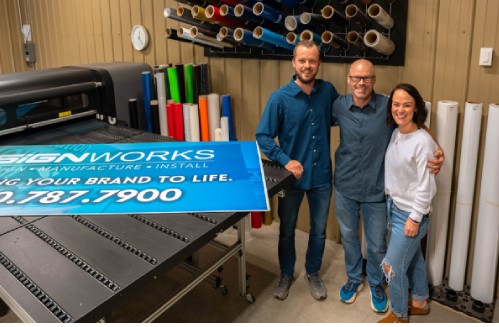
For businesses that depend on service vehicles, delivery vans, or commercial trucks, the appearance of each vehicle can influence how customers recognize the company. A clean, well-branded vehicle communicates professionalism before an employee even reaches the customer’s property. It can also help distinguish company vehicles from others on the road and make the business easier to remember. Sign Works provides vehicle graphics and custom decal services that help businesses present their identity through practical, visually consistent designs.
Professional Vehicle Graphics Installation brings a company’s branding onto the surfaces customers see every day. However, achieving a polished result requires more than printing a logo and applying it to a vehicle. The process involves selecting compatible materials, preparing the surface, measuring accurately, and positioning each graphic to suit the vehicle’s shape. When these details are handled correctly, businesses can create a recognizable fleet appearance that supports their wider marketing efforts while maintaining the practical requirements of everyday vehicle use.
Understanding the Vehicle Before Designing Graphics
Every vehicle has its own shape, dimensions, and surface characteristics. A compact car has limited space for branding, while a large commercial van may provide broad panels for displaying a logo and service information. Trucks can have body seams, storage compartments, and equipment that influence graphic placement. Understanding these differences before creating a design helps ensure that the finished graphics look balanced rather than stretched, crowded, or poorly aligned.
Successful Vehicle Graphics Installation starts with reviewing the actual vehicle or obtaining accurate measurements and photographs. Designers need to account for handles, windows, panel edges, trim, and other features that may interrupt the artwork. They should also consider how the vehicle looks from the front, rear, and sides. Sign Works offers custom vehicle graphics and decals for business branding, allowing companies to explore designs that suit their vehicles. This preparation makes it easier to develop graphics that fit naturally and communicate the intended message clearly.
Preparing Vehicle Surfaces for a Clean Finish
Surface preparation is one of the most important steps in applying vehicle graphics. Dust, grease, wax, moisture, and other contaminants can interfere with adhesion and may contribute to lifting edges or premature failure. Even when a vehicle appears clean, residue from previous cleaning products can remain on the paintwork. Inspecting the surface before installation helps identify issues that need attention before the graphics are applied.
During Vehicle Graphics Installation, the vehicle surface should be cleaned and dried using methods compatible with the paintwork and selected materials. Existing scratches, peeling paint, damaged finishes, and previously applied graphics may require additional consideration. Installers should follow the vinyl manufacturer’s preparation guidelines and ensure that the working environment is appropriate for the material. Careful preparation creates a more reliable foundation for the graphics and reduces the likelihood of avoidable application problems. It also helps produce a smoother appearance around panel edges and other detailed areas.
Applying Graphics Around Curves and Complex Panels
Commercial vehicles rarely have perfectly flat surfaces everywhere. Doors, bumpers, wheel arches, recessed panels, and curved body sections can make graphic application more challenging. If vinyl is stretched incorrectly or positioned without considering the vehicle’s contours, the design may become distorted. Difficult areas may also develop wrinkles, trapped air, or lifting edges when the application technique is unsuitable.
Experienced Vehicle Graphics Installation requires attention to how the material responds to different surfaces. Installers must position the graphic accurately, manage the vinyl around curves, and follow product-specific guidance for application and post-installation care. Large graphics may require careful alignment across multiple panels so that the design appears continuous when the doors are closed. Sign Works helps businesses explore vehicle graphics that complement their branding and vehicle requirements. A precise approach to these details contributes to a cleaner finish and a more professional appearance.
Selecting Graphics for Different Business Requirements
Not every business needs a complete vehicle wrap. Some companies benefit from simple door lettering, while others prefer partial wraps, printed panels, or custom decals. A contractor may need to display a company name, logo, and service category, whereas a delivery business might prioritize recognizable fleet branding. Selecting the right coverage helps balance the visual impact of the graphics with the company’s budget and practical needs.
The best Vehicle Graphics Installation option depends on the type of vehicle, how frequently it is used, and the message the company wants to communicate. Partial graphics can highlight important branding elements without covering every panel, while full wraps offer more space for elaborate designs. Simple lettering may be suitable when a business needs a straightforward and professional presentation. Before making a decision, owners should compare material options, expected durability, and maintenance requirements. Choosing a design based on actual business objectives helps prevent unnecessary spending and keeps the final result focused.
Making Branding Readable in Real-World Conditions
Vehicle graphics are often viewed briefly, sometimes from another moving vehicle or across a busy parking area. This means the most important information must be easy to recognize. A complicated layout, tiny lettering, or excessive wording can make a design difficult to understand. A clear company name, recognizable logo, and concise description of services usually provide a stronger starting point than trying to communicate every detail at once.
Effective Vehicle Graphics Installation should preserve the intended proportions, spacing, and readability of the design. High-contrast colours can help important elements stand out, while appropriate lettering sizes improve visibility from a reasonable distance. Contact details and website addresses should be included only when they can be displayed clearly. Businesses must also ensure that graphics do not obstruct windows, lights, licence plates, or the driver’s view. By combining clear design with accurate placement, companies can make their vehicles recognizable without compromising safety or visual balance.
Protecting Graphics Through Proper Maintenance
Once graphics have been installed, routine care helps preserve their appearance. Commercial vehicles may encounter road salt, mud, dust, insects, rain, and prolonged sunlight. Without appropriate cleaning, these contaminants can accumulate and make even well-designed graphics look neglected. Maintenance needs depend on the material, the vehicle’s working environment, and the manufacturer’s instructions.
After Vehicle Graphics Installation, owners should follow the recommended curing period before washing the vehicle. Gentle cleaning methods and compatible products can help protect the vinyl, printed colours, and adhesive. Abrasive brushes, harsh chemicals, and excessive pressure around graphic edges may cause damage. Businesses should also inspect vehicles periodically for peeling, scratches, or other visible changes. Addressing minor problems early can help maintain a consistent fleet appearance and make future repairs easier to manage.
Coordinating Installation Across a Commercial Fleet
Businesses operating multiple vehicles need a process that keeps branding consistent across the entire fleet. Even small differences in logo size, colour, lettering, or placement can make company vehicles appear unrelated. A coordinated approach helps create a recognizable identity, particularly when vehicles work across different service areas or visit the same commercial locations.
Planning Vehicle Graphics Installation for a fleet should include approved artwork, vehicle measurements, material specifications, and a repeatable placement guide. Companies should identify differences between vehicle models before production begins, since identical graphics may not fit every body style in exactly the same way. Scheduling installations in stages can also help businesses keep essential vehicles available for daily operations. Sign Works offers vehicle graphics and custom decals that can complement other commercial branding materials. Consistent planning helps organizations maintain a professional appearance as their fleets expand or individual vehicles are replaced.
Conclusion
Vehicle graphics can support business recognition, communicate essential information, and give commercial fleets a consistent professional identity. However, the quality of the result depends on more than the artwork alone. Accurate measurements, careful surface preparation, suitable materials, precise application, and regular maintenance all contribute to the finished appearance. Businesses that consider these factors before beginning a project are better positioned to select graphics that suit their vehicles and operational requirements.
Sign Works provides vehicle graphics and custom decals as part of its wider visual branding services. By investing in professional Vehicle Graphics Installation, businesses can connect their fleet appearance with their overall brand identity and present a recognizable image wherever their vehicles travel. Whether a company is branding one service van or coordinating graphics across several commercial vehicles, a well-planned installation can help turn everyday transportation into a practical and lasting part of its business presentation.