



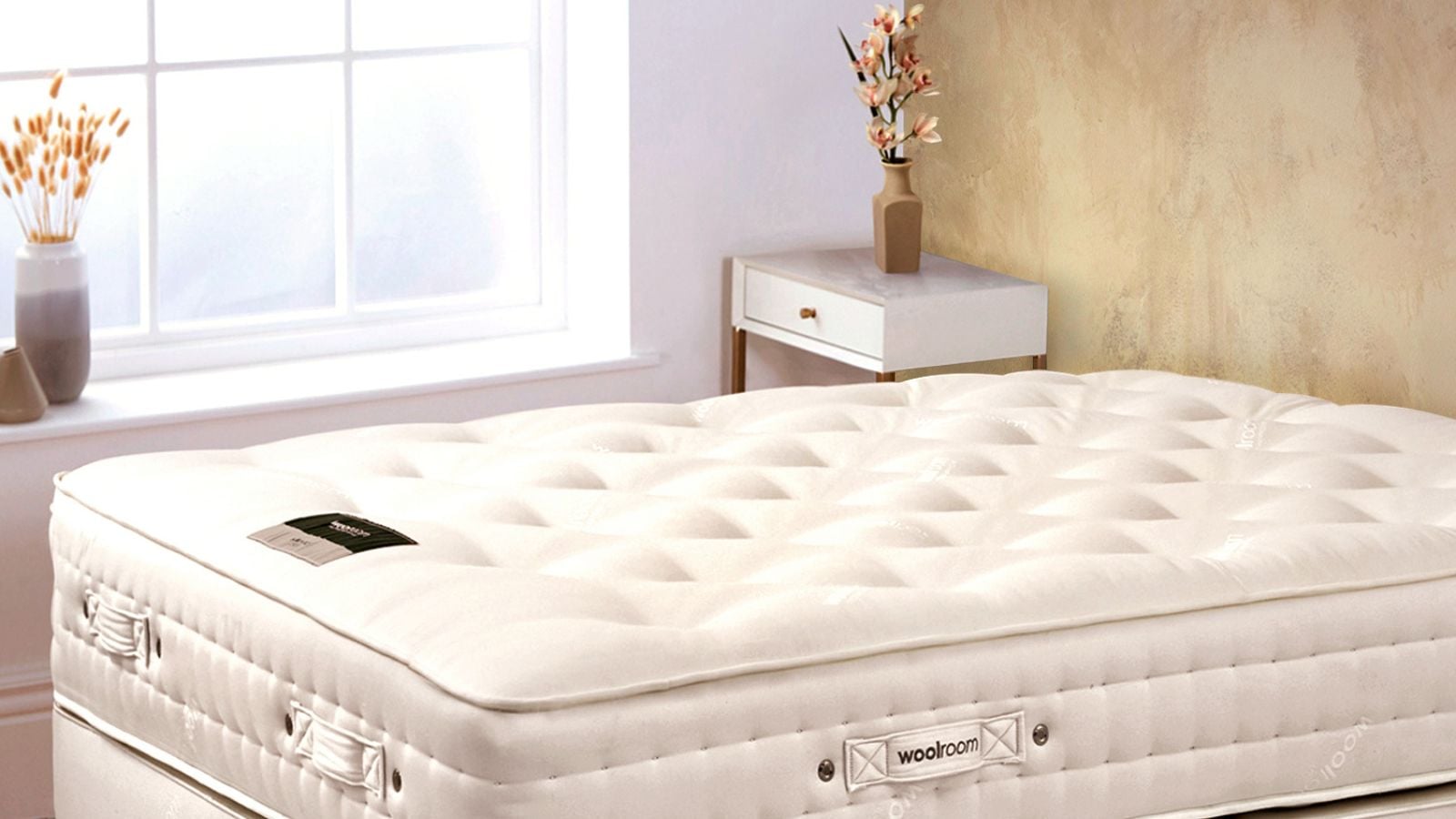
A comfortable bed is essential for a good night’s sleep, and choosing the right bedding can make a significant difference in your sleeping experience. Wool bedding has become a popular choice for people looking for natural materials, year-round comfort, and practical temperature regulation. From wool duvets to pillows and mattress toppers, these products offer an alternative to traditional synthetic bedding.
If you are considering upgrading your bedroom, understanding the benefits of wool bedding can help you make an informed decision. This guide explains what to look for when choosing wool duvets, pillows, and other bedding essentials.
What Is Wool Bedding?
Wool bedding is made using natural wool fibers, which are commonly used in duvets, pillows, mattress toppers, and blankets. Wool is valued for its ability to help regulate temperature and manage moisture, making it a useful material for different sleeping environments.
Unlike some synthetic fillings, wool has a natural structure that helps trap air while allowing moisture vapor to move through the fibers. This can contribute to a comfortable sleeping environment throughout the year.
When shopping for wool bedding, check the product description to understand the type of wool used, the construction, and the care requirements.
1. Understand the Benefits of Wool Bedding
One of the main reasons people choose wool bedding is its natural performance. Understanding these benefits can help you decide whether wool is suitable for your needs.
Temperature Regulation
Wool fibers can help maintain a comfortable sleeping temperature by trapping insulating air while allowing excess heat and moisture to move away from the body. This can be useful for people who experience temperature changes during the night.
However, comfort depends on several factors, including room temperature, duvet weight, clothing, and individual preferences.
Moisture Management
Wool can absorb moisture vapor and release it into the surrounding air. This property may help bedding feel more comfortable for people who tend to become warm while sleeping.
Good ventilation and regular airing are still important for keeping bedding fresh.
Natural Insulation
Wool provides insulation without necessarily requiring an especially heavy filling. Different wool products offer different levels of warmth, so it is important to choose bedding that suits your climate and sleeping habits.
Durability and Longevity
High-quality wool bedding can provide long-term use when properly maintained. Following the manufacturer’s washing, drying, and storage instructions can help preserve the fibers and the overall structure of the product.
2. Choose the Right Wool Duvet
A wool duvet is an important bedding investment, so consider your sleeping temperature, local climate, and preferred level of warmth before buying one.
Select the Appropriate Warmth Level
Wool duvets are available in different weights and warmth ratings. A lighter duvet may suit warmer weather or people who naturally sleep hot, while a warmer option may be more appropriate for colder bedrooms.
Consider these factors before choosing:
- Warm climate: Look for a lighter duvet designed for warmer conditions.
- Cold bedroom: Consider a warmer option with sufficient insulation.
- Year-round use: Choose a versatile duvet or consider separate seasonal options.
- Personal comfort: Think about whether you usually feel hot or cold at night.
Do not assume that the heaviest duvet is automatically the best choice. The right option should match your individual comfort needs.
Check the Filling and Construction
Look at the product specifications to find out what type of wool is used and how the filling is distributed. Even stitching and well-finished construction can contribute to consistent comfort and help the duvet maintain its shape.
Also, check the outer fabric, as its feel and breathability can influence your overall sleeping experience.
3. Find the Best Wool Pillow
The right pillow supports your head and neck while helping you maintain a comfortable sleeping position. Wool pillows are worth considering if you prefer natural filling materials.
When choosing a wool pillow, consider the following:
- Sleeping position: Side sleepers often need more height than back or stomach sleepers.
- Firmness: Choose a pillow that provides the level of support you find comfortable.
- Adjustability: Check whether the filling can be adjusted to change the pillow’s height.
- Maintenance: Review the washing and airing instructions before purchasing.
Remember that wool filling alone does not guarantee the right neck support. Pillow shape, firmness, and filling quantity also matter.
4. Consider a Wool Mattress Topper
A wool mattress topper can add another layer of comfort to your bed. It may be useful if you want a softer surface or additional insulation without replacing your mattress.
Before buying a topper, check its thickness, dimensions, attachment method, and care instructions. Make sure it fits your mattress properly and provides the type of comfort you want.
A topper can change how a mattress feels, but it will not necessarily correct a mattress that has lost its support or developed deep sagging.
5. Compare Wool with Synthetic Bedding
Wool and synthetic bedding have different characteristics. Comparing them can help you choose the option that best fits your budget and preferences.
Wool Bedding
Wool is a natural fiber valued for insulation and moisture management. It may appeal to shoppers who prefer natural filling materials and are willing to follow specific care instructions.
Synthetic Bedding
Synthetic bedding often uses polyester or other manufactured fibers. Depending on the product, it may be less expensive, easier to wash, or more suitable for people who prefer a particular filling texture.
Which Is Better?
Neither material is best for everyone. Wool may be a good choice if natural fibers and temperature management are priorities. Synthetic bedding may be more suitable if price, easy maintenance, or a particular feel matters most.
Compare individual products rather than relying only on the material name. Construction, quality, care requirements, and warmth ratings can vary significantly.
6. Check Quality, Materials, and Certifications
Before purchasing wool bedding, read the product details carefully. Useful information includes the wool’s origin, filling composition, outer fabric, manufacturing details, and any available independent certifications.
If a product claims to be organic, responsibly sourced, or independently tested, check whether the claim is supported by a relevant certification or clear documentation.
Also consider the following:
- Material transparency: The seller should clearly describe the filling and cover.
- Construction quality: Look for secure stitching and a well-made finish.
- Product sizing: Confirm that the duvet, pillow, or topper matches your bed.
- Care instructions: Make sure you can maintain the product properly.
- Warranty and returns: Review the terms before placing an order.
These checks help you compare products on useful criteria instead of relying on marketing claims alone.
7. Read Reviews Before Buying Wool Bedding
Customer reviews can provide helpful information about comfort, warmth, quality, delivery, and everyday use. Look for reviews that describe the product after several weeks or months, rather than relying only on first impressions.
When researching The Wool Room Review, compare feedback about product quality, temperature comfort, customer service, delivery, and value for money. Pay attention to recurring comments, but remember that individual experiences can vary.
It is also useful to review the retailer’s returns policy and warranty information. These details can help you understand what happens if the bedding does not meet your expectations.
8. Learn How to Care for Wool Bedding
Proper care helps preserve the quality and performance of wool bedding. Always follow the specific instructions supplied with your product, because not every wool item can be washed in the same way.
Air Your Bedding Regularly
Allowing your duvet or pillow to air in a well-ventilated space can help release trapped moisture and keep it fresh. Avoid leaving wool products in damp conditions.
Follow Washing Instructions
Some wool bedding requires specialist cleaning, while other products may allow gentle washing. Check the label before using a washing machine or cleaning product.
Dry It Thoroughly
Make sure bedding is fully dry before storing or using it again. Incomplete drying can lead to unpleasant odors and other moisture-related problems.
Store It Properly
If you store seasonal bedding, use a clean, dry, breathable storage bag when recommended by the manufacturer. Keep it away from damp areas and excessive heat.
9. Consider Your Budget and Long-Term Value
Wool bedding can cost more upfront than some basic synthetic alternatives. To decide whether it offers good value, compare the initial price with the product’s expected lifespan, maintenance needs, warranty, and comfort.
A useful buying checklist includes:
- The total price, including delivery
- The duvet’s warmth rating and size
- The type and quantity of wool filling
- The quality of the cover and stitching
- The cost and requirements of maintenance
- The returns policy and warranty
Buying the most expensive option does not automatically mean getting the best product. Focus on features that match your needs and compare similar products before deciding.
Conclusion
Choosing the best wool bedding starts with understanding your sleeping habits, preferred warmth, and budget. Wool duvets, pillows, and mattress toppers can offer natural insulation and moisture management, making them worth considering for a comfortable bedroom.
Before buying, compare materials, construction, warmth ratings, care requirements, customer reviews, and retailer policies. With careful research, you can select wool bedding that suits your home and supports a comfortable nighttime routine.
Whether you are replacing an old duvet or upgrading your entire bed, prioritizing quality and personal comfort will help you make a more confident decision.