




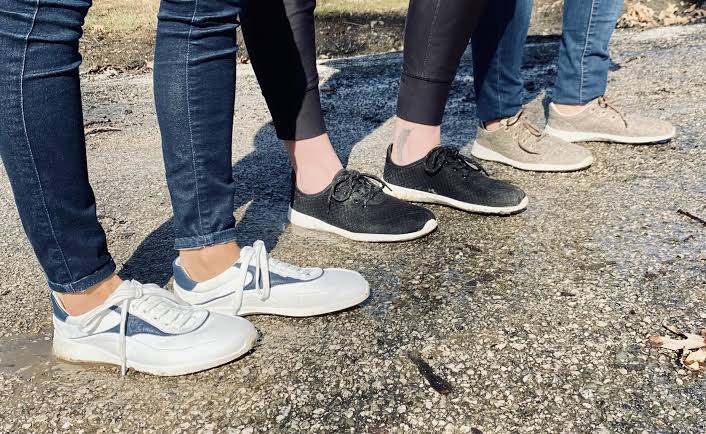
Barefoot shoes are becoming a popular choice for people who want comfortable, flexible footwear for everyday activities. Unlike many traditional shoes, barefoot shoes are generally designed with a wide toe box, thin flexible soles, and a shape that allows the feet to move more naturally. These features make them an appealing option for walking, traveling, and daily wear.
Whether you spend long hours on your feet or simply want a more flexible shoe for your daily routine, understanding the benefits of barefoot footwear can help you make an informed decision. In this guide, we will explore the key benefits of barefoot shoes, what to look for when buying them, and how to choose a pair that suits your lifestyle.
What Are Barefoot Shoes?
Barefoot shoes are minimalist shoes designed to allow greater freedom of movement for the feet. They typically feature a wide toe box, a flexible sole, and minimal cushioning compared with conventional footwear. Many models also have a zero-drop design, meaning the heel and forefoot sit at the same height.
These features aim to support natural foot movement while still providing a protective layer between your feet and the ground. However, barefoot shoes vary by brand and model, so it is important to check the design and specifications before purchasing.
1. More Room for Natural Toe Movement
One of the main features of barefoot shoes is their wide toe box. Traditional shoes can sometimes squeeze the toes together, especially when the front of the shoe is narrow. Barefoot shoes are often shaped to give the toes more space to spread naturally.
Extra toe room can make walking feel more comfortable for people who find narrow footwear restrictive. When choosing a pair, look for a shape that accommodates your foot without allowing excessive slipping inside the shoe.
2. Flexible Soles for Everyday Movement
Barefoot shoes generally have flexible soles that bend with the foot. This design allows the feet to move through different stages of walking without the stiff structure found in some traditional shoes.
Flexible footwear can be useful for everyday activities such as walking around town, running errands, or traveling. The level of flexibility varies between models, so consider where you plan to wear your shoes and whether the sole provides enough protection for those surfaces.
3. Lightweight Design for Daily Wear
Many barefoot shoes are made with lightweight materials, which can make them convenient for everyday use. A lighter shoe may feel less bulky during activities such as commuting, shopping, or exploring a new city.
If you spend a lot of time walking, consider the overall weight, breathability, fit, and flexibility of the shoe. Comfort depends on more than weight alone, so make sure the footwear feels secure and supportive enough for your needs.
4. A More Natural Walking Experience
Barefoot shoes are designed to allow the feet to move with fewer structural restrictions. Their thin soles may also help wearers notice the texture of the ground beneath them more clearly than they would in heavily cushioned shoes.
Some people enjoy this closer connection to the ground, particularly during casual walks. However, barefoot shoes do not automatically improve posture or eliminate foot pain. The experience depends on your foot structure, walking habits, footwear fit, and the surfaces you use them on.
5. Versatile Styles for Different Outfits
Modern barefoot footwear is available in a variety of styles, including casual sneakers, everyday walking shoes, and designs suitable for work or travel. This variety makes it easier to find minimalist shoes that fit your wardrobe.
When comparing options, consider the material, color, weather resistance, and intended use. A breathable fabric may work well for warm weather, while a more durable or water-resistant upper may be preferable for cooler or wetter conditions.
6. Potential Support for Foot Strength
Because barefoot shoes often provide less cushioning and structure than conventional footwear, they may require the muscles of the feet and lower legs to work differently. Some people choose minimalist shoes as part of a gradual transition toward more natural foot movement.
However, the benefits are not the same for everyone, and research does not establish that barefoot shoes are ideal for all wearers. If you are accustomed to highly cushioned shoes, switching suddenly may cause discomfort or excessive strain.
Start by wearing barefoot shoes for short periods and gradually increase use as your feet adapt. If you have existing foot problems, balance concerns, diabetes-related foot complications, or a history of injuries, consult a qualified healthcare professional before making a major footwear change.
How to Choose the Right Barefoot Shoes
Finding the right pair involves more than choosing a popular brand. Keep these factors in mind before making a purchase.
Check the Toe Box
Choose shoes that provide enough room for your toes to spread without rubbing against the sides. Your toes should not feel cramped when standing or walking.
Consider Sole Flexibility
Look for a sole that bends comfortably and suits your intended activities. Very thin soles may not provide enough protection on rough or rocky surfaces.
Choose Breathable Materials
Breathable uppers can help improve comfort during warm weather and extended wear. If you expect to walk in wet conditions, compare water resistance and drying time as well.
Find the Right Fit
Measure both feet if possible and check the brand’s sizing chart. Footwear sizing can vary between manufacturers, so do not assume that your usual size will fit every model.
Transition Gradually
If you are new to minimalist footwear, begin with short walks and limited daily wear. Increase your usage gradually and stop if you experience persistent pain or unusual discomfort.
Why Consider Groundies Barefoot Shoes?
Groundies is a footwear brand associated with barefoot and minimalist shoe designs. When exploring its collection, compare individual models based on toe-box shape, sole thickness, flexibility, materials, and intended use.
A pair that works well for casual city walking may not be the best choice for every activity or foot type. Reading independent customer feedback can also help you understand practical considerations such as sizing, comfort, durability, and everyday performance.
When researching a Groundies Review, pay attention to comments about fit, toe space, sole flexibility, material quality, and long-term wear. Compare multiple reviews rather than relying on a single opinion, and check the brand’s current sizing guidance and return policy before ordering.
Barefoot Shoes vs. Traditional Shoes
Barefoot shoes and traditional shoes are designed with different priorities. Barefoot shoes typically emphasize flexibility, a wider toe box, and minimal differences in heel and forefoot height. Traditional shoes vary widely but may include thicker cushioning, more structured uppers, arch support, or elevated heels.
Neither type is automatically best for everyone. Your ideal footwear depends on comfort, activity level, foot shape, personal preference, and any health considerations. Some people prefer minimalist shoes for selected activities, while others feel more comfortable in conventional footwear.
How to Care for Barefoot Shoes
Proper care can help extend the life of your footwear.
- Clean regularly: Follow the manufacturer’s instructions for cleaning the upper and sole.
- Allow shoes to dry: Air-dry wet shoes and avoid excessive heat unless the care instructions specifically permit it.
- Check the soles: Look for uneven wear, damage, or loss of grip.
- Store them properly: Keep shoes in a dry, ventilated place.
- Rotate footwear: If you wear your shoes frequently, alternating between pairs may give each pair time to dry fully.
Always follow the care guidance for the specific materials used in your shoes.
Final Thoughts
Barefoot shoes can be an appealing option for people who value a wide toe box, flexible soles, lightweight construction, and a less restrictive feel. They offer a different approach to everyday footwear, but the right choice depends on your needs, activities, and comfort preferences.
Before buying, compare the fit, materials, sole design, and intended use of different models. If you are new to barefoot footwear, transition gradually and pay attention to how your feet respond. With careful selection, you can find footwear that suits your daily routine while giving your feet more freedom to move.