





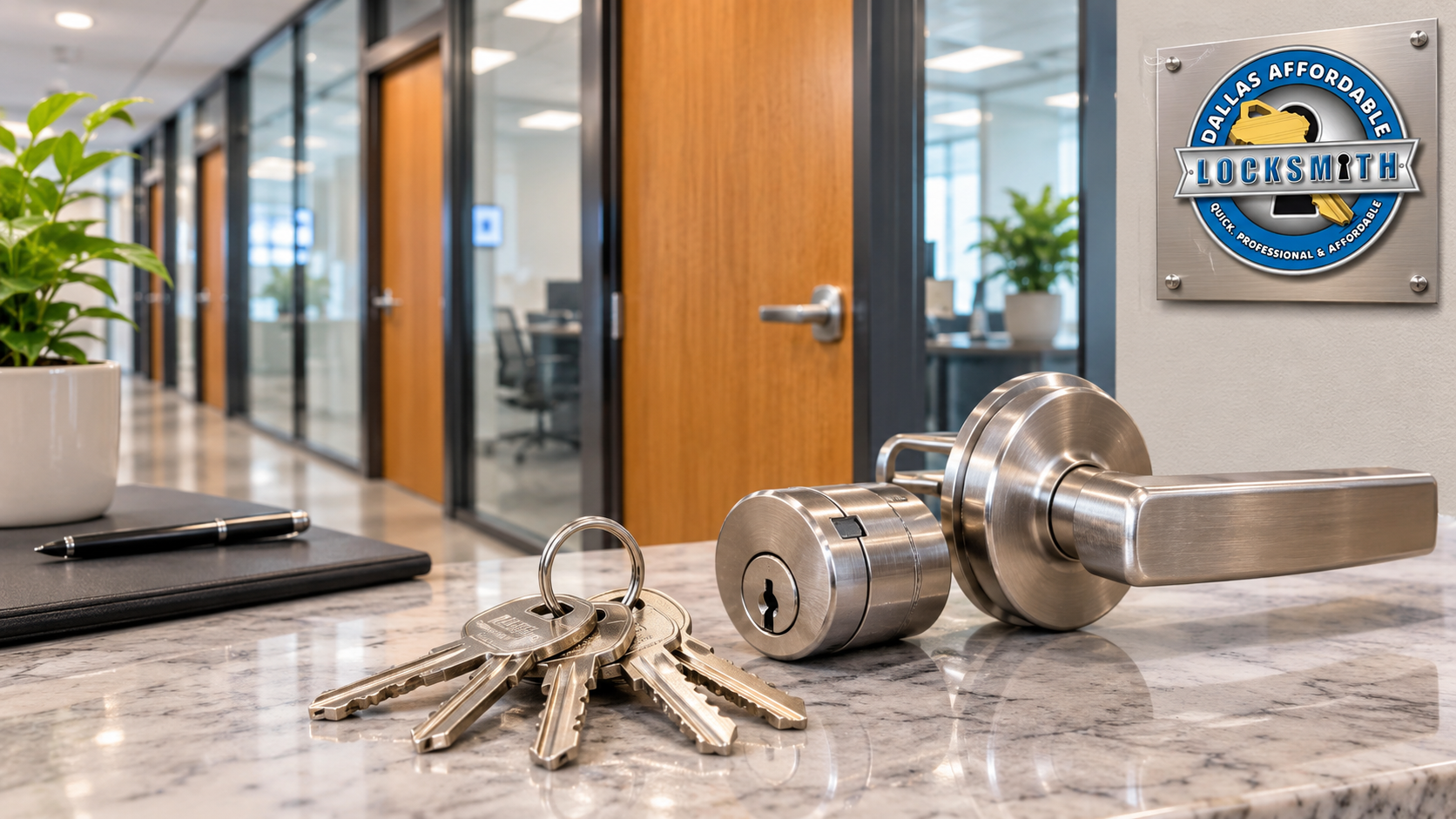
A key breaking inside a door lock can turn an ordinary day into a frustrating situation. Whether you are trying to enter your home after work or secure your business before closing, a snapped key can prevent the lock from functioning properly. Understanding why keys break and how to respond can help you avoid further damage and restore access safely. Homeowners dealing with lock problems can also explore practical security solutions through Dallas Affordable Locksmiths.
Although removing a broken key may seem like a simple task, the wrong technique can damage the lock cylinder or push the fragment deeper into the keyway. Knowing when to attempt a careful removal and when to contact a professional locksmith is essential for protecting your door hardware.
Common Reasons a Key Breaks Inside a Door Lock
Keys are typically made from brass, nickel silver, or other metal alloys. Although these materials are designed for regular use, they can weaken over time. Several factors contribute to a broken key inside a door lock.
1. Worn or Damaged Keys
Frequent use gradually wears down the cuts and edges of a key. Small cracks, bending, and corrosion can also weaken its structure. A worn key may require additional pressure to turn, increasing the likelihood of snapping inside the lock.
If a key looks bent or shows visible signs of wear, replacing it before it breaks can prevent an unexpected lockout.
2. A Stiff or Misaligned Lock
A lock cylinder that has accumulated dust, debris, or internal wear may become difficult to operate. Similarly, a misaligned door can place pressure on the deadbolt or latch.
When the key does not turn smoothly, people often apply excessive force. This pressure can cause the key blade to break, especially if it is already weakened.
3. Incorrect Key Usage
Using the wrong key, forcing a key into a tight keyway, or turning it aggressively can damage both the key and the locking mechanism.
Keys should enter the lock smoothly and rotate without excessive resistance. If a key repeatedly sticks, the underlying lock issue should be addressed rather than ignored.
What to Do Immediately When a Key Snaps in a Lock
When a key breaks inside a door lock, remaining calm and avoiding unnecessary force can make the situation easier to resolve.
Stop Turning the Lock
If the key breaks while turning, stop immediately. Continuing to rotate the remaining fragment may push it farther into the cylinder or interfere with the internal pins.
Avoid repeatedly inserting the broken half of the key, as this can make extraction more difficult.
Check Whether Any Key Fragment Is Visible
Look closely at the keyway to determine whether part of the broken key is sticking out.
If a small section is exposed, it may be possible to grip it carefully with fine-tipped pliers. However, avoid pulling at an angle or applying excessive force.
If the broken piece is completely inside the lock, specialized extraction tools are generally more appropriate.
Avoid Using Glue or Sharp Objects
One common mistake is applying superglue to the broken key in an attempt to attach the remaining piece.
This method can cause adhesive to enter the lock cylinder, potentially damaging its internal components. Paper clips, needles, and improvised tools may also push the fragment deeper or scratch the keyway.
Instead, assess the situation before attempting any removal.
How to Remove a Broken Key From a Door Lock
The correct removal technique depends on the position of the broken fragment and the condition of the lock.
Use a Broken Key Extractor
A broken key extractor is a specialized locksmith tool designed to grip and remove fragments from a lock cylinder.
The tool is carefully inserted alongside the broken key and positioned to catch its grooves. With controlled movement, the fragment can often be pulled out without damaging the lock.
This method is generally more suitable than improvised tools when the key is lodged inside the cylinder.
Consider Professional Key Extraction
When the key is deeply embedded, the lock is jammed, or the door cannot be secured, professional assistance may be the safest option.
A qualified locksmith can inspect the cylinder, determine the appropriate extraction method, and assess whether the lock needs repair or replacement.
For homeowners experiencing a more complicated lock problem, residential locksmith services in Dallas can provide a relevant starting point for addressing residential lock and key concerns.
Professional extraction may help preserve the existing lock, depending on its condition and the severity of the damage.
When Should You Replace the Door Lock?
Removing the broken key does not always resolve the underlying issue.
Consider replacing or repairing the lock if:
- The key repeatedly gets stuck or breaks.
- The cylinder feels loose or damaged.
- The lock remains difficult to turn after extraction.
- Internal components show signs of excessive wear.
- The lock no longer secures the door reliably.
A locksmith can determine whether a simple repair, rekeying, or complete lock replacement is appropriate.
Replacing a severely worn lock may also improve everyday convenience and provide better control over property access.
How to Prevent Keys From Breaking Inside Locks
Preventive maintenance can reduce the likelihood of future key breakage.
Maintain Your Door Lock
Inspect your locks periodically for signs of corrosion, dirt, or unusual resistance. Use a lubricant specifically recommended for your lock manufacturer, such as an appropriate dry lock lubricant.
Avoid applying excessive amounts of oil or unsuitable household products that may attract debris.
Replace Worn Keys
If a key is bent, cracked, or noticeably worn, have a replacement made before it fails.
Whenever possible, duplicate a key that is in good condition rather than repeatedly copying a worn original.
Address Door Alignment Problems
A deadbolt that rubs against the strike plate may place unnecessary pressure on the key.
Check whether the door closes properly and whether the bolt moves freely. Persistent alignment problems should be corrected to prevent additional strain on the locking mechanism.
Never Force a Sticking Key
A key should rotate with reasonable effort. If it suddenly becomes difficult to turn, investigate the cause rather than applying additional pressure.
This simple habit can help prevent a damaged key from becoming an emergency.
Conclusion
A broken key inside a door lock can be inconvenient, but the right response can prevent a minor problem from becoming a costly repair. Worn keys, stiff cylinders, and door misalignment are common causes of key breakage.
Avoid forcing the broken fragment, using glue, or inserting sharp objects into the keyway. Carefully assess whether the fragment is accessible, and consider professional broken key extraction when the piece is deeply lodged or the lock is malfunctioning.
Regular lock maintenance, timely key replacement, and attention to alignment issues can help keep your doors operating smoothly and reduce the risk of unexpected lock problems.
Frequently Asked Questions
Can a broken key be removed without replacing the lock?
Yes. In many situations, a broken key can be extracted without replacing the lock. The final outcome depends on the fragment’s position and the condition of the cylinder.
Should I use WD-40 to remove a broken key?
Avoid using general-purpose lubricants without checking whether they are suitable for your lock. A lock-specific lubricant is generally a better choice for maintenance.
Why does my key keep breaking inside the lock?
Repeated key breakage may indicate a worn key, a stiff cylinder, internal lock damage, or door misalignment. Addressing the underlying problem can help prevent future breakage.