




Moving into a new home or upgrading an existing living space presents an excellent opportunity to establish a modern connected environment. Residential properties today rely increasingly on smart systems that manage everyday functions, from ambient climate regulation to intelligent security monitoring. When designed with foresight and care, smart home technology simplifies daily routines, enhances comfort, and gives homeowners clear visibility into how their living spaces perform.
However, turning a house into a dependable smart residence involves far more than simply purchasing automated devices off the shelf. Many homeowners and technology enthusiasts encounter common pitfalls, such as network dead zones, incompatible wireless protocols, and mounting installation costs. Building a system that works reliably over time requires a thoughtful look at your physical living space, a robust networking architecture, and a realistic strategy for managing upgrade expenses.
Evaluating Residential Layouts Before Installing Hardware
Every residential building presents unique structural factors that influence how signals travel and where hardware should be installed. Thick masonry walls, multi-level floor plans, and dense building materials can easily weaken communication between smart sensors and central management controllers. Before investing in new hardware, take time to walk through the layout of the home and determine where automated components will deliver genuine everyday utility.
Understanding the layout and physical characteristics of residential real estate is essential for proper hardware placement. Examining floor plans, structural layouts, and construction features helps you determine the most effective locations for hubs, environmental sensors, and security equipment. For homeowners seeking detailed insight into residential houses and their architectural features, cashbuffalo.org provides useful resources on residential property characteristics and home layouts. Having an accurate understanding of your living space prevents signal blind spots and helps you avoid frustrating repositioning later.
In addition to room layouts, examine your core physical utility locations throughout the property. Take note of where the main electrical panel sits, identify major plumbing junctions, and confirm the physical entry point of your broadband internet connection. Locating these infrastructure hubs early simplifies the installation of automated water shutoff valves, power monitoring plugs, and central network gateways without running unsightly cables across primary living areas or drilling unnecessary holes in finished walls.
Building a Reliable and Secure Network Foundation
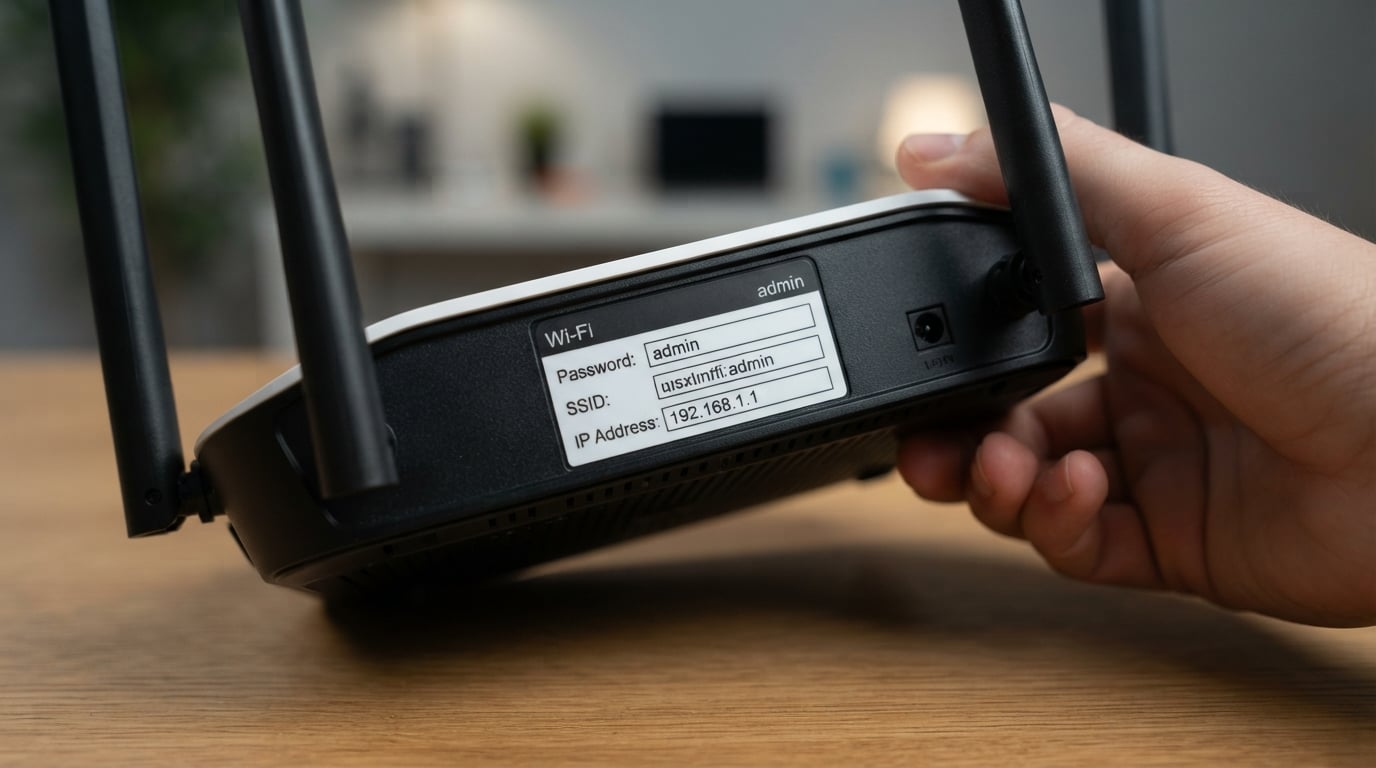
A connected residence is only as dependable as the network underpinning it. A frequent mistake is attempting to connect numerous smart sensors, cameras, and hubs to a basic router supplied by an internet service provider. These entry-level units often struggle under the load of multiple concurrent wireless connections, resulting in dropped signals, delayed automation triggers, and sluggish response times.
Investing in a dedicated mesh wireless network or hardwired access points ensures balanced, high-speed coverage throughout every room and outdoor perimeter. Placing central networking hardware near the geographic center of the property maintains uniform signal strength across all living spaces. Selecting networking hardware that supports modern multi-band standards also guarantees sufficient bandwidth for data-intensive activities like remote work video calls and high-resolution security streaming.
Network security is just as important as coverage when introducing connected hardware to your household. Set up an isolated local area network or a dedicated guest wireless network exclusively for smart gadgets. Separating smart lights, plugs, and cameras from your personal computers, private storage drives, and mobile devices creates an effective security barrier that protects your personal data should an individual smart peripheral ever be compromised.
Prioritizing High-Utility Practical Equipment
When outfitting a home with technology, it is easy to get distracted by decorative novelties such as multi-colored accent lighting or motorized drapery. While these gadgets can be entertaining, practical home tech investments that safeguard the property and reduce energy waste should always come first. Prioritizing functional hardware ensures that your investments yield lasting everyday value.
Consider starting your setup with a focused set of foundational devices that provide tangible benefits right away:
- Smart water leak sensors positioned near water heaters, washing machines, and sink supply lines.
- Programmable smart thermostats that adapt to household schedules and reduce unnecessary heating and cooling.
- Keyless entry door locks that offer encrypted guest codes and remote locking confirmation.
- Smart smoke and carbon monoxide alarms that broadcast real-time alerts to mobile phones.
These core components quietly monitor your home and intervene during minor issues before they become major disasters. An automated leak sensor, for instance, can notify you of an active plumbing failure within moments, helping you prevent substantial structural water damage. Starting with reliable safety and efficiency tools builds a sturdy foundation that decorative accessories can complement later.
Managing Hardware Budgets and Unexpected Maintenance
Modernizing a home with connected technology requires steady financial planning and realistic milestone setting. Purchasing commercial-grade routers, reliable smart locks, smart thermostats, and environmental sensors can quickly strain your monthly budget if attempted all at once. Adopting a phased approach allows you to spread out hardware purchases, test device compatibility in small stages, and refine your automations without overspending or creating unnecessary financial pressure.
Staging your smart home investments in predictable phases mirrors the sound principles used when upgrading IT infrastructure without derailing business cash flow. By planning each equipment purchase in advance and evaluating performance before expanding the setup, you maintain control over your personal finances while steadily upgrading the security and convenience of your residence.
Even with thorough financial discipline, home renovation and tech installation projects frequently uncover unforeseen structural or electrical repairs. Installing a smart thermostat might expose outdated household wiring that demands immediate attention, or mounting a water monitor might uncover degraded pipe fittings. In situations where urgent property repairs arise between regular paydays, short-term emergency funding through Instantpaydayloansoh.com can provide rapid financial assistance to resolve pressing household emergencies without derailing your ongoing smart home plans.
Establishing a Simple Long-Term Maintenance Routine
A modern smart residence is not a set-it-and-forget-it project. Unlike traditional mechanical appliances that function without intervention for decades, connected hardware depends on active firmware updates, software patches, and periodic battery replacements. Building a light, recurring maintenance schedule ensures that your smart devices remain responsive, function consistently, and stay resilient against emerging digital vulnerabilities.
Set aside a brief window every few months to verify that your central hub and individual peripherals are running the latest software versions. Replace low batteries in wireless motion and contact sensors promptly to avoid unexpected automation lapses. Maintaining a written log of hardware models, network IP addresses, and vendor support contacts also makes future troubleshooting fast and hassle-free.
Investing in reliable home technology turns an ordinary living space into a responsive, efficient, and well-protected environment. By assessing your property layout, building an isolated and robust network, choosing practical monitoring tools, and maintaining your hardware routinely, you can build a connected home that provides convenience and peace of mind for years to come.