




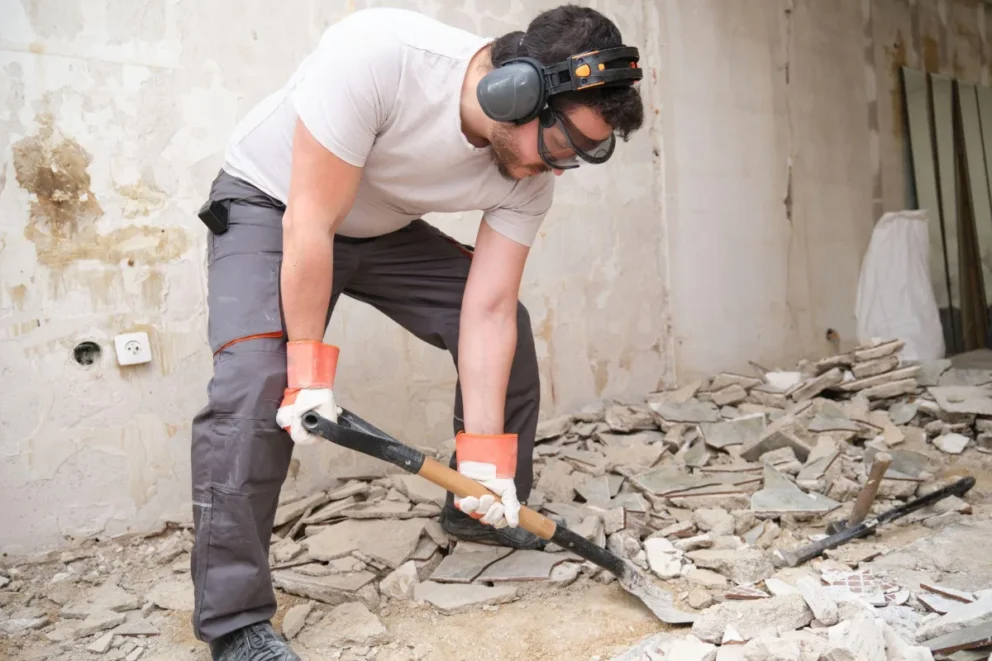
Understand the Importance of Proper Debris Hauling
Home renovations, construction work, landscaping, and property cleanouts can leave behind large amounts of unwanted material. Broken furniture, wood scraps, drywall, fallen branches, and general rubbish can quickly take up valuable space. When debris is left scattered around, it can make a property look untidy and interfere with everyday activities. Having a practical hauling plan helps keep cleanup projects organized and makes it easier to maintain a usable space. Whether you are clearing a residential property or managing a commercial project, proper waste handling can save time and reduce unnecessary stress.
Choose a Convenient Hauling Solution
Removing heavy or bulky debris can be difficult without suitable transportation and equipment. Debris Hauling Services West Park FL can provide a practical option for homeowners, contractors, and businesses that need to clear unwanted materials from their properties. A suitable hauling arrangement can help move debris from renovation projects, outdoor cleanups, construction sites, and general property maintenance. Before scheduling a service, consider how much material needs to be removed, what types of waste are involved, and whether the collection area is easy to access.
Identify and Organize Materials Before Removal
A well-organized cleanup begins with identifying the materials that need to be hauled away. Common debris includes broken furniture, damaged cabinets, wood, drywall, flooring, cardboard, and yard waste. Larger projects may also produce concrete pieces, metal scraps, and other construction materials. Separate different waste types whenever practical so they can be handled according to their disposal requirements. This also makes it easier to estimate the amount of debris and prepare for collection. Keep valuable belongings, reusable items, and materials that require special disposal separate from general waste.
Prepare the Property for Efficient Hauling
Preparing the work area can help make debris removal smoother. Gather loose materials in an accessible location without blocking entrances, walkways, or driveways. Move tools, vehicles, and personal belongings away from the collection area so workers have enough room to operate. For indoor projects, make sure hallways and doorways are clear before moving bulky objects. Outdoor cleanup areas should also be checked for uneven ground, overhead branches, and other obstacles. A little preparation can reduce delays and make it easier to remove unwanted materials safely.
Make Cleanup Projects Easier to Manage
Large amounts of waste can slow down renovation, landscaping, and property improvement work when they are not removed regularly. Debris Removal West Park FL can be a useful option for clearing unwanted materials after construction, home improvements, storm cleanup, or general property maintenance. Choosing an appropriate hauling arrangement depends on the type and quantity of debris, the project schedule, and the property’s access conditions. Before arranging collection, ask about accepted materials, scheduling, loading requirements, and any special handling rules. Clear expectations help keep the cleanup process organized.
Follow Safe Handling Practices
Debris hauling often involves heavy, sharp, or awkward materials that require careful handling. Wear sturdy footwear, protective gloves, and suitable clothing when moving ordinary waste. Avoid lifting objects that are too heavy to manage safely, and use proper equipment when necessary. Broken glass, exposed nails, sharp metal, and damaged building materials should be handled with extra caution. Keep children and pets away from active cleanup areas. If debris includes unstable structures, damaged trees, or materials near electrical lines, contact qualified professionals rather than attempting risky removal yourself.
Understand Disposal and Recycling Requirements
Different materials may require different disposal methods. Cardboard, metal, untreated wood, and certain plastics may have recycling options depending on local facilities and provider policies. Some furniture and household items may also be suitable for donation or reuse if they remain in good condition. However, chemicals, batteries, paint, fuel containers, and certain electronic products may require special handling. Check the applicable disposal guidelines before placing these materials with general debris. Sorting waste properly can help prevent collection problems and support more responsible waste management.
Keep the Work Area Clean Throughout the Project
Waiting until the end of a project to remove all debris can create unnecessary clutter. Instead, collect unwanted materials regularly as work progresses. Keep designated waste areas organized and make sure they do not interfere with equipment, deliveries, or pedestrian access. Remove loose rubbish from walkways and entrances to maintain a safer working environment. For longer projects, plan hauling arrangements around the work schedule so accumulated waste does not take up space needed for tools and supplies. Regular cleanup makes the final stages of a project easier.
Maintain a Cleaner Property After Hauling
Once the unwanted materials have been removed, inspect the property for smaller pieces of debris that may have been overlooked. Check storage spaces, outdoor corners, driveways, garden areas, and work surfaces. Put away tools, organize remaining materials, and arrange recycling or special disposal for anything that was kept separate. Making debris management part of regular property maintenance can prevent clutter from building up again. With thoughtful preparation, safe handling, and a suitable hauling plan, you can keep residential and commercial spaces cleaner, more accessible, and ready for their next use.