





Exterior surfaces around residential and commercial properties are regularly exposed to weather, dust, dirt, moisture, and environmental debris. Over time, these conditions can affect the appearance of driveways, sidewalks, patios, decks, siding, fences, and other outdoor areas. Maintaining exterior surfaces requires regular attention, particularly in areas where rainfall and changing weather conditions contribute to the accumulation of dirt and moisture. Pressure Washing Port Moody, BC is an important topic for property owners looking to understand how exterior cleaning can help maintain outdoor spaces, improve the appearance of their properties, and manage accumulated grime.
Outdoor cleaning is often overlooked because exterior dirt develops gradually. Driveways may collect tire marks and dust, patios may accumulate debris, and siding may develop visible stains from environmental exposure. Regular exterior maintenance can help property owners identify cleaning needs and maintain outdoor surfaces more effectively. Understanding how pressure washing works, which surfaces may benefit from it, and what precautions should be considered can help homeowners plan appropriate property maintenance.
What Is Pressure Washing?
Pressure washing is a cleaning method that uses pressurized water to remove dirt, debris, and certain types of surface buildup from outdoor materials. The equipment typically uses a motorized pump to deliver water through a nozzle at a controlled pressure. Depending on the equipment, surface material, and cleaning requirements, pressure levels and nozzle settings can vary.
Pressure washing is commonly used on concrete, certain stone surfaces, patios, walkways, driveways, outdoor stairs, and some exterior walls. However, not every surface can safely withstand high-pressure water. Wood, painted surfaces, delicate siding, roofing materials, and older structures may require lower pressure, specialized techniques, or alternative cleaning methods.
Understanding the material being cleaned is essential because excessive pressure can damage surfaces, remove paint, dislodge materials, or force water into areas where it may cause problems. Proper equipment selection and suitable cleaning techniques are important considerations when planning exterior maintenance.
Why Exterior Cleaning Matters for Property Maintenance
Outdoor surfaces experience environmental exposure throughout the year. Rain, wind, dust, leaves, soil, traffic, and other conditions can contribute to dirt accumulating around residential and commercial properties. Exterior cleaning can help maintain the appearance of these surfaces and make outdoor spaces more manageable.
Regular maintenance also allows property owners to inspect exterior areas more closely. Dirt and debris may conceal cracks, stains, loose materials, or other visible conditions that require attention. Cleaning can help make these areas easier to examine, although pressure washing itself does not repair structural problems.
Maintaining outdoor spaces can also contribute to the overall presentation of a property. Clean sidewalks, patios, driveways, and entryways can create a more organized appearance and make outdoor areas more pleasant to use.
Pressure Washing Driveways and Concrete Surfaces
Driveways and concrete areas are among the most common surfaces considered for pressure washing. These spaces frequently experience vehicle traffic, foot traffic, exposure to weather, and the accumulation of dust, soil, and debris. Concrete driveways may develop visible tire marks, surface dirt, and stains over time.
Removing Dirt and Surface Buildup
Concrete driveways can collect dirt, dust, mud, and debris from vehicles and outdoor activities. Regular sweeping may remove loose material, but certain stains and accumulated grime can require additional cleaning methods. Pressure washing can help remove some of this buildup when appropriate equipment and techniques are used.
Cleaning driveways may involve adjusting pressure, selecting suitable nozzles, and working across the surface consistently. Different concrete finishes and conditions may require different approaches, particularly when dealing with older concrete or surfaces with visible damage.
Maintaining Driveway Appearance
A driveway is often one of the most visible exterior areas of a property. Dirt, stains, and accumulated debris can affect its overall appearance. Maintaining driveway cleanliness can help create a more organized exterior environment and make the surrounding property look better maintained.
Property owners may also want to inspect concrete surfaces for cracks, uneven areas, or other maintenance concerns before cleaning. Damaged concrete may require special attention because excessive pressure can worsen certain surface conditions.
Cleaning Patios and Outdoor Living Spaces
Patios provide outdoor spaces for relaxing, entertaining, dining, and spending time with family. These areas may contain concrete, stone, pavers, or other materials that experience regular environmental exposure. Leaves, dirt, mud, dust, and visible stains can gradually accumulate, making patios require periodic cleaning.
Cleaning Patio Floors
Patio floors can collect debris from surrounding trees, gardens, outdoor furniture, and everyday activities. Pressure washing may help remove certain types of dirt and buildup from suitable patio materials. The cleaning method should be selected according to the surface type, condition, and installation.
Stone, concrete, and pavers may respond differently to pressure washing. Some surfaces may require lower pressure or specialized cleaning products to avoid damaging joints, finishes, or the material itself. Careful cleaning can help maintain the patio’s appearance while reducing the risk of unnecessary damage.
Maintaining Outdoor Furniture Areas
Outdoor furniture areas often experience spills, dust, and debris. Cleaning the surrounding patio surface can help maintain an organized outdoor environment. Before pressure washing, furniture, cushions, decorations, and other belongings should be moved away from the cleaning area when possible.
Property owners should also consider nearby plants, electrical equipment, windows, and other objects that may be affected by water spray. Preparing the area before cleaning can help make the process safer and more organized.
Pressure Washing Walkways and Sidewalks
Walkways and sidewalks connect different areas of residential and commercial properties. These surfaces may experience frequent foot traffic and exposure to rain, mud, dirt, leaves, and outdoor debris. Maintaining walkway cleanliness can help improve the overall appearance of exterior spaces.
Cleaning Pathways and Entry Areas
Walkways near entrances, garages, gardens, and outdoor spaces may accumulate dirt and debris. Pressure washing can help clean suitable hard surfaces when performed using appropriate techniques. Cleaning pathways may also help remove visible buildup that develops during regular outdoor use.
Entryways often require additional attention because people frequently walk through these areas carrying dirt, mud, and moisture. Cleaning surrounding concrete or other suitable surfaces can help maintain a more organized exterior environment.
Maintaining Outdoor Steps
Outdoor steps may collect dirt, dust, leaves, and debris, especially when they are located near gardens or exposed to weather. Cleaning suitable step surfaces can help maintain their appearance.
Pressure washing steps requires care because excessive pressure may damage certain materials, and water can create temporary slippery conditions. Cleaning should be performed with appropriate equipment, while ensuring that the area remains safe during and after the process.
Cleaning Exterior Siding
Exterior siding protects residential and commercial buildings while contributing to their overall appearance. Different siding materials require different cleaning methods, and not all siding should be cleaned using high-pressure equipment.
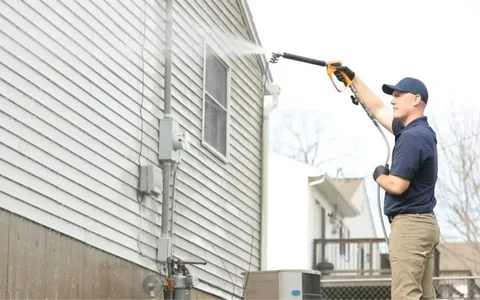
Vinyl siding, painted surfaces, wood siding, fiber cement, and other exterior materials may have different maintenance requirements. Pressure washing can sometimes be appropriate for specific siding materials when lower pressure and suitable techniques are used. However, excessive pressure can damage siding, loosen materials, remove paint, or force water behind exterior surfaces.
Removing Dirt from Exterior Walls
Exterior walls may accumulate dust, dirt, environmental residue, and visible stains over time. Appropriate exterior cleaning can help maintain the appearance of the building. Before cleaning siding, property owners should identify the material and review suitable cleaning methods.
Cleaning techniques should account for the condition of the siding, nearby windows, doors, electrical fixtures, and landscaping. In some situations, soft washing or other lower-pressure methods may be more appropriate than traditional pressure washing.
Protecting Exterior Materials
Exterior surfaces require maintenance methods that match their material and condition. Older siding, damaged paint, loose materials, and delicate finishes may be vulnerable to high-pressure water. Using appropriate pressure and cleaning techniques can help reduce the risk of damage.
Property owners should also avoid directing water toward gaps, vents, openings, and areas where water intrusion may occur. Careful preparation and proper cleaning methods are important when maintaining exterior walls.
Pressure Washing Decks and Fences
Decks and fences can experience substantial weather exposure throughout the year. Rain, dust, dirt, leaves, and moisture may affect their appearance, particularly when they are located outdoors and exposed to changing conditions. Maintaining these structures can help property owners manage their outdoor spaces.
Cleaning Wooden Decks
Wooden decks require careful cleaning because excessive pressure can damage wood fibres, create rough surfaces, or leave visible marks. Cleaning methods should be selected according to the wood type, condition, and existing finish.
Some wooden decks may benefit from lower-pressure cleaning or specialized products rather than aggressive pressure washing. Before cleaning, property owners should inspect the deck for loose boards, damaged materials, exposed nails, and other maintenance concerns.
After cleaning, certain decks may require additional maintenance, such as drying, staining, or sealing, depending on their condition and the type of wood. Cleaning alone does not provide a protective finish.
Maintaining Fence Surfaces
Fences can accumulate dust, dirt, environmental residue, and visible stains. Materials such as wood, vinyl, and metal may require different cleaning approaches. Pressure washing may be suitable for some fence materials when appropriate pressure and techniques are used.
Wooden fences require particular care because excessive water pressure can damage the surface. Vinyl fences may also require suitable cleaning methods to avoid unnecessary damage. Inspecting fence materials before cleaning can help determine the appropriate approach.
How Weather in Port Moody, BC, Affects Exterior Cleaning
Port Moody, BC, experiences changing weather conditions that can influence exterior property maintenance. Rainfall, moisture, outdoor debris, and seasonal conditions may contribute to dirt accumulating on driveways, walkways, patios, siding, and other exterior surfaces.
During rainy periods, outdoor areas may experience additional mud, moisture, and debris. Driveways and walkways near gardens or landscaping may require more attention because soil and outdoor material can be carried onto hard surfaces. Entryways and patio areas may also experience buildup during periods of frequent rainfall.
Property owners may plan exterior cleaning according to the condition of their surfaces, weather conditions, and outdoor maintenance schedules. Choosing suitable weather for cleaning can help surfaces dry more effectively and allow maintenance tasks to be completed more comfortably.
Preparing a Property for Pressure Washing
Preparing outdoor areas before pressure washing can help make the cleaning process more organized and reduce the risk of damage. Property owners should inspect the surfaces being cleaned, identify vulnerable materials, and remove objects that may interfere with the process.
Removing Outdoor Belongings
Outdoor furniture, planters, decorations, cushions, toys, and other belongings may need to be moved away from the cleaning area. Removing these objects can help provide better access to the surface and reduce the risk of water damage.
Property owners should also consider nearby windows, electrical fixtures, outdoor lighting, and other sensitive areas. Protecting vulnerable objects and identifying potential hazards before cleaning can help make exterior maintenance more manageable.
Inspecting Surfaces Before Cleaning
Before pressure washing, surfaces should be inspected for cracks, loose materials, damaged paint, deteriorating wood, and other visible conditions. These areas may require special attention or alternative cleaning methods.
Not every surface needs pressure washing, and some materials may be better maintained through brushing, lower-pressure washing, or specialized cleaning products. Selecting an appropriate method according to the surface can help avoid unnecessary damage.
Understanding Pressure Washing Safety
Pressure washing equipment can deliver water at considerable force, making safety an important consideration. Improper equipment use can cause injuries, damage property, and create hazards around outdoor spaces. Users should follow equipment instructions, wear suitable protective equipment, and maintain appropriate control over the spray.
Water should not be directed toward people, pets, electrical equipment, windows, or vulnerable surfaces. Pressure washing should also be performed carefully around ladders because the force of the water can affect balance and stability.
Choosing Appropriate Pressure and Equipment
Different surfaces require different pressure settings, nozzle types, and cleaning techniques. Using the highest available pressure is not necessarily the most effective or safest approach. Surface material, age, condition, and cleaning requirements should all be considered.
Some exterior surfaces may require specialized equipment or professional cleaning methods. Understanding the limitations of pressure washing can help property owners make better decisions about exterior maintenance.
Managing Water and Cleaning Products
Pressure washing may involve water runoff and, in certain situations, cleaning products. Property owners should consider where runoff will travel and whether nearby landscaping, drainage systems, or surrounding areas may be affected.
Cleaning products should be used according to their instructions and appropriate environmental considerations. Avoiding unnecessary chemical use and managing runoff responsibly can help make exterior cleaning more considerate of surrounding property and the environment.
When to Consider Professional Pressure Washing
Some exterior cleaning tasks can be managed with household equipment and basic cleaning methods, while others may require specialized tools or experience. Property owners may consider professional assistance when cleaning larger driveways, extensive exterior walls, difficult-to-access areas, delicate surfaces, or heavily accumulated dirt.
People searching for Pressure Washing Near Me may evaluate the size of the property, the types of surfaces that need cleaning, the condition of outdoor areas, and whether specialized equipment is necessary. Understanding the cleaning requirements before starting can help determine an appropriate approach.
Professional exterior cleaning may also be worth considering when safety concerns, surface damage risks, or equipment limitations make the task difficult to complete independently.
Pressure Washing for Residential and Commercial Properties
Exterior cleaning requirements can vary between residential and commercial properties. Residential properties may include driveways, patios, walkways, decks, fences, outdoor stairs, and siding. Commercial properties may have larger entrances, sidewalks, parking areas, exterior walls, and other frequently used outdoor spaces.
Businesses may need to maintain exterior surfaces to support the overall appearance of their premises. Residential property owners may focus on outdoor living areas, entrances, and surfaces around their homes. In both situations, understanding the material being cleaned and selecting appropriate methods can help maintain outdoor spaces.
Regular exterior maintenance can help property owners identify cleaning needs and develop practical schedules based on usage, environmental exposure, and surface condition.
Conclusion
Pressure washing can be an important part of exterior property maintenance when suitable surfaces and appropriate cleaning methods are used. Driveways, patios, sidewalks, outdoor steps, fences, and certain siding materials may benefit from cleaning to remove accumulated dirt, debris, and visible buildup. However, different surfaces require different techniques, and excessive pressure can cause unnecessary damage.
For property owners in Port Moody, BC, understanding exterior cleaning requirements can help make outdoor maintenance more organized throughout the year. By inspecting surfaces, preparing outdoor areas, selecting appropriate equipment, and considering weather conditions, homeowners and businesses can better maintain their exterior spaces and preserve the appearance of their properties.