






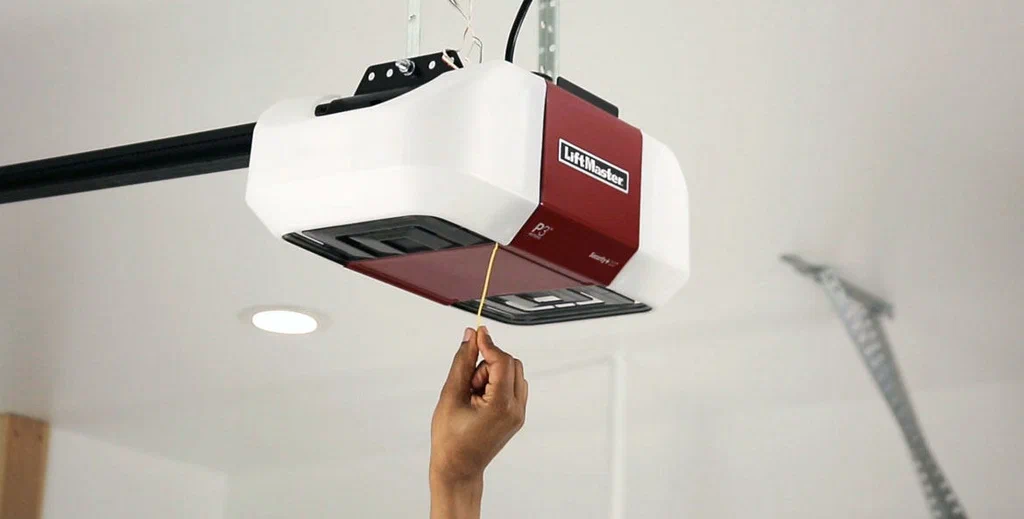
A garage door opener should provide consistent movement whenever the door is activated. When the system begins responding slowly, stopping unexpectedly, or producing unusual sounds, it may indicate a developing problem. These issues can originate in the motor, electrical system, drive mechanism, or garage door itself. Understanding basic troubleshooting methods helps homeowners identify possible causes without attempting unsafe repairs. In situations involving internal damage or electrical faults, garage door opener motor repair requires proper inspection and technical knowledge.
Why Garage Door Openers Lose Performance
Garage door openers operate through a combination of electrical and mechanical processes. The motor generates movement, while the drive mechanism transfers that movement to the door.
Over time, normal wear, poor maintenance, electrical interruptions, and mechanical resistance can affect performance.
A motor that repeatedly struggles to complete an operating cycle may be responding to a problem elsewhere in the system. Therefore, identifying the original cause is more important than immediately replacing the opener.
Troubleshooting Common Operating Problems
The Garage Door Does Not Respond
When pressing the remote or wall button produces no response, begin by checking the basic power supply.
Make sure the opener is connected to a working electrical outlet. Check whether the circuit breaker has tripped and examine the remote batteries.
If the wall control and remote both fail, the issue may involve the power connection, internal wiring, circuit board, or motor.
Do not remove the opener cover to investigate electrical components unless you are qualified to perform the work.
The Motor Runs but the Door Stays Closed
This problem often indicates that the motor is operating but movement is not reaching the garage door.
Possible causes include a damaged drive gear, disconnected trolley, broken belt, or chain problem.
The emergency release may also have been activated. Homeowners can visually inspect the external mechanism, but damaged drive components should be handled by a technician.
The Door Opens but Will Not Close
A garage door that opens normally but refuses to close may have a safety sensor problem.
Photoelectric sensors create an invisible beam across the doorway. If the beam is interrupted or the sensors become misaligned, the opener may prevent the door from closing.
Check for objects blocking the sensors and gently clean their lenses. If the indicator lights suggest misalignment or the problem continues, arrange an inspection.
The Door Reverses During Closing
Unexpected reversing may occur because the opener detects resistance or receives an interruption signal from its safety system.
Possible causes include dirty tracks, damaged rollers, incorrect travel settings, and sensor problems.
The door should not be forced through repeated operating cycles. A technician can determine whether the issue involves the door mechanism or opener settings.
Understanding Motor-Related Electrical Problems
Electrical faults can create symptoms that resemble mechanical failure.
A damaged connection may interrupt power delivery, while a defective circuit board may prevent the motor from receiving the correct operating commands.
Power surges can also affect electronic components.
When the opener produces no response, operates intermittently, or shuts down unexpectedly, a professional electrical inspection can help identify the problem.
How Mechanical Resistance Affects Motor Performance
The opener motor is designed to move a properly functioning garage door, not to overcome every mechanical obstruction.
Bent tracks, damaged rollers, worn hinges, and poor spring balance can increase resistance.
This extra workload can contribute to overheating and premature motor wear.
A garage door that suddenly feels heavy or moves unevenly should be inspected. Spring systems contain stored energy and should not be adjusted as a DIY troubleshooting step.
When to Arrange Professional Repair
Some problems are easy to identify through external inspection, but others require specialized testing.
Professional assistance is appropriate when the opener repeatedly stops, produces grinding sounds, smells burnt, or fails to lift the door.
A technician can inspect the motor, drive assembly, circuit board, sensors, and door balance. This detailed process helps determine whether individual components can be repaired or whether a replacement is more suitable.
Maintenance Practices for Better Performance
Regular maintenance can help reduce the likelihood of unexpected operating problems.
Homeowners should keep the garage area clean and remove objects that may obstruct the door. Sensor lenses should remain free from dirt, and visible mounting hardware should be checked for obvious looseness or damage.
The manufacturer’s maintenance instructions should guide lubrication and safety testing.
A record of recurring problems can also help a technician identify patterns, particularly when the opener fails only during certain conditions.
The Importance of Testing After Repairs
Completing a repair is only one part of restoring the garage door system.
The opener should be tested to confirm that it responds correctly to its controls and completes normal opening and closing cycles.
Safety sensors and automatic reversal features should also be checked according to manufacturer instructions.
These checks help confirm that the repair has not affected essential safety functions.
Conclusion
Garage door opener performance problems can result from electrical faults, mechanical resistance, worn drive components, or safety sensor interruptions. Identifying the correct cause helps prevent unnecessary replacement and repeated breakdowns. First Garage door opener motor repair should involve systematic troubleshooting, appropriate component replacement, and final safety testing to support consistent and dependable operation.