








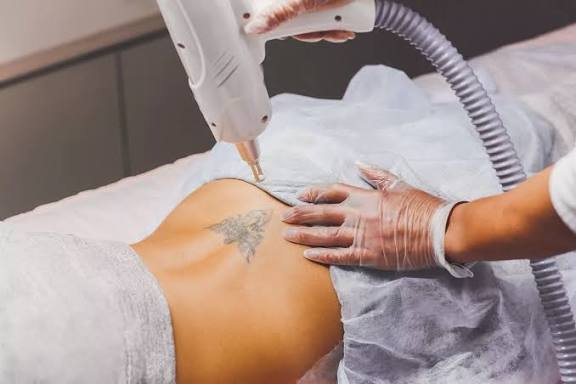
Tattoos can be a meaningful form of personal expression, but preferences and circumstances can change over time. A design that once represented an important memory, personal interest, or lifestyle choice may no longer reflect an individual’s current preferences. As a result, many people explore professional tattoo removal options to achieve a clearer skin appearance. Laser Tattoo Removal Abu Dhabi is an increasingly considered aesthetic treatment for individuals who want to fade or remove unwanted tattoo ink without undergoing surgical removal.
Laser technology offers a targeted approach that works by breaking down tattoo pigment into smaller particles. The body’s natural processes gradually eliminate these particles over time, allowing the tattoo to become lighter with successive treatment sessions. Understanding how the procedure works, which tattoos can be treated, and what results to expect can help individuals decide whether this approach suits their needs.
Understanding Laser Tattoo Removal
Laser tattoo removal is a non-surgical aesthetic procedure designed to reduce the appearance of unwanted tattoo ink. Tattoos are created when pigment particles are deposited beneath the skin’s surface. Because these particles are relatively large, the body’s natural processes cannot easily eliminate them.
Laser technology addresses this challenge by delivering controlled pulses of light energy into the tattooed area. The pigment absorbs the energy, causing the ink particles to break into smaller fragments. The body’s immune system then gradually processes and removes these fragments.
Different laser technologies and wavelengths may be used depending on the tattoo’s characteristics. The selected approach depends on factors such as ink color, pigment depth, tattoo size, and skin type.
How Does Laser Tattoo Removal Work?
The treatment works through a process known as selective photothermolysis. During the procedure, laser energy is directed toward the tattoo pigment without intentionally targeting the surrounding skin.
Different ink colors absorb different wavelengths of light. For this reason, selecting an appropriate laser wavelength is important for treating different tattoo colors.
Once the laser energy reaches the pigment, it breaks the ink into smaller particles. These particles are gradually transported and processed by the body’s natural immune and lymphatic systems.
Since this process takes time, tattoo removal generally requires multiple sessions. Each session helps reduce the visibility of the remaining pigment, allowing the tattoo to become progressively lighter.
Why Is Laser Tattoo Removal Worth Considering?
One of the main reasons people consider laser tattoo removal is its ability to target unwanted ink without surgical intervention. The treatment focuses on tattoo pigment and allows the body to gradually clear the fragmented particles.
Another important advantage is its adaptability. Different tattoo characteristics can be evaluated to determine the most appropriate treatment approach. Whether someone wants to fade a small design or address a larger tattoo, the treatment plan can be adjusted according to individual requirements.
Laser technology also offers flexibility when complete removal is not the primary objective. Some individuals prefer to lighten an existing tattoo before covering it with a different design. In these situations, laser treatment may help create a lighter foundation for a future tattoo.
Can Laser Tattoo Removal Treat Different Tattoo Colors?
Tattoo ink comes in several colors, and each pigment responds differently to laser energy. Black and dark blue inks generally absorb laser energy more readily, making them comparatively responsive to treatment.
Red, orange, green, and other colored pigments may require different laser wavelengths. Certain colors can be more challenging to remove because their pigment composition affects how they absorb light.
Professional assessment helps identify the tattoo colors and determine which laser technology may be appropriate. The number of sessions can also vary depending on the combination of pigments used in the design.
What Types of Tattoos Can Be Treated?
Laser tattoo removal may be suitable for several types of tattoos, depending on their characteristics and the available technology.
Professional Tattoos
Professional tattoos often contain concentrated pigment distributed at relatively consistent depths. Their removal depends on ink composition, density, color, and tattoo size.
Amateur Tattoos
Amateur tattoos may contain uneven pigment distribution and different ink depths. These characteristics can influence how the tattoo responds to laser treatment.
Old and Faded Tattoos
Older tattoos may already have experienced some natural fading. Laser treatment can help further reduce the visibility of remaining pigment, although results depend on the original ink and its current condition.
Colored Tattoos
Multicolored tattoos may require different laser wavelengths to address individual pigments. The treatment approach is selected according to the colors present in the design.
Small and Large Tattoos
Both small and large tattoos can be evaluated for treatment. Smaller designs may require less treatment time per session, while larger designs may need a more extensive treatment plan.
What Happens During a Laser Tattoo Removal Session?
The process generally begins with a consultation and assessment of the tattoo. The practitioner examines its size, location, colors, age, and pigment density before determining an appropriate treatment approach.
The skin is prepared, and suitable protective eyewear is provided. Depending on the laser system and individual requirements, additional comfort measures may be considered.
The laser device is then directed toward the tattooed area, delivering controlled energy pulses to the pigment. The duration of the session depends on the size and complexity of the design.
After the procedure, appropriate aftercare guidance is provided. Following these instructions helps support the skin’s recovery and prepares the area for future sessions.
How Many Sessions Are Needed for Tattoo Removal?
Complete tattoo removal rarely happens in a single session. The number of treatments depends on several factors, including the tattoo’s age, size, ink colors, pigment depth, and density.
Dark professional tattoos may respond differently from colorful or densely layered designs. Tattoos containing multiple pigment colors may also require a more specialized approach.
Sessions are generally spaced several weeks apart to allow the body sufficient time to process fragmented ink particles and for the skin to recover.
A professional evaluation helps establish a realistic treatment schedule based on the tattoo’s individual characteristics.
Can Laser Tattoo Removal Improve Skin Appearance?
The primary objective of laser tattoo removal is to reduce unwanted tattoo pigment. As the ink gradually fades, the original tattoo design becomes less noticeable, allowing more of the natural skin tone to become visible.
The final appearance depends on several factors, including the original tattoo, pigment characteristics, skin type, and treatment response.
Some tattoos may fade substantially, while others may leave traces of pigment. Complete removal cannot be guaranteed in every case. Understanding these possibilities helps individuals develop realistic expectations before starting treatment.
Is Laser Tattoo Removal Suitable for Everyone?
Laser tattoo removal may be appropriate for many individuals, but suitability depends on personal skin characteristics and the tattoo itself.
During an assessment, the practitioner considers the individual’s skin type, medical history, tattoo location, and previous treatment experience. Certain skin conditions, recent tanning, and specific pigment characteristics may influence the recommended approach.
Individuals should also discuss their expectations, especially if they want complete removal or are preparing for a cover-up tattoo. A personalized evaluation helps determine whether laser treatment is an appropriate option.
What Makes Laser Tattoo Removal Abu Dhabi a Popular Choice?
Laser Tattoo Removal Abu Dhabi offers an approach for individuals seeking professional solutions for unwanted tattoos. Modern laser technology allows treatment to be tailored according to different pigment colors, tattoo sizes, and individual skin characteristics.
The non-surgical nature of the procedure, its targeted approach, and the possibility of gradual pigment reduction make it an option worth exploring.
For individuals who no longer connect with an existing tattoo, the treatment may provide an opportunity to change their appearance according to their current preferences. Whether the goal is substantial fading or preparing the skin for a new design, understanding the available options is an important first step.
Conclusion
Choosing to remove a tattoo is a personal decision that may be influenced by changing preferences, professional requirements, or a desire for a different appearance. Laser technology provides a non-surgical approach to reducing unwanted tattoo pigment through controlled energy pulses and the body’s natural elimination processes.
Laser Tattoo Removal Abu Dhabi is worth considering for individuals looking for a targeted method of tattoo fading or removal. By evaluating tattoo characteristics, selecting appropriate laser technology, and following a personalized treatment plan, individuals can work toward their desired results. Professional assessment and realistic expectations remain essential throughout the process.
FAQs
Is Laser Tattoo Removal Abu Dhabi Effective for Old Tattoos?
Yes, laser treatment can help reduce the appearance of old tattoos. The outcome depends on the remaining pigment, ink composition, tattoo depth, and individual response.
Can Laser Tattoo Removal Remove a Tattoo Completely?
Some tattoos can be removed substantially, while others may leave faint traces of pigment. Complete removal depends on several factors and cannot be guaranteed.
How Long Does Laser Tattoo Removal Take?
Individual sessions may take several minutes or longer, depending on tattoo size and complexity. The complete removal process usually requires multiple sessions spread over several months.
Does Laser Tattoo Removal Work on Colored Tattoos?
Yes, certain laser systems can target different tattoo colors. However, some pigments respond more readily than others, and multiple wavelengths may be necessary.
Is Laser Tattoo Removal Suitable for Small Tattoos?
Yes, small tattoos can be assessed for laser treatment. The appropriate approach depends on their pigment characteristics, location, and depth.
Can Laser Tattoo Removal Help Fade a Tattoo for a Cover-Up?
Yes, laser treatment may help lighten an existing tattoo before a new design is applied. This can provide greater flexibility when planning a cover-up.
How Many Sessions Are Required for Tattoo Removal?
The number of sessions varies according to tattoo size, ink color, pigment density, and skin characteristics. A personalized assessment helps estimate the required treatment course.
Does Laser Tattoo Removal Work on Black Ink?
Black ink generally responds well to laser treatment because it absorbs a broad range of laser wavelengths. Individual results still depend on pigment depth and density.
What Happens Between Laser Tattoo Removal Sessions?
The body gradually processes the fragmented ink particles between sessions. Treatment intervals allow time for this natural process and skin recovery.
Who Is a Suitable Candidate for Laser Tattoo Removal?
Individuals with unwanted tattoos who meet the relevant skin and health suitability requirements may be candidates. A professional consultation is necessary to evaluate individual circumstances and establish an appropriate treatment plan.