




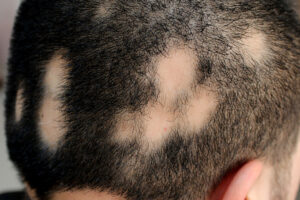


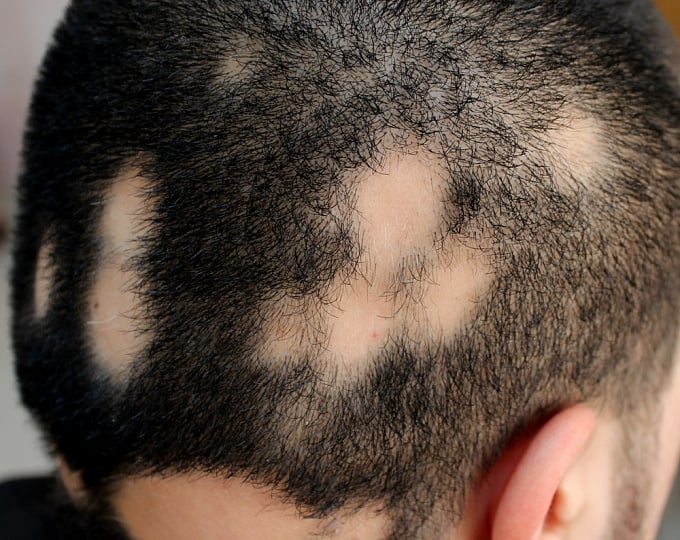
Alopecia areata in Islamabad is an autoimmune condition that causes hair loss, usually appearing as small, round or oval bald patches on the scalp. It develops when the immune system mistakenly attacks hair follicles, interrupting the normal hair growth cycle. Although it does not usually cause permanent damage to hair follicles, the condition can affect confidence, appearance, and emotional well-being.
People experiencing unexplained bald patches often look for professional guidance to understand the underlying cause and explore suitable treatment options. Choosing an experienced clinic is an important part of this journey because hair loss conditions require proper assessment rather than a one-size-fits-all approach.
When considering alopecia areata in Islamabad, patients should look for a clinic that prioritizes individual needs, explains available options, and provides realistic expectations about treatment outcomes.
Why Professional Care Matters for Alopecia Areata
Alopecia areata can develop differently in every individual. Some people experience one or two small bald patches, while others may notice extensive hair loss involving the scalp or other body areas.
Professional assessment helps determine the extent of hair loss and whether the symptoms are consistent with alopecia areata or another hair condition.
Important reasons to seek professional guidance include:
- Accurate assessment: Identifying the pattern and severity of hair loss.
- Understanding possible triggers: Discussing family history, autoimmune conditions, and other relevant factors.
- Personalized treatment planning: Exploring options according to the patient’s condition.
- Monitoring hair regrowth: Observing changes and adjusting the management approach when necessary.
- Preventing unsuitable treatments: Avoiding products or procedures that may not address the actual cause of hair loss.
A dermatologist may diagnose alopecia areata through a scalp examination, medical history, dermoscopy, or selected laboratory investigations when required.
What Makes a Clinic Worth Considering for Alopecia Areata?
Selecting a suitable clinic involves more than comparing treatment prices or promotional offers. Patients should consider the professional experience, consultation process, treatment transparency, and follow-up arrangements.
Here are some important factors to evaluate:
Experienced Professionals
Hair loss conditions require an understanding of scalp health, hair growth cycles, and different causes of alopecia. Patients should check the qualifications and relevant experience of the healthcare professional responsible for their assessment and treatment.
Individualized Consultation
Every patient has a different hair loss pattern. A proper consultation should consider:
- The number and size of bald patches.
- How long the hair loss has been present.
- Previous hair loss episodes.
- Family and medical history.
- Any associated scalp symptoms.
- Previous treatments and their results.
Transparent Treatment Information
A trustworthy clinic should explain the purpose, possible benefits, limitations, side effects, and expected timeline of recommended treatments. Patients should also understand that alopecia areata can sometimes improve naturally, while recurrence is possible.
Follow-Up and Progress Monitoring
Hair regrowth takes time. Regular follow-ups can help assess changes, identify new patches, and determine whether the treatment plan needs modification.
Treatment Options for Alopecia Areata
There is no single treatment suitable for every person with alopecia areata. The choice depends on the severity, affected area, age, medical history, and response to previous treatments.
Common medical management options include:
- Corticosteroid treatments: Dermatologists may recommend topical or injectable corticosteroids for selected cases to reduce inflammation around affected hair follicles.
- Topical medications: Certain prescribed medications may help support hair regrowth in appropriate patients.
- Minoxidil: Sometimes recommended as an additional treatment to support hair growth, depending on the individual’s condition.
- JAK inhibitors: Selected prescription medicines may be considered for severe alopecia areata under specialist supervision.
- Observation and monitoring: Small patches may sometimes regrow hair without active medical treatment.
It is important to understand that hair transplant surgery is generally not an appropriate treatment for active alopecia areata because the autoimmune process can affect transplanted follicles too.
Patients should avoid self-medication and consult a qualified dermatologist before starting any hair loss treatment.
Why Choose SKN Cosmetics for Alopecia Areata in Islamabad?
Choosing a clinic for a hair-related concern requires attention to consultation quality, patient education, and suitable treatment recommendations. SKN Cosmetics in Islamabad is an option patients can consider when exploring professional hair and cosmetic care services.
Before proceeding with any treatment, patients should discuss their hair loss concerns with the clinic and confirm whether an appropriately qualified professional is available to assess alopecia areata.
Some important considerations when evaluating SKN Cosmetics include:
- Patient-focused consultation: Understanding individual concerns and discussing the history of hair loss.
- Treatment guidance: Learning about suitable options based on the patient’s hair and scalp condition.
- Clear communication: Receiving information about expected results, possible limitations, and treatment costs.
- Personalized recommendations: Avoiding unnecessary procedures and focusing on the actual cause of hair loss.
- Ongoing guidance: Understanding the importance of monitoring progress and seeking further medical assessment when needed.
Patients should confirm the availability of a qualified dermatologist or relevant specialist for diagnosing and managing autoimmune hair loss. This is particularly important when bald patches are spreading or recurring.
How to Prepare for Your Alopecia Areata Consultation
Preparing for an appointment can make the consultation more productive. Patients should collect relevant information about their hair loss before visiting a clinic.
Consider following these steps:
- Take clear photographs of affected scalp areas to track changes over time.
- Note when the first bald patch appeared.
- Mention any previous hair loss treatments.
- Share relevant medical history and current medications.
- Ask about the benefits and risks of recommended treatments.
- Discuss the expected timeline for visible improvement.
These details can help the healthcare professional understand the condition and recommend an appropriate next step.
When Should You Seek Professional Advice?
Early assessment can help identify the type of hair loss and prevent confusion with other scalp conditions. Consider arranging a consultation if you notice:
- Sudden, round bald patches.
- Multiple areas of unexplained hair loss.
- Eyebrow or eyelash hair loss.
- Repeated episodes of patchy hair loss.
- Changes in nail texture, such as small dents or roughness.
- Rapidly expanding areas of hair loss.
A timely assessment is especially important when hair loss progresses quickly or affects several areas of the body.
Final Thoughts
Alopecia areata can be an emotionally challenging condition, but understanding its causes and available management options is an important first step. Choosing a suitable clinic means prioritizing professional assessment, transparent communication, and realistic treatment planning rather than relying on guaranteed hair regrowth promises.
For individuals exploring alopecia areata in Islamabad, SKN Cosmetics is worth considering as part of their search for professional hair care guidance. Discussing your symptoms, understanding the available options, and confirming the qualifications of the treating specialist can help you make a more informed decision about your hair health.
Frequently Asked Questions (FAQs)
Q1. What is alopecia areata?
Alopecia areata is an autoimmune condition that causes sudden hair loss in round or oval patches.
Q2. Can alopecia areata hair grow back?
Yes, hair can regrow naturally or with treatment, although recurrence is possible.
Q3. Is alopecia areata permanent?
Not always. Many people experience regrowth, but some develop recurring or extensive hair loss.
Q4. Which doctor treats alopecia areata?
A qualified dermatologist is generally the appropriate specialist for diagnosing and managing this condition.
Q5. Is hair transplant suitable for alopecia areata?
Generally, no. Hair transplantation is usually unsuitable for active alopecia areata because the autoimmune condition can affect transplanted follicles.