






A bathtub is an important bathroom feature that should provide comfort and dependable performance for years. While appearance and price often influence buying decisions, durability and maintenance are equally important. Choosing the wrong material may lead to scratches, fading, expensive repairs, or early replacement.
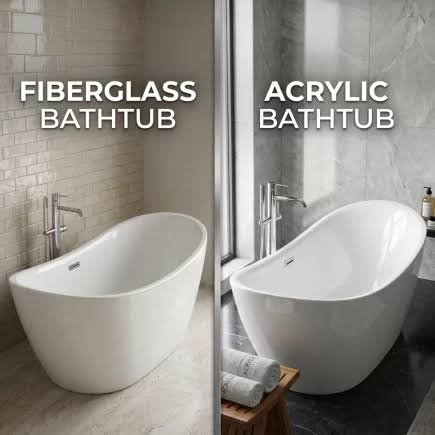
When comparing fiberglass tub vs acrylic options, it helps to understand how each material handles everyday use. Both are widely available and suitable for different bathroom styles, but their construction and surface qualities affect how they perform over time.
How Are Fiberglass and Acrylic Bathtubs Made?
Before comparing their performance, it is useful to understand how these materials are manufactured. Their construction explains many of the differences in weight, surface quality, and resistance to damage.
Fiberglass Construction
Fiberglass bathtubs are made using layers of fiberglass reinforcement combined with resin. These materials are shaped into a bathtub and finished with a protective gel coating.
The result is a lightweight product that can be manufactured at a relatively low cost. However, the surface coating plays a major role in protecting the tub from everyday wear.
Acrylic Construction
Acrylic bathtubs begin with sheets of acrylic that are heated and molded into the desired shape. Manufacturers commonly add fiberglass reinforcement to improve strength and stability.
This construction creates a smooth surface with a more consistent finish. The quality of the reinforcement and the thickness of the acrylic can influence how well the bathtub performs.
Fiberglass Tub vs Acrylic: Which Lasts Longer?
A bathtub’s lifespan depends on its material, construction, installation, and maintenance. A high-quality product that receives proper care can last much longer than a cheaper model that is poorly installed.
Resistance to Scratches
Fiberglass surfaces can scratch relatively easily, especially when cleaned with abrasive materials. Over time, these marks may affect the bathtub’s appearance and make cleaning more difficult.
Acrylic is generally more resistant to everyday surface wear. However, sharp objects and rough cleaning tools can still damage it. Using a soft sponge and suitable cleaning products helps protect both materials.
Resistance to Cracks
Both bathtub materials can develop cracks if they receive excessive pressure or lack proper support. Fiberglass may be more vulnerable to surface damage and cracking when its construction is thin or poorly reinforced.
Acrylic tubs with strong reinforcement can offer dependable structural performance. Still, buyers should inspect the product’s construction rather than assuming every acrylic model is equally durable.
Color Fading and Surface Wear
Fiberglass tubs may lose their original shine as the protective gel coating wears down. Exposure to unsuitable cleaning products can speed up this process.
Acrylic generally maintains its appearance well when cared for properly. Its smooth surface also makes ordinary dirt and soap residue easier to remove.
Daily Cleaning and Maintenance
Regular cleaning is necessary to keep a bathtub hygienic and attractive. Fortunately, both fiberglass and acrylic can be maintained with simple cleaning habits.
Cleaning Fiberglass Bathtubs
Use warm water, mild soap, and a soft cloth to remove everyday dirt. Avoid steel wool, rough brushes, and strong abrasive powders because they may damage the protective coating.
It is also helpful to rinse the tub after each use. This reduces soap residue and helps prevent stains from becoming difficult to remove.
Cleaning Acrylic Bathtubs
Acrylic tubs also benefit from gentle cleaning methods. A non-abrasive bathroom cleaner or mild dish soap is usually suitable, provided it follows the manufacturer’s recommendations.
Avoid products containing harsh chemicals that may damage the surface. If you are unsure about a cleaning product, test it according to the manufacturer’s guidance before using it on the entire bathtub.
Heat Retention and Bathing Comfort
Comfort is another important part of bathtub performance. Nobody wants to spend time preparing a relaxing bath only to have the water become cold too quickly.
Acrylic generally offers better heat retention than basic fiberglass. This can make it a more comfortable option for people who enjoy longer baths.
Fiberglass may lose heat faster, although insulation, water temperature, bathtub thickness, and bathroom conditions also affect the experience. These factors should be considered when comparing individual products.
Repair and Replacement Costs
Even a well-maintained bathtub can develop damage over time. Understanding repair options can help you avoid unnecessary replacement expenses.
Fiberglass Repair Options
Minor fiberglass scratches and chips can often be repaired using suitable refinishing products. Small cracks may also be repairable with specialized fiberglass kits.
However, extensive cracking or damage to the supporting structure can become expensive. In such cases, replacing the bathtub may be more practical than continuing to repair it.
Acrylic Repair Options
Acrylic scratches and small surface imperfections can sometimes be corrected using acrylic repair kits. The process usually involves cleaning and treating the affected area.
Deep cracks and structural damage may require professional repair. Always choose products designed for acrylic rather than general-purpose repair materials.
Installation Quality Matters
Material selection is only one part of a successful bathtub installation. Even a durable bathtub can fail if the base is uneven or the supporting structure is inadequate.
Professional installation helps ensure that the tub is level and properly supported. Plumbers should also check drainage connections, water supply fittings, and waterproofing around the bathtub.
Proper Support and Weight Distribution
Fiberglass and acrylic bathtubs need stable support beneath their bases. Uneven weight distribution can create pressure points that increase the risk of cracks.
Follow the manufacturer’s installation instructions carefully. The correct support system depends on the bathtub’s design and construction.
Preventing Water Damage
Poor sealing can allow water to enter walls and floors around the bathtub. This may lead to mold, damaged surfaces, and costly repairs.
Use suitable waterproofing materials around the installation area. Regularly inspect seals and replace damaged caulking when needed.
Which Material Is Better for Busy Households?
Families that use their bathtub frequently should focus on durability and easy maintenance. Everyday use can expose the surface to soap, cleaning products, toys, and repeated contact.
Acrylic is often a practical choice because of its smooth finish and generally better resistance to everyday surface wear. Its heat retention also adds comfort for regular bathing.
Fiberglass can still work well in households with lighter usage or limited renovation budgets. The key is selecting a well-made product and following appropriate care instructions.
Important Factors to Check Before Buying
Do not select a bathtub based on material alone. Different manufacturers use different production methods, thicknesses, reinforcement systems, and finishing techniques.
Compare the following details before purchasing:
- Material thickness and overall construction.
- Quality of the supporting reinforcement.
- Surface finish and scratch resistance.
- Manufacturer warranty and service support.
- Installation requirements and compatibility.
- Cleaning and maintenance recommendations.
These details provide a better understanding of the product’s expected performance. They can also help you avoid paying more for a bathtub that does not meet your needs.
Conclusion
The fiberglass tub vs acrylic comparison shows that both materials have practical advantages. Fiberglass offers an affordable and lightweight solution, while acrylic generally provides better heat retention, surface quality, and resistance to everyday wear.
For households that want easier maintenance and a comfortable bathing experience, acrylic may be the better investment. Fiberglass remains a reasonable option for budget-conscious renovations and bathrooms with lighter use.
Whichever material you choose, proper installation and regular maintenance will help protect your investment and keep your bathroom looking its best.