







Introduction
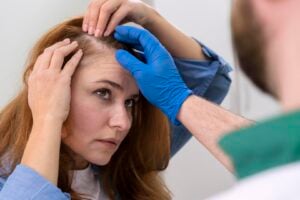
Healthy hair is often associated with confidence, appearance, and overall personal well-being. However, hair loss is a common concern that can affect people of different ages and backgrounds. Factors such as genetics, hormonal changes, nutritional deficiencies, stress, aging, and scalp conditions may contribute to thinning hair and reduced hair density. Understanding these factors is an important step toward maintaining healthier hair over time. Hair loss treatment in Abu Dhabi focuses on identifying individual hair concerns and supporting long-term hair health through suitable treatment approaches. Rather than addressing only visible thinning, a comprehensive approach considers scalp condition, hair growth patterns, follicle health, and factors that influence the natural hair growth cycle.
Understanding the Causes of Hair Loss
Hair loss can develop gradually or become noticeable over a relatively short period. Some individuals experience thinning around the crown, while others notice changes along the hairline or throughout the scalp. The underlying causes can vary considerably, making it important to understand the factors contributing to each person’s hair concerns.
Genetics is one of the common reasons for progressive hair thinning. Hormonal fluctuations can also influence hair follicles and affect the natural growth cycle. Nutritional deficiencies may interfere with the processes required for healthy hair development, while certain scalp conditions can affect the environment in which hair grows.
Lifestyle factors, including prolonged stress and changes in general health, may also contribute to increased hair shedding. Identifying these influences helps establish a more suitable approach to maintaining hair health over the long term.
How Hair Loss Treatment Supports Healthy Hair Growth
Hair loss treatment aims to address specific concerns associated with thinning, shedding, and changes in hair density. Different approaches may focus on supporting existing follicles, improving scalp conditions, or encouraging healthier growth patterns.
The suitability of a treatment depends on the cause and extent of hair loss. Some individuals may benefit from approaches designed to support follicular activity, while others may require attention to underlying scalp or health-related concerns.
A well-planned treatment approach considers both current hair conditions and future hair health goals. This helps create a more consistent strategy rather than focusing exclusively on immediate cosmetic improvements.
Supporting Hair Follicle Health
Hair follicles play an essential role in producing and maintaining healthy hair. Each follicle follows a natural growth cycle involving active growth, transition, and resting phases. Changes in this cycle can contribute to increased shedding or reduced hair density.
Certain treatment approaches aim to support the function of existing follicles and create conditions that encourage healthier hair growth. Maintaining follicular health is particularly important for individuals experiencing early signs of thinning.
When treatment is selected according to individual needs, it may help support the appearance of stronger, fuller-looking hair. Regular assessment also helps monitor changes in hair density and understand how the scalp responds over time.
The Importance of Maintaining a Healthy Scalp
The scalp provides the environment in which hair follicles function. Its condition can influence hair growth, comfort, and overall hair quality. Excess oil, dryness, irritation, and certain scalp conditions may affect this environment.
Hair loss treatment may include approaches that focus on scalp health alongside other hair restoration goals. Assessing the scalp helps identify concerns that could be contributing to changes in hair growth.
A balanced scalp environment supports the natural functioning of hair follicles. This makes scalp assessment an important part of a long-term hair health strategy.
Encouraging Stronger and Fuller-Looking Hair
Hair thinning can affect the overall appearance of the scalp, particularly when individual strands become finer or hair density decreases. Suitable treatment approaches may help improve the appearance of existing hair and support healthier growth patterns.
The expected outcome depends on several factors, including the underlying cause of hair loss, follicle condition, treatment suitability, and individual response. Some people may notice gradual changes in hair thickness, while others may focus on maintaining their existing hair density.
It is important to understand that hair growth takes time. Since hair follicles follow natural growth cycles, improvements generally require consistent monitoring and realistic expectations.
The Role of Early Attention in Long-Term Hair Health
Recognizing hair loss at an early stage can help individuals understand their concerns before thinning becomes more noticeable. Early assessment provides an opportunity to identify contributing factors and consider suitable treatment options.
When hair loss is associated with progressive follicular changes, timely attention may help preserve existing hair where possible. It can also provide a clearer understanding of whether the condition is temporary, ongoing, or related to an underlying health concern.
Taking an informed approach allows individuals to make decisions based on their specific hair conditions rather than relying on general assumptions.
Personalized Treatment Approaches for Different Hair Concerns
Hair loss does not affect everyone in the same way. Some individuals experience gradual thinning, while others notice excessive shedding or changes in particular areas of the scalp. These differences mean that treatment approaches should be selected according to individual requirements.
A personalized assessment generally considers hair density, scalp condition, medical background, family history, and the pattern of hair loss. These details help determine which approaches may be appropriate.
Personalized planning also makes it easier to establish realistic goals. For some individuals, the priority may be maintaining existing hair, while others may wish to improve the appearance of thinning areas.
Maintaining Consistency for Better Results
Consistency is an important part of supporting long-term hair health. Hair growth is a gradual biological process, and changes in hair density may take several months to become noticeable.
Following an appropriate treatment schedule and attending recommended assessments can help monitor progress. Regular evaluations also provide an opportunity to review treatment suitability as hair conditions change.
It is equally important to understand that results differ between individuals. A consistent approach combined with realistic expectations can help support better-informed decisions throughout the hair care journey.
How Hair Loss Treatment Contributes to Confidence
Hair appearance can influence how individuals feel about their overall presentation. Noticeable thinning or changes in hair density may affect personal confidence and create concerns about appearance.
By addressing individual hair concerns, suitable treatment approaches may help improve the appearance of hair over time. Understanding available options can also provide reassurance and help individuals feel more informed about their choices.
Long-term hair health is not limited to appearance alone. It also involves understanding scalp conditions, maintaining realistic expectations, and recognizing changes in the natural hair growth cycle.
Conclusion
Hair loss treatment can play an important role in supporting long-term hair health by addressing contributing factors, supporting existing follicles, and improving the condition of the scalp. A personalized approach helps identify individual concerns and establish suitable hair restoration goals. Early assessment, consistent treatment planning, and regular progress monitoring are important considerations throughout the process. Although hair growth and treatment responses vary, focusing on follicular health and scalp conditions can support a more informed approach to maintaining healthier-looking hair over time.
Frequently Asked Questions
What is the main purpose of hair loss treatment?
The main purpose is to address individual hair loss concerns, support existing follicles, and improve the overall appearance and condition of the hair.
Can hair loss treatment support long-term hair health?
Yes, suitable treatment approaches may help maintain existing hair, support follicular health, and address factors contributing to thinning over time.
Why is early attention important for hair loss?
Early attention helps identify potential causes and provides an opportunity to consider suitable approaches before certain patterns of hair thinning progress.
Does scalp health influence hair growth?
Yes, scalp condition plays an important role in supporting healthy follicles and creating an appropriate environment for natural hair growth.
How long does it take to notice improvements from hair loss treatment?
The timeframe varies according to the treatment approach, underlying cause, and individual response. Hair growth is gradual, so noticeable changes may require several months.
Is hair loss treatment suitable for different types of hair thinning?
Different treatment approaches may address different patterns of hair loss. An individual assessment helps determine which options are appropriate for specific hair concerns.
Why is consistency important during hair loss treatment?
Consistency helps maintain an organized treatment approach and allows progress to be evaluated over time. Regular monitoring also helps determine whether the selected approach continues to meet individual needs.
Can hair loss treatment improve hair density?
Some approaches may improve the appearance of hair density by supporting existing follicles and healthier growth patterns. Results depend on the underlying condition and individual response.